
Chapter 6: Citizenship
Overview
- Citizenship implies full and equal membership of a political community.
- Examines debates and struggles over the interpretation of “full and equal membership,” the relationship between citizens and the nation, criteria of citizenship across countries, universal citizenship, statelessness, and global citizenship.
6.1 INTRODUCTION
- Definition and Core Features:
- Citizenship is defined as full and equal membership of a political community.
- Modern states provide a collective political identity and specific rights to their members.
- Citizens expect rights from their state along with protection and assistance when traveling abroad.
- Equality of rights and status is a fundamental right of citizenship.
- Rights Granted:
- Political rights (such as the right to vote), civil rights (such as freedom of speech or belief), and socio-economic rights (such as the right to a minimum wage or education).
- Statelessness and Refugees:
- Refugees and illegal migrants denied state membership live in precarious conditions without guaranteed rights.
- Examples include Palestinian refugees in the Middle East struggling for full membership.
- Historical Struggles:
- Rights were won through historic struggles against powerful monarchies (e.g., the French Revolution of 1789).
- Demands for equal citizenship were integral to Asian and African anti-colonial struggles.
- Black Africans fought a protracted struggle against the ruling white minority in South Africa until the early 1990s.
- Continuing struggles include the women’s movement and the Dalit movement in India.
- Citizen-Citizen Relations and Obligations:
- Extends beyond state-citizen ties to include mutual obligations among citizens and toward society.
- Involves both legal obligations and moral obligations to participate in community life.
- Citizens act as inheritors and trustees of the country’s natural resources and culture.
6.2 FULL AND EQUAL MEMBERSHIP
- Insiders vs. Outsiders:
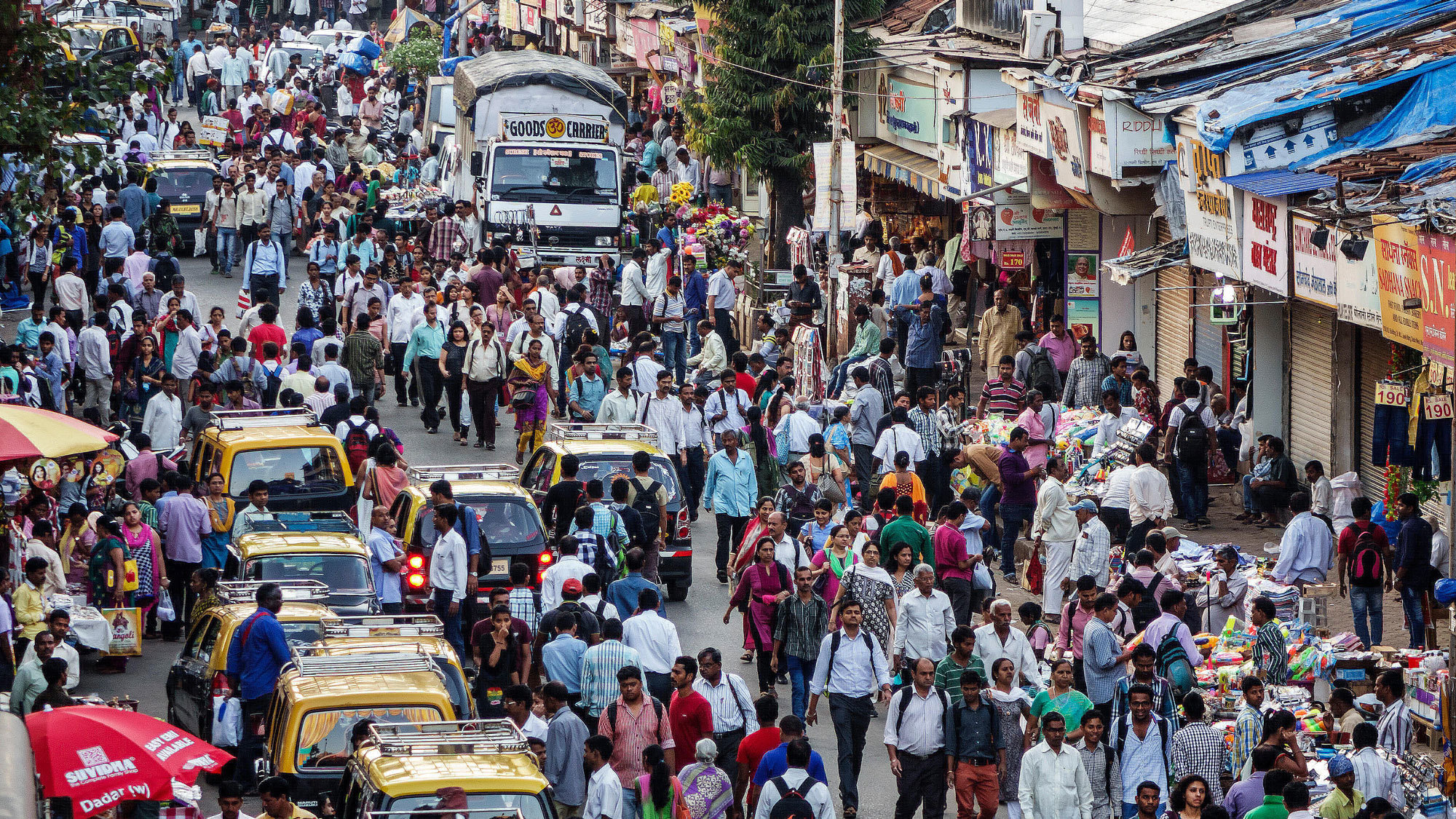
- Limited jobs, facilities (medical care, education), and natural resources often lead to demands restricting entry to “outsiders,” even when they are fellow citizens (e.g., “Mumbai for Mumbaikars”).
- Freedom of Movement and Labour:
- Freedom of movement is essential for workers migrating for jobs.
- Internal migration patterns include IT workers moving to Bangalore, nurses from Kerala working across the country, and construction workers migrating to urban centers.
- Resistance from local populations often stems from concerns over job competition and lower wage rates, prompting demands for local job reservations or language requirements.
- Disparate Treatment of Migrants:
- Societies often welcome skilled and affluent migrants more readily than poor, unskilled laborers.
- Democratic Resolution of Disputes:
- Disputes should be resolved via negotiation, discussion, and peaceful means rather than force.
- Freedom of expression guarantees the right to protest, provided it does not harm life, property, or the State.
- Methods of influencing policy include forming groups, holding demonstrations, utilizing media, approaching political parties, and petitioning courts.
- Martin Luther King Jr. and the US Civil Rights Movement:
- Fought in the 1950s against Southern US Segregation Laws that created separate facilities in public transport, housing, schools, and civic amenities.
- King argued that segregation denies inherent human dignity, acts as “social leprosy” causing psychological harm, degrades the quality of life of the white community, and creates artificial barriers preventing mutual cooperation.
- Advocated peaceful, non-violent resistance.
6.3 EQUAL RIGHTS
- The Urban Poor and Slum-Dwellers:
- Towns face severe challenges concerning slum-dwellers and squatters who lack sanitation, private toilets, and clean water.
- Slum-dwellers contribute vital labour (hawkers, petty traders, scavengers, domestic workers, plumbers, artisans) while cities spend relatively little on their basic amenities.
- Voting rights are hindered for squatters and pavement dwellers due to the lack of a fixed address.
- The National Policy on Urban Street Vendors was framed in January 2004 to provide recognition and prevent administrative harassment.
- T. H. Marshall’s Formulation (Citizenship and Social Class, 1950):
- Defined citizenship as a status bestowed on full members of a community, where all possess equal rights and duties.
- Equality involves improving the quality of rights and duties and expanding the number of people who receive them.
- Three dimensions of rights:
- Civil Rights: Protect life, liberty, and property.
- Political Rights: Enable participation in governance.
- Social Rights: Guarantee access to education and employment to ensure dignity.
- Treats social class as a system of inequality; citizenship counters class divisions to integrate society.
- Olga Tellis vs. Bombay Municipal Corporation (1985):
- Supreme Court ruled on a PIL regarding eviction of pavement dwellers in Bombay.
- Held that Article 21 (Right to Life) encompasses the right to livelihood; evicted pavement dwellers near work must receive alternative shelter.
- Marginalised Forest Dwellers and Tribal Groups:
- Face displacement and threats to their livelihood from population pressure, mining, commercial exploitation, and tourism.
- Highlights that equal rights do not require identical, uniform policies; policies must adapt to differing needs to achieve substantive equality.
6.4 CITIZEN AND NATION
- The Nation-State:
- Concept evolved in the modern period, rooted in principles asserted during the French Revolution (1789).
- Expresses national identity through symbols such as flags, anthems, languages, and public ceremonies.
- Inclusion and Assimilation (The French Model):
- France emphasizes secularism, common language, and public assimilation, keeping religion in the private sphere.
- Public-private tensions arose when public schools prohibited Sikh boys from wearing turbans and Muslim girls from wearing headscarves.
- Criteria for Granting Citizenship:
- Some countries base citizenship on ethnic origin or religion (e.g., Israel, Germany).
- In Germany, the grant of citizenship to children of Turkish guest workers has been a major ongoing debate.
- The Indian Conception of Citizenship:
- India adopted a secular, democratic, and inclusive national model designed to unite diverse languages, religions, and cultures.
- Addressed marginalized groups including Scheduled Castes, Scheduled Tribes, women, and isolated island communities (such as Andaman and Nicobar).
- Governed by Part Two of the Constitution and subsequent Parliamentary legislation.
- Modes of acquiring Indian citizenship: birth, descent, registration, naturalisation, or inclusion of territory.
- Prohibits discrimination by the State solely on grounds of religion, race, caste, sex, or place of birth, while explicitly protecting religious and linguistic minorities.
- Democratic citizenship in India remains an ongoing project shaped by continuing struggles (Dalit, women’s, and anti-displacement movements).
6.5 UNIVERSAL CITIZENSHIP
- Global Displacement:
- Millions displaced due to war, political persecutions, and famines (e.g., refugees in Darfur/Sudan, Palestinians, Burmese, Bangladeshis).
- Despite state restrictions, fences, and border walls, forced migration persists.
- Statelessness:
- Stateless people cannot return home and are denied admission elsewhere, living in camps or as illegal migrants without the right to work, own property, or educate children legally.
- The United Nations appointed a High Commissioner for Refugees (UNHCR) to assist them.
- State Practices and India’s Refuge:
- States restrict admissions due to political, absorption, and national security limits.
- India granted asylum to the Dalai Lama and his followers in 1959.
- Inflow persists across Indian borders, leaving many in camps for generations without citizenship.
6.6 GLOBAL CITIZENSHIP
- Interconnected World:
- Modern telecommunications (internet, television, mobile phones) provide immediate awareness of international events.
- Global interconnectedness is demonstrated by cross-border sympathy and aid during disasters (e.g., the 2004 South Asian tsunami), international terrorist networks, and coordinated UN efforts against pandemics (e.g., bird flu).
- Concept and Role of Global Citizenship:
- National citizenship alone struggles to solve transnational challenges that require cooperative multilateral action.
- Offers potential mechanisms to address the plight of stateless people and international migrants by guaranteeing core human rights universally.
- Conceived not necessarily as a replacement for national citizenship, but as a supplementary framework fostering international solidarity and cooperation.
Reference Ncert Document
https://ncert.nic.in/textbook/pdf/keps106.pdf
Chapter 5: Citizenship: Rights and Duties
WHO IS A CITIZEN?
- Definition:
- A citizen is someone who legally belongs to a country and is a member of its political community, entitled to participate in the nation’s decision-making.
- Combines legal identity (formal connection to the state) and social responsibility (shared values, active participation, and mutual belonging).
- Citizen vs. Resident:
- Residence is living in a place, whereas citizenship is formal legal membership.
- A resident is not necessarily a citizen, and a citizen may reside abroad.
- Core Pillars in the Indian Context:
- Governed by the Constitution, the Citizenship Act of 1955, and the Citizenship (Amendment) Act of 2019.
- Rights: Freedoms that let people live with dignity (equality, speech, religion, education).
- Duties: Obligations including obeying laws, paying taxes, keeping surroundings clean, and helping others.
- Discrimination: Unfair treatment based on identity, prohibited by law.
- Inclusion: An affirmative approach ensuring nobody is excluded based on language, religion, culture, ethnicity, caste, or gender.
RIGHTS
- What are rights?:
- Justified claims entitled to individuals to ensure dignity, safety, respect, and growth.
- Actions causing harm to oneself or others cannot be claimed as rights.
- Fundamental Rights in the Indian Constitution:
- Enforceable by law; citizens can approach courts if rights are violated.
- Protect individuals against unfair treatment from other citizens as well as arbitrary actions by the government.
- Six Broad Categories (Articles 14–32):
- Right to equality (Articles 14–18):
- Ensures equality before the law and equal opportunities in public employment and education.
- Prohibits discrimination based on religion, race, caste, sex, or place of birth.
- Abolishes untouchability and ends state titles (except military or academic distinctions).
- Equality vs. Equity: Equality provides identical support; equity provides fair, customized support to address structural and historical disadvantages.
- Right to freedom (Articles 19–22):
- Includes freedom of speech, expression, peaceful assembly, and free movement.
- Subject to reasonable restrictions to prevent harm to others or the nation.
- Right to life (Article 21 & 21A):
- Guarantees life with dignity and personal liberty.
- Encompasses livelihood, healthcare, clean environment, fair trial, and protections for children with disabilities.
- Article 21A: Free and compulsory education for children aged 6 to 14 years.
- Right against exploitation (Articles 23–24):
- Prohibits human trafficking, forced labour (bonded labour), and child labour.
- Prohibits employing children under 14 years in factories, mines, or hazardous occupations.
- Permitted exception: Helping in non-hazardous family enterprises during vacations or outside school hours.
- Childline 1098 provides a national emergency telephone helpline for children in distress.
- Right to freedom of religion (Articles 25–28):
- Guarantees freedom to profess, practise, share, and manage religion freely.
- Prohibits compelling anyone to follow, propagate, or pay taxes to fund a religion.
- State-run or state-aided schools are prohibited from promoting any specific religion.
- Cultural and educational rights (Articles 29–30):
- Enables communities to conserve distinct languages, scripts, and cultures.
- Protects the right of religious and linguistic minorities to establish and manage educational institutions.
- Bans denial of admission into state-aided institutions on grounds of religion, race, caste, or language.
- Right to constitutional remedies (Article 32):
- Allows citizens to petition the Supreme Court directly for the enforcement of Fundamental Rights.
- Termed by Dr. B. R. Ambedkar as the “heart and soul of the Constitution” without which the document would be a nullity.
- Right to equality (Articles 14–18):
DUTIES
- What are duties?:
- Responsibilities outlined to ensure citizens actively participate in sustaining democracy and society.
- Fundamental Duties were not in the original 1950 Constitution; added via constitutional amendment in 1976 under Article 51A (Part IV-A).
- Began with 10 duties; the 11th duty (obligating parents/guardians to educate children aged 6–14) was added in 2002.
- The 11 Fundamental Duties (Article 51A):
- Abide by the Constitution and respect the National Flag and National Anthem.
- Cherish and follow the noble ideals of the national freedom struggle.
- Uphold and protect the sovereignty, unity, and integrity of India.
- Defend the nation and render national service when called upon.
- Promote harmony, spirit of common brotherhood among all people, and renounce practices derogatory to the dignity of women.
- Value and preserve the rich heritage of the composite culture.
- Protect and improve the natural environment (forests, lakes, rivers, wildlife) and have compassion for living creatures.
- Develop scientific temper, humanism, and the spirit of inquiry and reform.
- Safeguard public property and abjure violence.
- Strive towards excellence in all spheres of individual and collective activity.
- Duty of parent/guardian to provide educational opportunities to their child between ages 6 and 14 years.
- Traditional Indian Context of Rights and Duties:
- Dharma: Broad concept encompassing duty and righteousness beneficial to society.
- Ṛṇa (Debt): Ancient concept that an individual is born with debts to devatās, ancestors, parents, teachers, fellow humans, and nature, requiring lifelong repayment through duties.
- Adhikāra: Historically signified capacity, competence, or qualification to perform specific societal duties, rather than universally guaranteed individual rights (with justice under dharma being an implicit exception).
RIGHTS AND DUTIES: TWO SIDES OF THE SAME COIN
- Rights and duties are complementary; enjoying a right comes with the corresponding duty to respect the same right in others.
- Rights are legally enforceable through courts, whereas duties are largely moral and civic obligations that sustain an orderly society.
DISCRIMINATION
- Understanding discrimination:
- Unfair treatment or prejudice against an individual or group based on caste, religion, ethnicity, gender, disability, race, appearance, or economic status.
- Prohibited by constitutional law and breaches civic values of unity and respect.
- Historical crusaders: Savitribai and Jyotiba Phule pioneered girls’ and marginalized castes’ education despite severe social abuse; Anandibai Joshi broke barriers to study medicine abroad in the 1880s.
- Visible and invisible discrimination:
- Visible discrimination is overt and explicit.
- Invisible discrimination is covert, subtle, or indirect (e.g., social exclusion, mockery, biased perceptions of ability), making it difficult to prove or penalize legally.
INCLUSION
- Understanding inclusion:
- Proactively creating environments where all individuals feel welcomed, respected, valued, and provided equal access to opportunities.
- Extends beyond reservations to structural support: multilingual access, accessible infrastructure (ramps, braille materials), and barrier-free participation.
- Operates jointly with fundamental rights and fundamental duties to build a cohesive, democratic society.
Referenced Ncert Document
https://ncert.nic.in/textbook/pdf/hees205.pdf
