His first flight Liam O’Flaherty Tnpsc notes

His first flight summary

This story is about a young seagull (bird), which is unable to fly due to fear. On the other hand, his two brothers and his sister started to fly one day before him. The story “His first flight” summarises all the experiences felt by a young seagull and the efforts taken by him to start flying.

Story

Youngs Seagull afraid to make his first fly

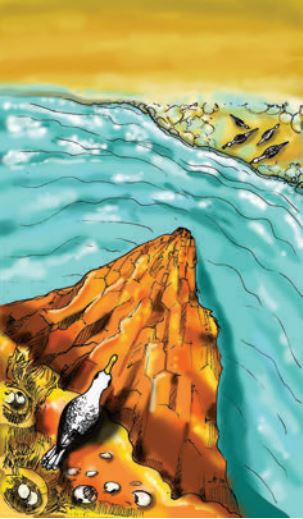
The story starts with a young seagull sitting along on the ledge. His two brothers and sister had already started to fly one day before him. But this seagull is afraid to fly with them, as he felt that his wings would not support him and also the height.

But he attempted and took a little run forward to the brink of the ledge and attempted to flap his wings. Then due to fear he stopped his efforts and bent his head and then ran back to the little hole under the ledge where he slept at night.

Family scolding his fear to fly

His brothers and sister have small wings than his, but they courageously flapped their wings and started to fly. But this seagull failed to muster up the courage. His father and mother have come around calling to him shrilly, scolding him. Also, they threatened him to starve on the ledge.

But even after scolding and threatening, the seagull did not move. It was more than 24-Hours, and nobody came near to him.
His First Flight

Young Seagull watching his family having fun

All the day he watched his parents fly and taught them the art of flight and how to skim the waves and how to dive for fish. He also saw his older brother catch his first herring and devour it. Seeing this his parents circled around raising a proud cackle.

Herring

A long silver fish

All-day, his family walked on a big plateau opposite the cliff, he was standing and laughed at his cowardice.

He is starving due to hunger in the blazing sun

The sun that faced to his south was blazing warmly on his ledge. He was feeling the heat as was eaten anything since the previous nightfall. Then he found a dried piece of mackerel’s tail at the end of his ledge.

Ledge

A narrow shelf that juts out from a vertical surface. In this prose, ledge means a narrow piece of rock that sticks out on the side of a cliff or mountain.

Mackerel

A sea fish. It has a strong taste, used as food.

Then there was not a single scrap of food left. He search every inch of the ledge, through the dirt-caked straw nest where he and his siblings had been hatched. He then even gnawed dried pieces of eggshells. This is just eating a part of himself.

Gnawed

To bite or chew something like food repeatedly

Then the seagull trotted back and forth. His long grey legs stepped daintily trying to find a route to reach his parent without flying. But on each side, the ledge ended in a sheer fall of a precipice, with the sea beneath.

Trot

To run at moderate pace with short steps.

The seagull is crying for food

Also between, him and his parents, there was a deep, wide crack. He could surely reach his parents without flying only if he could move northwards along the cliff face? But there was no ledge and he is afraid to fly.

The precipice was sheer and the top of the precipice is farther away than the sea under him. Then he slowly stepped to the brink of the ledge. Then he stood with one leg and another leg under his wing.

Precipice

A very steep side of cliff or mountain

He then closed one eye and pretended to fall asleep. Even after his drama, his parents and siblings did not take any notice of him. Only his mother looked at him. On the other hand, his father was preening his feathers and his two brothers and sister were lying on the plateau dozing with their heads sunk into their necks.

Preening

Cleaning feathers with beak

His mother was standing little high hump on the plateau and she tore a piece of fish at her feet and then scraped her beak on the rock. He too loved it, Whet it . This scene maddened him. He wants to do the same, so he uttered a low cackle and his mother cackled too.

Cackle

A sharp broken noise or cry of goose, hen or seagull

Then, he cried begging his mother to bring him some food. But his mother mocked him. But he kept calling plaintively, and then he screamed joyfully, seeing his mother pick a piece of fish and fly across him.

Plaintively

Calling in a sad way

Mother teased him to make his first flight

He was eagerly waiting for the food, he leaned tapping the rock with his feet, trying to get nearer to his mother who flew across. But his mother flew nearer to him, but she is not giving the food to him and continued to fly across him, opposite to the ledge.

He dived for Food

Then got maddened by hunger, he dived at the fist, in the beak of his mother. He fell down into space, with a loud scream from him. But his mother swooped upward and he passed beneath her and he heard the swish of her wings.

Swoop

To move quickly and easily through air

Surprisingly he is not falling headlong now, he was soaring gradually, downwards and outwards. He is now no longer afraid. He just felt a bit dizzy.

Made his first flight

His first flight Liam O’Flaherty Tnpsc notes

He started to flap his wings and he soared upwards. Then he uttered a joyous scream and flapped them again.

Then his mother swooped past him and made a loud noise with her wings. All his family screamed happily for him, flying around him, soaring and diving. After he started to fly, he completely forgot that he had not been able to fly.

And commenced to dive and soar, shrieking shrilly. He was flying over the vast green sea. His family had landed on this green floor and were beckoning to him, calling shrilly. He dropped his legs to stand on the green sea.

Beckoning

making a gesture with the hand or head to encourage someone to approach or follow.

Shrilly

Producing a high pitched and piercing voice or sound

But his legs sank and he screamed with fright and he attempted to rise again. But he was tired and could not rise. But his belly touched the sea and he sank no further.

He was floating on the sea. His family was happily screaming, praising him and their beaks offered him scraps of dogfish.

He has made his first flight.


About the Author

This prose “His First Flight“, is written by Liam O’Flaherty (1896-1984). He was an Irish novelist and short-story writer. He was a great figure in the Irish literary renaissance. Also, he was the founding member of the communist party of Ireland.

He is a native Irish speaker from Gaeltacht. He wrote exclusively in English and a small number of short stories in English. He spent most of his time in travelling and lived quietly and comfortably outside the spotlight.

A Tragic story poem by William Makepeace Thackeray Tnpsc

A Tragic story is a poem written by William Makepeace Thackeray. He was one of the great novelists of the English Victorian age. His famous work ‘Vanity fair‘, is the best-known novel in English literature.

William Makepeace Thackeray’s works had lively style, simple vocabulary, and clearly structured sentences. Also, his work has an honest view of life that gave an important place in the history of realist literature.

There lived a sage in days of yore,
And he a handsome pigtail wore;
But wondered much and sorrowed more,
Because it hung behind him.---------------------------4
He mused upon this curious case,
And swore he'd change the pigtail's place,
And have it hanging at his face,
Not dangling there behind him.-----------------------8
Says he, "The mystery I've found –
Says he, "The mystery I've found!
I'll turn me round," he turned him round;
But still it hung behind him.---------------------------12
Then round and round, and out and in,
All day the puzzled sage did spin;
In vain–it mattered not a pin –
The pigtail hung behind him.-------------------------16
And right and left and round about,
And up and down and in and out
He turned; but still the pigtail stout
Hung steadily behind him.----------------------------20
And though his efforts never slack,
And though he twist and twirl, and tack,
Alas! Still faithful to his back,
The pigtail hangs behind him.------------------------24

Summary of Poem

There lived a sage, who has pigtails. He was amazed by the pigtail and worried about its position. It is because it hanging behind. The sage was curious about the position of the pigtails and decided to change its position.

He decided to make the pigtail hang in front of his face. The sage says to himself that I found the mystery about the position of the pigtail. He thought the answer to the mystery, is turn around so that the tail could come in front of him.

Then he turned around and around for the whole day, the pigtail never changed its position, it was still hanging behind him. The sage without giving upturned round and round and left to right, but still, the pigtail were in the same position.

The sage then says that the pigtail was faithful to his back.

Conclusion

The poet has written a poem that expresses the sorrow of sage, with his pigtail not obeying him, in a very humorous poem.

Meanings of keyword

sage – wise man

mused – thought over

yore – long ago

pigtail – a plaited lock of hair worn singly at the back

curious – eager to learn more

mystery – puzzle

stout – thick in structure

Figures of Speech

To know what is Figure of speech is, kindly check this article.

Alliteration

Line 5 – curious case – cc

Line 6 – pigtail’s place – pp

Line 8 – hung behind him – hh

Line 14 – All day the puzzled sage did spin – ss

Line 16 –The pigtail hung behind him. – hh

Line 17 – And right and left and round about, – rr

Line 19 –He turned; but still the pigtail stout – ss

Line 22 –And though he twist and twirl, and tack, – tttt

Allusion, Simile, Metaphor, Personification, Oxymoron, Onomatopoeia

I could not able find it. If you have found anything, Kindly mention it in the comment section.

Anaphora

  • Line 9 and 10 mentioned below, start with same word ‘Says he, “The mystery I’ve found‘. Is an classic example of Anaphora and Repetition.
Says he, "The mystery I've found –
Says he, "The mystery I've found!
  • Line 6 and 7 mentioned below, starts with same letter ‘And’
And swore he'd change the pigtail's place,
And have it hanging at his face,
  • Line 17 and 18 – Both the lines starts with the word ‘And‘.
And right and left and round about,
And up and down and in and out
  • Line 21 and 22 – Both the lines starts with the word ‘And
And though his efforts never slack,
And though he twist and twirl, and tack,

Ellipsis

Could not, able to find any Ellipsis, in the above poem.

Rhyming Words

  • Yore-wore-more
  • case-place-face
  • found-found-round
  • in-spin-pin
  • about-out-stout
  • slack-tack-back

Rhyming Scheme

The Rhyming scheme is AAA-BBB-CCC-DDD-EEE-FFF

There lived a sage in days of yore,  --------------A
And he a handsome pigtail wore;----------------A
But wondered much and sorrowed more,------A
Because it hung behind him.
He mused upon this curious case,--------------B
And swore he'd change the pigtail's place,---B
And have it hanging at his face,---------------B
Not dangling there behind him.
Says he, "The mystery I've found –----------C
Says he, "The mystery I've found!-----------C
I'll turn me round," he turned him round;--C
But still it hung behind him.
Then round and round, and out and in,-------D
All day the puzzled sage did spin;--------------D
In vain–it mattered not a pin –-----------------D
The pigtail hung behind him.
And right and left and round about,---------E
And up and down and in and out------------E
He turned; but still the pigtail stout---------E
Hung steadily behind him.
And though his efforts never slack,---------F
And though he twist and twirl, and tack,----F
Alas! Still faithful to his back,----------------F
The pigtail hangs behind him.

Question from Textbook

A. Answer the following.

1. What made the sage upset?

The sage was upset with the pigtail that was hanging back of his head.

2. Why did the sage spin all day?

The spun all day, in an attempt to bring the pigtail in front of his head.

3. What solution did he arrive at for the mystery that he found?

He did not get any solution for the mystery, although he said “The mystery I’ve found“. Even after several attempts, he did not get any solution.

4. Was he finally succeeded in changing his pigtail’s position? Support your answer with a line from the poem.

No, the sage was unsuccessful in all the attempts. The failed sage said that the pigtail was faithful to his back.

5. Did something dreadful happen? How would you describe the events in the poem– comedy or tragedy?

Dreadful did not happen. The events in the poem done by the sage are comedic.

B. Read the poem lines and answer the questions given below.

1.

But wondered much and sorrowed more

Because it hung behind him.

a) What was he wondering about?

The pigtail is present at, the back of the sage head.

b) What does the word ‘it’ refer to here?

‘it’ refers to Pigtail

2.

And though his efforts never slack

And though he twist, and twirl, and tack,

Alas! Still faithful to his back

The pigtail hangs behind him.

a) Pick out the rhyming words from the above lines and give the rhyme scheme for the same.

slack-tack-back. The rhyming scheme is AAA.

b) Did he quit his trying? How can you say?

He never quit trying to bring the pigtail front. We can get from this line ‘And though his efforts never slack‘. Never slack means, here the sage did not slow the process.

3. ‘He mused upon this curious case’ What is the figure of speech used in this line?

Might be Oxymoron or Hyperbole. Since he is exaggerating the simple thing into complex situations.

4. Irony is a figure of speech in which words are used in such a way that their intended meaning is different from the actual meaning. It may also be a situation that ends up in quite a different way than what is generally anticipated. In simple words, it is a difference between appearance and reality.
Can this poem be called an ironic poem? Justify your answer.

Usually, sages are known for their intelligence, knowledge etc. But in this poem, the sage behaves like a foolish, childish or ignorantly just to bring his pigtail in front of him. Although it is not possible to bring to pigtail in front of him, as the pigtail is fixed.

This is a classic example of Irony, where the so-called intelligent person like a sage doing a foolish action.

Also, sages are said to have no emotion, in whichever situation. But the sage here becomes excited and worried because of his pigtail.

Indian Seasons poem by Nisha Dyrene

Summer comes
in a blaze of heat
with sunny smiles
and dusty feet
Then seasons change
to muddy roads
monsoons and mangoes
leapfrogs and toads
Spring is pretty
but short and sweet
when you can smell the grass
from your garden seat
Autumn is English
in red, yellow and brown
Autumn is Indian
whenever leaves fall down

From A Railway Carriage poem by Robert Louis Stevenson Tnpsc

From A Railway Carriage Summary

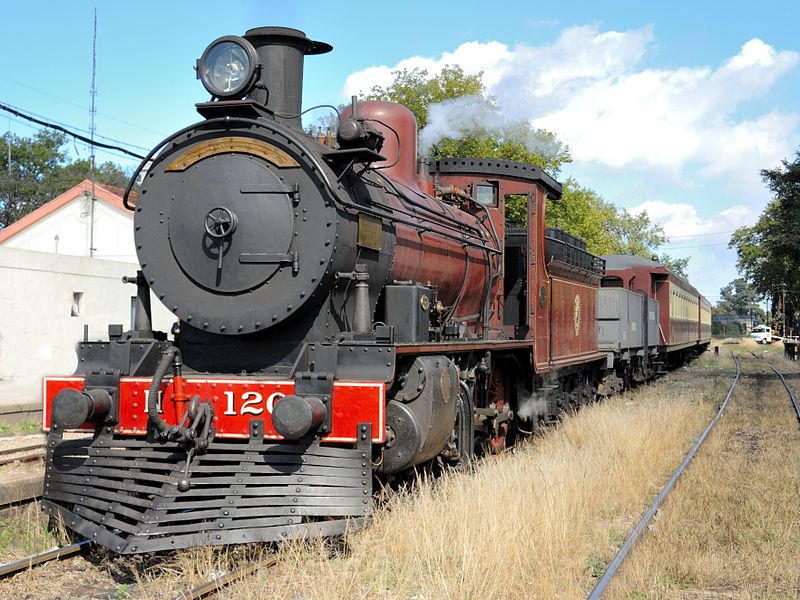
This poem is written by Robert Louis Balfour Stevenson. The poet writes about his experience during his train travel. The poem is written expressively about his travel experience by train.

The poem expresses the joy, he got while travelling on the train. The poem compares the trains with fairies and witches.

Faster than fairies, faster than witches,
Bridges and houses, hedges and ditches;
And charging along like troops in a battle,
All through the meadows the horses and cattle:
All of the sights of the hill and the plain
Fly as thick as driving rain;
And ever again, in the wink of an eye,
Painted stations whistle by.
Here is a child who clambers and scrambles,
All by himself and gathering brambles;
Here is a tramp who stands and gazes;
And there is the green for stringing the daisies!
Here is a cart run away in the road,
Lumping along with man and load;
And here is a mill and there is a river:
Each a glimpse and gone forever!

About the Poet

The poem was written by Robert Louis Balfour Stevenson (13 Nov 1850 – 3 Dec 1894). Robert Louis Balfour Stevenson was a Scottish novelist. He was also a poet, essayist, musician and travel writer.

Famous Works

  • Treasure Island
  • Kidnapped
  • The strange case of Dr Jekyll & Mr Hyde
  • A Child’s Garden of Verses

Poems Explanation

Lines 1 to 4

Faster than fairies, faster than witches,----------------1
Bridges and houses, hedges and ditches;
And charging along like troops in a battle,
All through the meadows the horses and cattle:-------4

In these lines, the poet compares trains with some natural and unnatural objects. The poet compares the speed of the train with fairies, and witches.

Also, they travel through the bridges, passing along the houses, passing along the hedges which are fences or boundaries formed closely by bushes or shrubs. Also, the train passes along the ditches

The poet says that the trains travel faster than fairies and witches. In lines 3 and 4, the poet compares the train with troops, that charges the battle. Also compares the trains with cattle and horses that travel through the meadows.

Fairy is a mythical being or creature or spirit, which is found in european folks, stories etc. Fairy said to be live in woodland, inhabit hills or lakes, underground kingdoms etc.

Fairies

Witches are a woman thought to have magical powers, mostly they are evil ones.

Witches

It is a piece of grassland or a piece of low ground near a river.

Meadow

It is a narrow channel dug at side of road or field to carry away water.

Ditch

Rhyming Words

The rhyming words from lines 1 to 4 are:

  • Witches-ditches
  • Battle- cattle

Rhymig Scheme

The rhyming scheme from lines 1 to 4 are:

  • AABB

Lines 5 to 8

All of the sights of the hill and the plain---------------------------5
Fly as thick as driving rain;
And ever again, in the wink of an eye,
Painted stations whistle by.----------------------------------------8

The poet expresses his experience with train in lines 5 to 8. He says, the sights such as hills and plains, travel by. And compares the speed of the train with raindrops that fall rapidly and differentiate between drops, a wink of an eye, and the sights or views the train passes by.

In line 8, the poet says, that the train passes the railway station by blowing the whistles.

Rhyming Words

The rhyming words from lines 5 to 8 are:

  • Plain-rain
  • Eye-by

Rhyming Scheme

  • AABB

Lines 9 to 12

Here is a child who clambers and scrambles,--------9
All by himself and gathering brambles;
Here is a tramp who stands and gazes;
And there is the green for stringing the daisies!--------12

In lines 9 and 10, the poet compares, a child who is trying the climb the trees with great difficulty (“Here is a child who clamber and scrambles), using his hand and feet in a very awkward manner.

The child climbs, the tree to pick the bramble.

It is prickly scrambling shrub especially a blckberry.

Bramblesw

Rhyming Words

The rhyming words from lines 9 to 12 are:

  • scrambles-brambles
  • Grazes-Daises

Rhyming Scheme

  • AABB
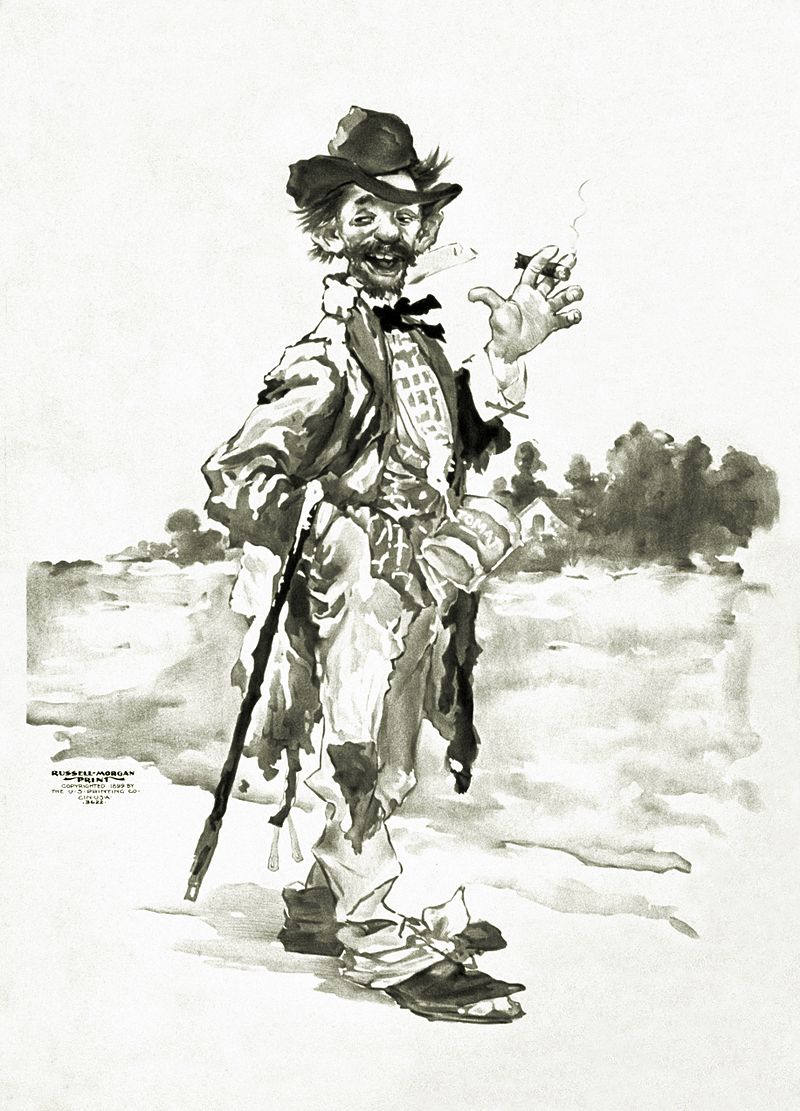
A Tramp - A Homeless person, who travels randomly
A Tramp – A Homeless person, who travels randomly By Russel-Morgan Print, published by the U.S. Printing Co. – This image is available from the United States Library of Congress’s Prints and Photographs division under the digital ID var.1600.This tag does not indicate the copyright status of the attached work. A normal copyright tag is still required. See Commons:Licensing for more information., Public Domain, https://commons.wikimedia.org/w/index.php?curid=10901733

In lines 11 and 12, the poet describes a tramp. Tramp is a homeless person who travels in search of work and food. He does not have any time restrictions.

Then the poet sees a green land as the train moves. And there were people who were making garlands with daisy flowers.

Garland made of Daisy Flower
Garland made of Daisy Flower By User Ecrips on en.wikipedia – Own work, Public Domain, https://commons.wikimedia.org/w/index.php?curid=1085013
Here is a cart run away in the road,--------------13
Lumping along with man and load;
And here is a mill and there is a river:
Each a glimpse and gone forever!----------------16

The poet sees cart in the road with load, and the man moving it slowly and the heavy cart on the road. The poet also sees a mill, river once from the train along the tracks.

The poet sees these visuals of mill and river just for a moment as the trains moves away from them.

Rhyming Words

The rhyming words from lines 9 to 12 are:

  • Road-Load
  • River-Forever

Rhyming Scheme

  • AABB

Team work poem by Edgar Albert Guest Tnpsc

It’s all very well to have courage and skill
And it’s fine to be counted a star,
But the single deed with its touch of thrill
Doesn’t tell the man you are;
For there’s no lone hand in the game we play,
We must work to a bigger scheme,
And the thing that counts in the world to-day
Is, How do you pull with the team?
They may sound your praise and call you great,
They may single you out for fame,
But you must work with your running mate
Or you’ll never win the game;
Oh, never the work of life is done
By the man with a selfish dream,
For the battle is lost or the battle is won
By the spirit of the team.
You may think it fine to be praised for skill ,
But a greater thing to do
Is to set your mind and set your will
On the goal that’s just in view;
It’s helping your fellowman to score
When his chances hopeless seem;
Its forgetting self till the game is o’re
And fighting for the team.


Explanation

The poem “Team Work” by Edgar Albert Guest is a celebration of teamwork and the importance of working together towards a common goal. The poem begins by stating that it is not enough to be a star player or to be counted as a great gun. Instead, the poem argues that the true measure of a person is their ability to work together with others and contribute to the success of the team.

The poem goes on to describe the qualities that make a good team player. These qualities include being always on the spot, having your heart in the game, never shirking a task, being loyal and true, and always being ready to lend a helping hand. The poem concludes by stating that when choosing a man for your team, you should not pick out the star alone, but the man with the heart of gold, who is always on the go.

The poem “Team Work” is a reminder that teamwork is essential for success in any field. Whether you are playing a sport, working on a project, or simply trying to get through the day, it is important to be able to work together with others and contribute to the common good. The poem also reminds us that the qualities that make a good team player are not just about being talented or skilled. They are also about being reliable, trustworthy, and willing to help others.

Here are some of the key messages of the poem:

  • Teamwork is essential for success.
  • The qualities that make a good team player are more important than individual talent.
  • The best team players are always on the spot, have their heart in the game, and never shirk a task.
  • Good team players are loyal, true, and always willing to help others.

The poem “Team Work” is a valuable reminder of the importance of teamwork and the qualities that make a good team player. It is a poem that can be enjoyed by people of all ages and backgrounds, and it is a poem that can inspire us to be better team players in our own lives.

Courage poem Edgar Albert Guest Tnpsc

Courage isn’t a brilliant dash,
A daring deed in a moment’s flash;
It isn’t an instantaneous thing
Born of despair with a sudden spring
It isn’t a creature of flickered hope
Or the final tug at a slipping rope;
But it’s something deep in the soul of man
That is working always to serve some plan.
Courage isn’t the last resort
In the work of life or the game of sport;
It isn’t a thing that a man can call
At some future time when he’s apt to fall;
If he hasn’t it now, he will have it not
When the strain is great and the pace is hot.
For who would strive for a distant goal
Must always have courage within his soul.
Courage isn’t a dazzling light
That flashes and passes away from sight;
It’s a slow, unwavering, ingrained trait
With the patience to work and the strength to wait.
It’s part of a man when his skies are blue,
It’s part of him when he has work to do.
The brave man never is freed of it.
He has it when there is no need of it.
Courage was never designed for show;
It isn’t a thing that can come and go;
It’s written in victory and defeat
And every trial a man may meet.
It’s part of his hours, his days and his years,
Back of his smiles and behind his tears.
Courage is more than a daring deed:
It’s the breath of life and a strong man’s creed.

Sea Fever poem John Masefield Tnpsc

I must go down to the seas again, to the lonely sea and the sky,
And all I ask is a tall ship and a star to steer her by;
And the wheel’s kick and the wind’s song and the white sail’s shaking,
And a grey mist on the sea’s face, and a grey dawn breaking.
I must go down to the seas again, for the call of the running tide
Is a wild call and a clear call that may not be denied;
And all I ask is a windy day with the white clouds flying,
And the flung spray and the blown spume, and the sea-gulls crying.
I must go down to the seas again, to the vagrant gypsy life,
To the gull’s way and the whale’s way where the wind’s like a whetted knife;
And all I ask is a merry yarn from a laughing fellow-rover,
And quiet sleep and a sweet dream when the long trick’s over.

Your Space poem by David Bates Tnpsc

Speak gently! – It is better far
To rule by love, than fear
Speak gently – let not harsh words mar
The good we might do here!
Speak gently! – Love doth whisper low
The vows that true hearts bind;
And gently Friendship’s accents flow;
Affection’s voice is kind.
Speak gently to the little child!
Its love be sure to gain;
Teach it in accents soft and mild:-
It may not long remain.
Speak gently to the young, for they
Will have enough to bear –
Pass through this life as best they may,
‘T is full of anxious care!
Speak gently to the aged one,
Grieve not the care-worn heart;
The sands of life are nearly run,
Let such in peace depart!
Speak gently, kindly, to the poor;
Let no harsh tone be heard;
They have enough they must endure,
Without an unkind word!
Speak gently to the erring – know,
They may have toiled in vain;
Perchance unkindness made them so;
Oh, win them back again!
Speak gently! – He who gave his life
To bend man’s stubborn will,
When elements were in fierce strife,
Said to them, ‘Peace, be still.’
Speak gently! – ’tis a little thing
Dropped in the heart’s deep well;
The good, the joy, which it may bring,
Eternity shall tell.

My Computer Needs A Break Poem by Shanthini Govindan Tnpsc

My computer has always been so brainy and smart –
It seems to know mountains of information by heart.
If I type in a question, and give my mouse a click,
My computer always gives me the answer really quick!
But of late, my computer has been behaving badly too,
It’s so absent-minded, that I don’t know what to do.
It forgets to ‘save’ my work, and store it away,
And instead, makes it vanish in the most dreadful way.
My computer doesn’t check that my spellings are right,
And hides my files, so that they vanish from sight.
And one day, my naughty computer actually gobbled a worm,
And behaved so erratically that it made me squirm.
Then my computer caught a virus, and fell very sick,
So I had to call in a doctor, double quick.
As the doctor examined my computer, I just had to say,
‘Doctor, do you think my tired computer wants a holiday?’

Lessons in Life poem by Brigette Bryant & Daniel Ho Tnpsc

Having a friend is like planting a flower
Show love and kindness it one day will bloom
Let’s be aware as we walk on this planet
Even the tiniest creature needs room.
Lessons in life aren’t always so simple
Nothing you’re given will ever come free
Even the smallest of gifts deserves “thank you”
I respect you and you respect
I think of you and you think of me.
Remember everyone here is important
When you’re forgotten it makes you feel sad
Know that you matter and you make a difference
Let no one shame you or make you feel bad.
Lessons in life aren’t always so simple
Nothing you are given will ever come free
Even the smallest of gifts deserves “thank you”
I respect you and you respect
I think of you and you think of me.
* * All the Notes in this blog, are referred from Tamil Nadu State Board Books and Samacheer Kalvi Books. Kindly check with the original Tamil Nadu state board books and Ncert Books.