PEACE AND COOPERATION
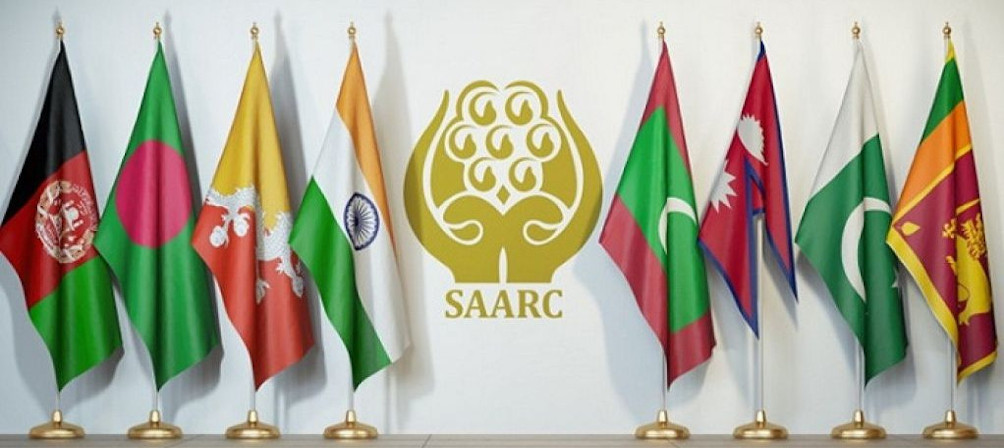
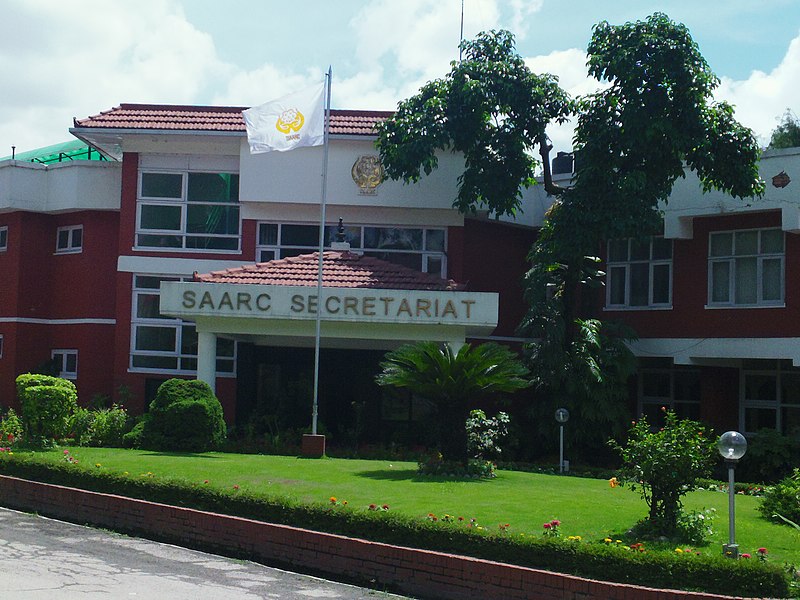
- Nature and Genesis: The South Asian Association for Regional Cooperation (SAARC) is a major regional initiative by the South Asian states to evolve cooperation through multilateral means. It began in 1985.
- Timeline of SAARC Events:
- December 1985: South Asian leaders signed the SAARC Charter at the first summit held in Dhaka.
- January 2004: The South Asian Free Trade Area (SAFTA) agreement was signed at the 12th SAARC Summit in Islamabad.
- 2007: Afghanistan joined SAARC.
- November 2014: The 18th SAARC Summit took place in Kathmandu, Nepal.
- Performance and Limitations: Due to persisting political differences, SAARC has not had much success.
- SAFTA Initiative:
- SAARC members signed the South Asian Free Trade (SAFTA) agreement, promising the formation of a free trade zone for the whole of South Asia.
- The agreement was signed in 2004 and came into effect on 1 January 2006.
- It is based on the spirit that a new chapter of peace and cooperation might evolve in South Asia if all countries in the region allow free trade across the borders.
- SAFTA aims at lowering trade tariffs.
- Perspectives and Concerns Regarding SAFTA:
- Neighbours’ Fears: Some neighbouring nations fear that SAFTA is a way for India to “invade” their markets and influence their societies and politics through commercial ventures and a commercial presence.
- India’s Perspective: India believes there are real economic benefits for all from SAFTA and that a region trading more freely will be able to cooperate better on political issues.
- Domestic Doubts within India: Some in India think SAFTA is not worth the trouble since India already has bilateral agreements with Bhutan, Nepal, and Sri Lanka.
Reference Ncert Documents