I've done a Master of Engineering in Computer Science and B.Tech in Information Technology . Worked in a private IT company for 5 years. Currently preparing for the Civil Services Exam. My hobby is blogging in different Niches, especially technologies.
These books provide solid foundational knowledge on environmental issues, biodiversity, ecology, and sustainable development, all of which are crucial for UPSC exams.
Insight into Indian art forms, architecture, and culture
Detailed study of various art forms, including music, dance, paintings, and sculptures. This book is ideal for a holistic understanding of India’s artistic heritage.
Preparing for the UPSC exam requires a well-structured study plan, and one of the most important subjects in the General Studies paper is Art and Culture. This subject plays a crucial role in the Prelims and Mains, making it essential for aspirants to choose the right study materials.
Why Study Art and Culture for UPSC?
Art and Culture cover India’s rich heritage, including ancient, medieval, and modern art forms, architecture, dance, music, and literature. The UPSC frequently asks direct and analytical questions on this topic, making a strong understanding necessary for scoring well.
Other Top Books for Art and Culture UPSC Preparation
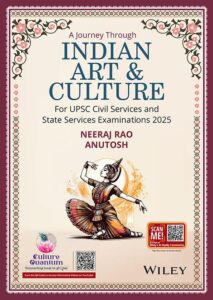
1. A Journey Through Indian Art and Culture by Neeraj Rao
This book is gaining popularity among UPSC aspirants due to its structured approach to covering Indian heritage, architecture, and cultural aspects. It is highly recommended for both beginners and advanced learners.
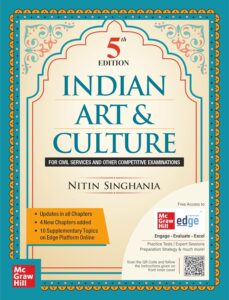
2. Indian Art and Culture by Nitin Singhania
One of the most preferred books by UPSC candidates, this book provides a comprehensive guide with detailed explanations, practice questions, and illustrations to aid retention.
3. Centre’s NCERT and CCRT Materials
NCERT books (Class 11 and 12) along with materials from the Centre for Cultural Resources and Training (CCRT) are essential for building conceptual clarity.
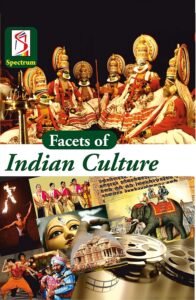
4. Facets of Indian Culture by Spectrum
This book is another useful resource that provides deep insights into various cultural aspects of India, making it helpful for both Prelims and Mains.
How to Make the Most of These Books?
Focus on Previous Year Questions: Analyze past UPSC papers to understand the trend of questions.
Make Notes: Jot down important facts and themes to revise before exams.
Use Visual Aids: Diagrams, mind maps, and infographics can enhance understanding.
Attempt Mock Tests: Regular practice with mock tests will help improve recall and accuracy.
Conclusion
Selecting the right books and adopting an effective study strategy can significantly enhance your preparation for the Art and Culture section of the UPSC exam. By using resources like Neeraj Rao’s A Journey Through Indian Art and Culture, Nitin Singhania’s book, and NCERT materials, aspirants can gain a solid foundation to excel in this subject.
Start your preparation today with the right resources, and stay consistent in your efforts!
Provides an in-depth understanding of global and Indian macroeconomic theories
A textbook widely used by aspirants to grasp essential macroeconomic principles. Great for understanding economic cycles, inflation, and fiscal policies.
The distant past when there was no paper or language or the written word, and hence no books or written documents, is called prehistory or as we often say, prehistroric times. How people lived in those times was difficult to surmise until scholars began to discover the places where prehistoric people lived.
Excavation at these places brought to light old tools, pottery, habitats, bones of ancient human beings and animals, and drawings on cave walls. By piecing together the information deduced from these objects and the cave drawings, scholars have constructed fairly accurate knowledge about what happened and how people lived in prehistoric times.
When the basic needs of food, water, clothing and shelter were fulfilled people felt the need to express themselves. Painting and drawing were the oldest art forms practised by human beings to express themselves, using the cave walls as their canvas.
Why did prehistoric people draw these pictures? They may have drawn and painted to make their shelters more colourful and beautiful or to keep a visual record of their day-to-day life, like some of us who maintain a dairy.
Prehistoric rock paintings in India
Prehistoric paintings have been found in many parts of the world. We do not really know if Lower Palaeolithic people ever produced any art objects. But by the Upper Palaeolithic times we see a proliferation of artistic activities. Around the world the walls of many caves of this time are full of finely carved and painted pictures of animals which the cave-dwellers hunted.
The subjects of their drawings were human figures, human activities, geometric designs and animal symbols. In India the earliest paintings have been reported from the Upper Palaeolithic times.
It is interesting to know that the first discovery of rock paintings was made in India in 1867–68 by an archaeologist, Archibold Carlleyle, twelve years before the discovery of Altamira in Spain. Cockburn, Anderson, Mitra and Ghosh were the early archaeologists who discovered a large number prehistoric rock paintings in India.
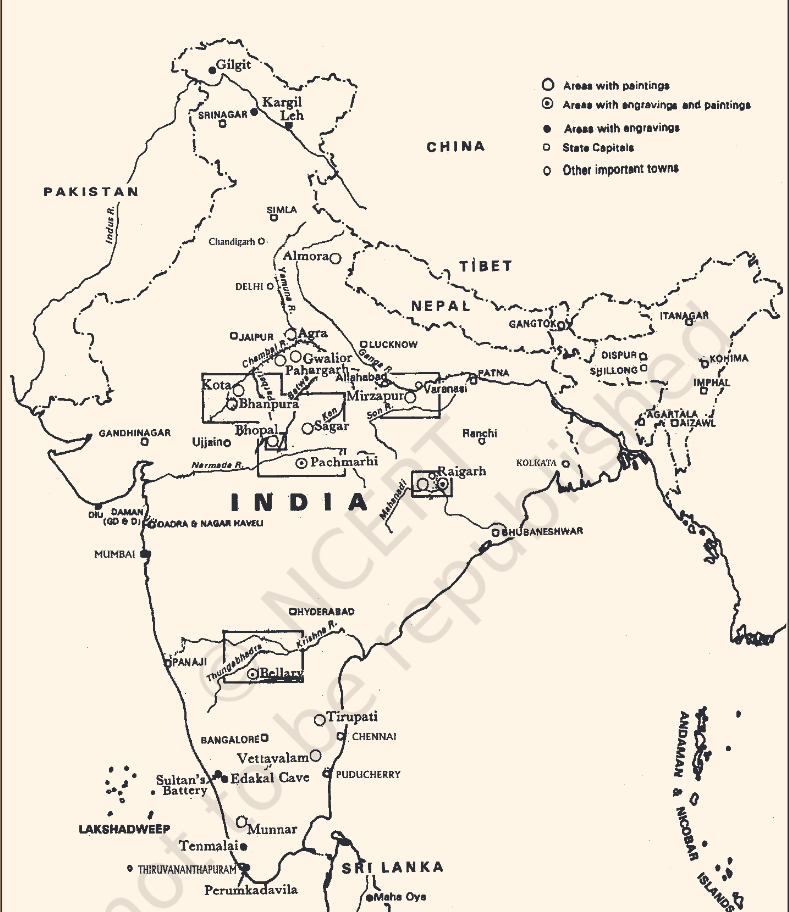
Remnants of rock paintings have been found on the walls of the caves situated in several districts of Madhya Pradesh, Uttar Pradesh, Andhra Pradesh, Karnataka and Bihar. Some paintings have been reported from the Kumaon hills in Uttarakhand also. The rock shelters on banks of the River Suyal at Lakhudiyar, about twenty kilometres on the Almora– Barechina road, bear these prehistoric paintings.
Lakhudiyar literally means one lakh caves.The paintings here can be divided into three categories: man, animal and geometric patterns in white, black and red ochre. Humans are represented in stick-like forms. A long-snouted animal, a fox and a multiple legged lizard are the main animal motifs. Wavy lines, rectangle-filled geometric designs, and groups of dots can also be seen here.
One of the interesting scenes depicted here is of hand-linked dancing human figures. There is some superimposition of paintings. The earliest are in black; over these are red ochre paintings and the last group comprises white paintings. From Kashmir two slabs with engravings have been reported. The granite rocks of Karnataka and Andhra Pradesh provided suitable canvases to the Neolithic man for his paintings.
There are several such sites but more famous among them are Kupgallu, Piklihal and Tekkalkota. Three types of paintings have been reported from here—paintings in white, paintings in red ochre over a white background and paintings in red ochre.
These prehistoric rock paintings in India belong to late historical, early historical and Neolithic periods. The subjects depicted are bulls, elephants, sambhars, gazelles, sheep, goats, horses, stylised humans, tridents, but rarely, vegetal motifs.
But the richest paintings are reported from the Vindhya ranges of Madhya Pradesh and their Kaimurean extensions into Uttar Pradesh. These hill ranges are full of Palaeolithic and Mesolithic remains, and they are also full of forests, wild plants, fruits, streams and creeks, thus a perfect place for Stone Age people to live.
Among these the largest and most spectacular rock-shelter is located in the Vindhya hills at Bhimbetka in Madhya Pradesh. Bhimbetka is located forty- five kilometres south of Bhopal, in an area of ten square kilometres, having about eight hundred rock shelters, five hundred of which bear paintings.
The caves of Bhimbetka were discovered in 1957–58 by eminent archaeologist V.S. Wakankar and later on many more were discovered. Wakankar spent several years in surveying these inaccessible hills and jungles to study these paintings.
The themes of paintings found here are of great variety, ranging from mundane events of daily life in those times to sacred and royal images. These include hunting, dancing, music, horse and elephant riders, animal fighting, honey collection, decoration of bodies, and other household scenes.
The rock art of Bhimbetka has been classified into various groups on the bases of style, technique and superimposition. The drawings and paintings can be catagorised into seven historical periods. Period I, Upper Palaeolithic; Period II, Mesolithic; and Period III, Chalcolithic. After Period III there are four successive periods. But we will confine ourselves here only to the first three phases.
Upper Palaeolithic Period
The paintings of the Upper Palaeolithic phase are linear representations, in green and dark red, of huge animal figures, such as bisons, elephants, tigers, rhinos and boars besides stick-like human figures. A few are wash paintings but mostly they are filled with geometric patterns. The green paintings are of dancers and the red ones of hunters.
Mesolithic Period
The largest number of paintings belong to Period-II that covers the Mesolithic paintings. During this period the themes are multiple but the paintings are smaller in size. Hunting scenes predominate. The hunting scenes depict people hunting in groups, armed with barbed spears, pointed sticks, arrows and bows. In some paintings these primitive men are shown with traps and snares probably to catch animals.
The hunters are shown wearing simple clothes and ornaments. Sometimes, men have been adorned with elaborate head dresss, and sometimes painted with masks also.
Elephant, bison, tiger, boar, deer, antelope, leopard, panther, rhinoceros, fish, frog, lizard, squirrel and at times birds are also depicted. The Mesolithic artists loved to paint animals. In some pictures, animals are chasing men. In others they are being chased and hunted by men. Some of the animal paintings, especially in the hunting scenes, show a fear of animals, but many others show a feeling of tenderness and love for them. There are also a few engravings representing mainly animals.
Though animals were painted in a naturalistic style, humans were depicted only in a stylistic manner. Women are painted both in the nude and clothed. The young and the old equally find place in these paintings. Children are painted runnings, jumping and playing.
Community dances provide a common theme. There are paintings of people gathering fruit or honey from trees, and of women grinding and preparing food. Some of the pictures of men, women and children seem to depict a sort of family life. In many of the rock-shelters we find hand prints, fist prints, and dots made by the fingertips.
The artists of Bhimbetka used many colours, including various shades of white, yellow, orange, red ochre, purple, brown, green and black. But white and red were their favourite colours. The paints were made by grinding various rocks and minerals. They got red from haematite (known as geru in India). The green came from a green variety of a stone called chalcedony. White might have been made out of limestone. The rock of mineral was first ground into a powder.
This may then have been mixed with water and also with some thick or sticky substance such as animal fat or gum or resin from trees. Brushes were made of plant fibre. What is amazing is that these colours have survived thousands of years of adverse weather conditions. It is believed that the colours have remained intact because of the chemical reaction of the oxide present on the surface of the rocks.
The artists here made their paintings on the walls and ceilings of the rock shelters. Some of the paintings are reported from the shelters where people lived. But some others were made in places which do not seem to have been livings spaces at all. Perhaps these places had some religious importance. Some of the most beautiful paintings are very high up on rock shelters or close to the ceilings of rock-shelters.
One may wonder why early human beings chose to paint on a rock in such an uncomfortable position. The paintings made at these places were perhaps for people to be able to notice them from a distance.
The paintings, though from the remote past, do not lack pictorial quality. Despite various limitations such as acute working conditions, inadequate tools, materials, etc., there is a charm of simple rendering of scenes of the environments in which the artists lived. The men shown in them appear adventurous and rejoicing in their lives. The animals are shown more youthful and majestic than perhaps they actually were. The primitive artists seem to possess an intrinsic passion for storytelling.
These pictures depict, in a dramatic way, both men and animals engaged in the struggle for survival. In one of the scenes, a group of people have been shown hunting a bison. In the process, some injured men are depicted lying scattered on the ground. In another scene, an animal is shown in the agony of death and the men are depicted dancing. These kinds of paintings might have given man a sense of power over the animals he would meet in the open.
The paintings of individual animals show the mastery of skill of the primitive artist in drawing these forms. Both, proportion and tonal effect, have been realistically maintained in them.
It is interesting to note that at many rock art sites often a new painting is painted on top of an older painting. At Bhimbetka, in some places, there are as many as 20 layers of paintings, one on top of another. Why did the artists paint in the same place again and again?
Maybe, this was because the artist did not like his creation and painted another painting on the previous one, or some of the paintings and places were considered sacred or special or this was because the area may have been used by different generations of people at different times.
These prehistoric paintings help us to understand about early human beings, their lifestyle, their food habits, their daily activities and above all, they helps us understand their mind – the way they thought. Prehistoric period remains are a great witness to the evolution of human civilisation, through the numerous rock weapons, tools, ceramics an bones.
More than anything else, the rock paintings are the greatest wealth the primitive human beings of this period left behind.
Conclusion
Prehistoric rock paintings in India offer a captivating glimpse into the lives of our earliest ancestors. These vibrant and intricate artworks, found in caves and rock shelters across the country, provide invaluable insights into their beliefs, social structures, and daily lives. From hunting scenes and animal depictions to abstract symbols and geometric patterns, these paintings showcase the artistic expression and ingenuity of early humans.
The preservation of these ancient artworks is crucial for understanding our shared human heritage. Ongoing research and conservation efforts are vital to ensure that future generations can continue to learn from and appreciate these remarkable testaments to the creativity and resilience of our ancestors.
The UPSC Civil Services Examination is a challenging but rewarding endeavor. For aspiring civil servants, the journey begins with a solid foundation built upon the right resources. Choosing the right books is crucial for beginners to grasp the vast UPSC syllabus effectively. This blog post presents a curated list of 10 essential books to kickstart your UPSC preparation:
1.Indian Polity by M. Laxmikanth
This is arguably the single most important book for UPSC. Laxmikanth’s lucid explanations and comprehensive coverage of Indian Constitution, political system, and government institutions make it indispensable. It delves into the intricacies of the Indian Constitution, analyzing its historical context, fundamental rights and duties, directive principles of state policy, and the structure and functions of the Indian government.
The book also covers important constitutional amendments, judicial interpretations, and contemporary political issues. Its clarity and depth make it an invaluable resource for understanding the Indian political system.
2.NCERT Textbooks (Class 6-12)
NCERT textbooks are the foundation of UPSC preparation, providing a comprehensive and in-depth understanding of various subjects. They are written in a clear and concise manner, making them easy to understand. NCERT textbooks cover a wide range of topics, from history and geography to economics and science. They are also updated regularly to reflect the latest developments in these fields.
Here are some of the key reasons why NCERT textbooks are so important for UPSC preparation:
Comprehensive coverage
NCERT textbooks cover all the important topics that are likely to be asked in the UPSC exam.
Clear and concise writing
The language used in NCERT textbooks is simple and easy to understand.
Updated content
NCERT textbooks are regularly updated to reflect the latest developments in the field of education.
Affordable
NCERT textbooks are relatively inexpensive, making them accessible to all students.
In addition to the core subjects, NCERT textbooks also cover important topics like Indian culture, society, and environment. These topics are essential for understanding the Indian context and are often asked in the UPSC exam.
3.Spectrum’s Modern Indian History by Rajiv Ahir
This book offers a concise and engaging narrative of modern India, covering key events, personalities, movements, and social and economic changes. It delves into the colonial period, the Indian National Movement, and the post-independence era, providing a comprehensive overview of India’s journey from a colonial past to a modern nation.
4.Geography of India by Majid Husain
This book provides a comprehensive overview of Indian geography, including physical, social, economic, and environmental aspects. It delves into the intricate details of India’s diverse landscapes, climate, natural resources, and human geography. The book also covers important topics like regional planning, environmental issues, and sustainable development. Majid Husain’s lucid writing style and in-depth analysis make it an invaluable resource for understanding the complexities of Indian geography.
5.Indian Economy by Ramesh Singh
This book offers a comprehensive and in-depth analysis of the Indian economy, covering a wide range of topics such as economic growth, development, planning, poverty, unemployment, agriculture, industry, infrastructure, foreign trade, and fiscal and monetary policies. It also discusses the impact of globalization and liberalization on the Indian economy. The book is well-written and easy to understand, making it a valuable resource for UPSC aspirants.
6.The Hindu Newspaper
Reading The Hindu daily is crucial for staying updated on current affairs, developing analytical skills, and improving your English. It provides comprehensive coverage of important national and international issues, including politics, economics, society, and culture. The newspaper’s editorials offer in-depth analysis of current events, helping you develop a nuanced understanding of complex issues. Additionally, reading The Hindu can significantly improve your vocabulary and writing skills, which are essential for success in the UPSC exam.
7.Ethics, Integrity, and Aptitude for Civil Services Examination by Subba Rao
This book provides valuable insights into ethical dilemmas, case studies, and the importance of integrity in public service. It delves into the nuances of ethical decision-making, explores the challenges faced by civil servants in upholding ethical standards, and provides practical guidance on how to navigate complex ethical situations.
8.Yojana and Kurukshetra Magazines
These government publications offer in-depth articles on various social, economic, and cultural issues, enriching your understanding of contemporary India. They cover a wide range of topics, from education and healthcare to agriculture and environment. These magazines are a valuable resource for UPSC aspirants as they provide insights into government policies, schemes, and initiatives.
9.Objective General English by S.P. Bakshi
This book provides a comprehensive and engaging approach to mastering English grammar, vocabulary, and comprehension. It covers a wide range of topics, from basic grammar rules to advanced vocabulary building techniques. The book is packed with numerous practice exercises and tips to help you improve your language skills.
10.NCERT Geography for Class 11 (Fundamentals of Physical Geography) and Class 12 (India: People and Economy)
These books provide a deeper understanding of physical geography and the Indian economy, respectively. They delve into the intricacies of landforms, climate, natural resources, and human geography, as well as economic growth, development, planning, poverty, unemployment, agriculture, industry, infrastructure, foreign trade, and fiscal and monetary policies.
Conclusion
This curated list of top 10 books provides a strong foundation for your studies, covering key subjects and offering clear explanations. Remember that consistent effort, regular revision, and a well-structured study plan are equally crucial.
Nestled in the northeastern corner of India, Arunachal Pradesh unveils a cultural tapestry as rich and diverse as its breathtaking landscapes. Beyond the majestic peaks and verdant valleys lies a world where traditions are woven into the very fabric of life. Join us on a journey as we explore the vibrant cultural landscape of Arunachal Pradesh, where every dance, every festival, and every ritual tells a story of heritage and resilience.
Diverse Ethnic Mosaic
Arunachal Pradesh, often referred to as the “Land of the Dawn-Lit Mountains,” is a state in northeastern India known for its rich cultural diversity. The state is home to multiple tribes, each with its distinct language, customs, rituals, and traditional practices. Let’s explore some of the prominent tribes and their unique cultures in Arunachal Pradesh.
Nyishi Tribe: The Nyishi tribe is one of the largest tribes in Arunachal Pradesh. Known for their vibrant festivals, the Nyishis celebrate Nyokum, a festival dedicated to the goddess of prosperity and welfare. Traditional dances, rituals, and community feasts are integral parts of their cultural expressions.
Adi Tribe: The Adi tribe is one of the most populous tribes in Arunachal Pradesh. Adi culture is characterized by festivals like Solung and Aran, which celebrate the agricultural cycle. They are skilled in cane and bamboo crafts, and their traditional dances often depict their connection to nature.
Apatani Tribe: Primarily inhabiting the Ziro Valley, the Apatani tribe is known for its distinctive cultural practices. Apatani women are recognized for their facial tattoos and nose plugs, a unique cultural tradition. The Myoko festival is a major celebration involving rituals, dances, and feasting.
Galos Tribe:Population: The Galo tribe is one of the major tribes in the West Siang district.The Mopin festival, dedicated to the goddess of prosperity, is a significant cultural event for the Galos. Traditional dances, rituals, and indigenous games are important aspects of their cultural heritage.
Monpa Tribe: Predominantly found in the Tawang district. Monpas follow Tibetan Buddhism, and Tawang Monastery, one of the largest monasteries in India, is a sacred site for them. Losar, the Tibetan New Year, is celebrated with religious fervor, traditional dances, and music.
Sherdukpen Tribe: Inhabiting the Tawang and West Kameng districts. The Sherdukpen tribe has a rich oral tradition, and their festivals like Sollung and Losar reflect their agrarian and religious practices. Traditional dances, including the Aji Lamu dance, are an integral part of their cultural heritage.
Khampti Tribe:Population: Primarily found in the Lohit district. The Khampti tribe follows Theravada Buddhism, and their festivals like Poi Pee Mau are celebrated with religious rituals, cultural performances, and traditional games. They are also known for their expertise in traditional crafts.
Mishing Tribe: Found in the Upper Siang and East Siang districts. The Mishing tribe is known for its colorful festivals, such as Ali-Aye Ligang and Porag, which celebrate agricultural cycles. Their traditional dance forms and handloom weaving are integral to their cultural identity.
Wancho Tribe: Inhabiting the Longding district. The Wancho tribe is known for their unique customs and festivals, including Oriah, which marks the end of the sowing season. Traditional dances and rituals are an essential part of their cultural expressions.
Nocte Tribe: Primarily found in the Tirap district. The Nocte tribe is known for their traditional system of governance and their vibrant festivals like Ojiyale. Traditional art forms, including handwoven textiles, are integral to their cultural practices.
These are just a few examples of the diverse tribes that contribute to the cultural mosaic of Arunachal Pradesh.
The monsoon season in India, spanning from June to September, is a time of renewal and celebration. As the rains bring life to parched lands, they also usher in a wave of vibrant festivals that reflect the rich cultural tapestry of the country. These festivals not only honour the arrival of rain but also celebrate various deities, traditions, and the spirit of the community. In this blog, we will explore some of the most significant and colourful festivals celebrated during the monsoon season across India.
The monsoon season in India is not just a time for rain and rejuvenation, it’s also a time for vibrant festivals that celebrate life, faith, and cultural heritage. From the grandeur of Ganesh Chaturthi to the colourful festivities of Onam, the monsoon months bring a kaleidoscope of celebrations across the country. Join us as we delve into the enchanting world of Indian festivals during the rainy season.
Some of the Famous Festival in monsoon season in India
1. Ganesh Chaturthi
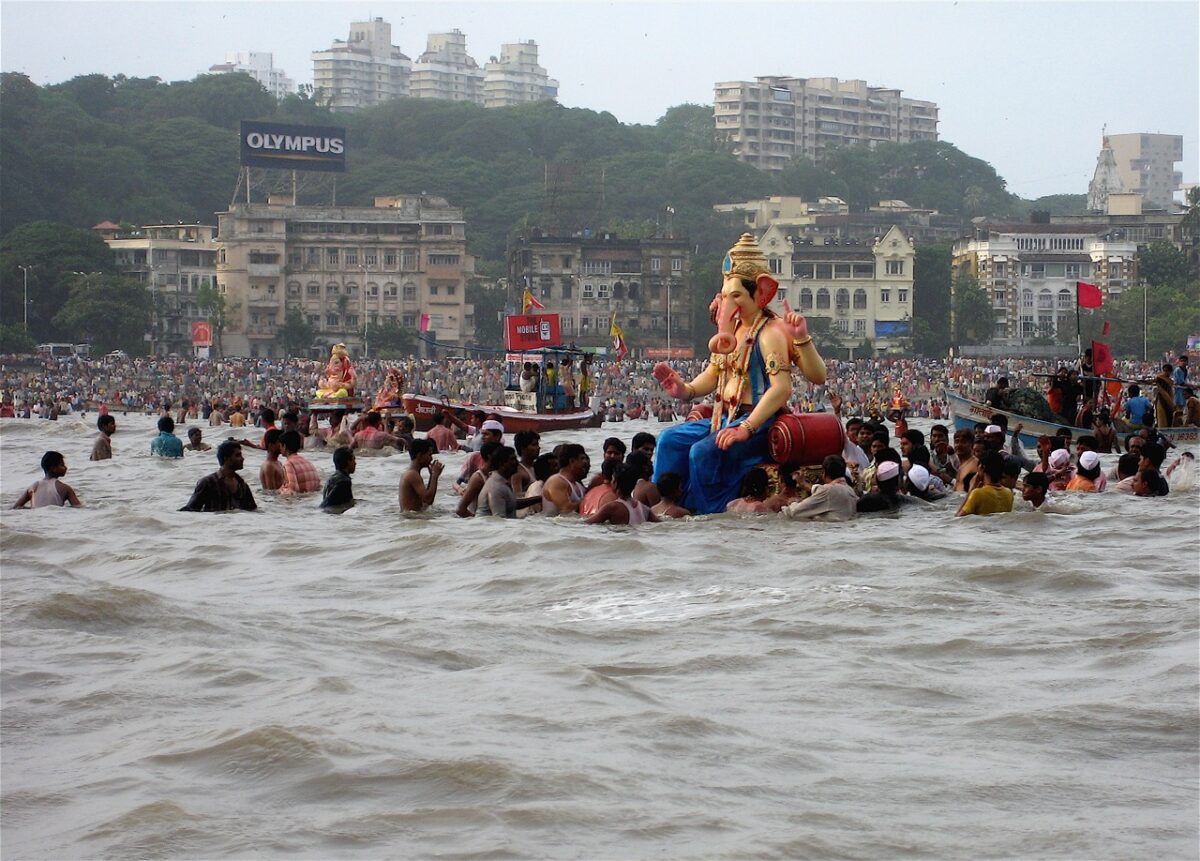
One of the most widely celebrated festivals during the monsoon is Ganesh Chaturthi, which typically falls in August or September. This festival marks the birth of Lord Ganesha, the elephant-headed god revered as the remover of obstacles.
The festival is particularly grand in Maharashtra, especially in Mumbai, where elaborate idols of Ganesha are installed in homes and public spaces. The festivities last for ten days, culminating in a grand immersion process where devotees bid farewell to Ganesha with music, dance, and chants of “Ganpati Bappa Morya!”
Ganesh Chaturthi symbolizes new beginnings and prosperity, making it an auspicious time for starting new ventures.
Ganesh Chaturthi, a vibrant Hindu festival, is celebrated with great enthusiasm during the monsoon season. It commemorates the birth of Lord Ganesha, the elephant-headed god of wisdom and prosperity.Devotees bring home clay idols of Ganesha and worship them for ten days with offerings of sweets, flowers, and prayers.The festival culminates in a grand procession where the idols are immersed in water bodies, symbolizing the return of Ganesha to Mount Kailash. Ganesh Chaturthi is the most important festival in monsoon season in India.
2. Janmashtami
Janmashtami, a vibrant Hindu festival, often coincides with the monsoon season in India, adding a special charm to the celebrations. This auspicious occasion commemorates the birth of Lord Krishna, the eighth avatar of Vishnu.
The festival is marked by a variety of rituals and traditions. Devotees observe strict fasts, breaking them only after midnight when Lord Krishna is believed to have been born. Homes are adorned with lights, flowers, and intricate rangoli designs. Special prayers and devotional songs, known as “bhajans” and “kirtans,” are sung throughout the night.
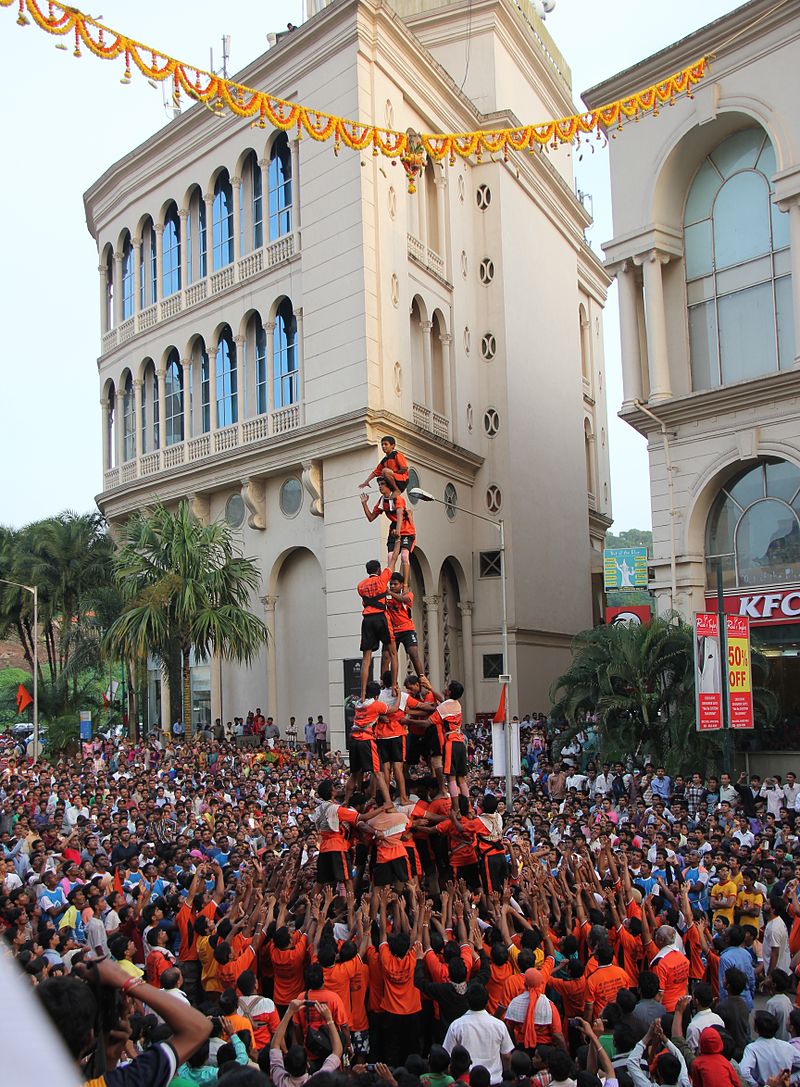
One of the most popular customs associated with Janmashtami is the Dahi Handi festival. Young men form human pyramids to reach and break pots filled with curd, symbolizing Krishna’s playful nature. This thrilling spectacle attracts large crowds and is a highlight of the festivities.
The monsoon season, with its cool, refreshing showers, creates a serene backdrop for the spiritual celebrations of Janmashtami. The combination of religious fervour, cultural traditions, and the beauty of the rainy season makes this festival a truly unforgettable experience.
This celestial event commemorates the birth of Lord Krishna, the eighth avatar of Vishnu. Devotees observe fasts, decorate their homes with lights and flowers, and participate in various rituals. A highlight of the celebrations is the Dahi Handi festival, where young men form human pyramids to break pots filled with curd, symbolizing Krishna’s playful nature. The festival’s vibrant atmosphere, coupled with the romanticism of the monsoon, creates a truly enchanting experience.
3. Teej
Primarily celebrated in Rajasthan and other northern states, Teej occurs between August and September. This festival is dedicated to Goddess Parvati and symbolizes her reunion with Lord Shiva after a long separation.
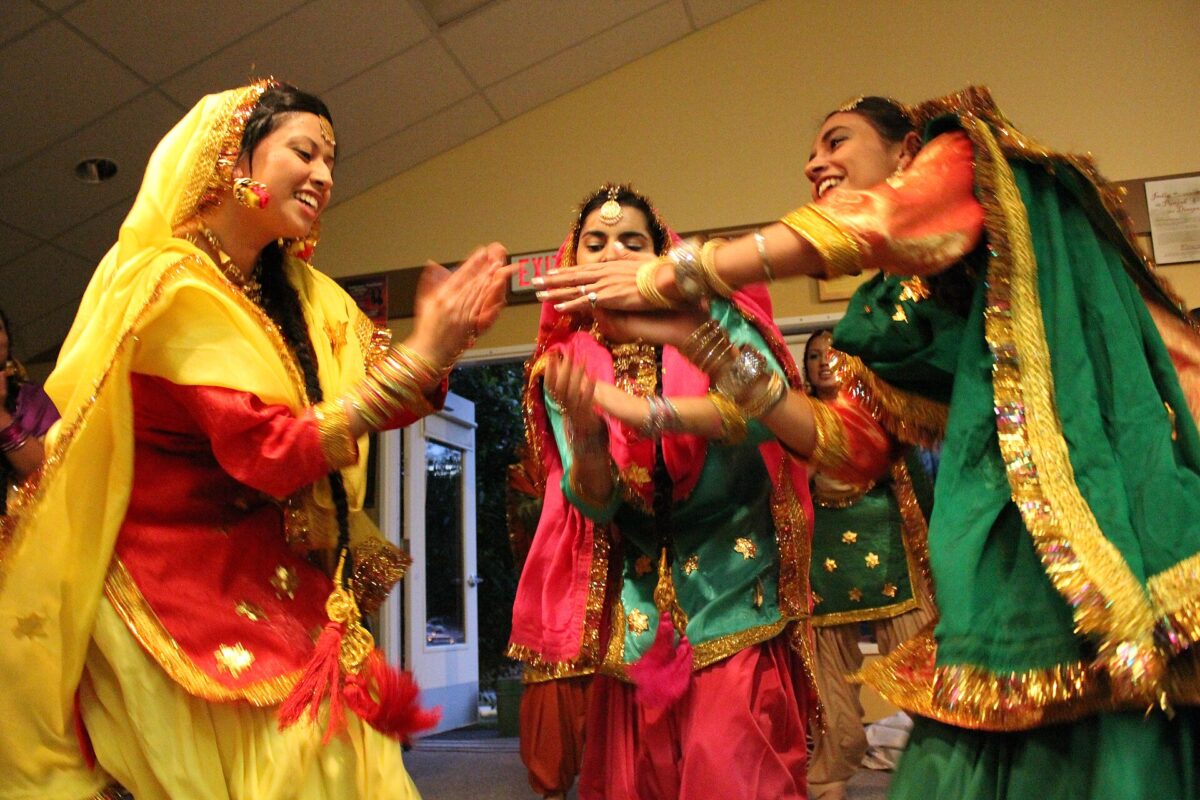
The festival is marked by various rituals and customs. Women often observe strict fasts, praying for the well-being and longevity of their husbands. They adorn themselves in colourful traditional attire, often wearing green and red, and adorn their hands with intricate henna designs.
One of the most significant aspects of Teej is the singing of folk songs, known as “Teej Geet.” These songs narrate tales of love, devotion, and the beauty of nature. Women gather together to sing these songs, often accompanied by musical instruments like the dhol and the clapper.
Another popular tradition associated with Teej is swinging on swings, which symbolizes the swaying of nature during the monsoon season. Women, especially young girls, enjoy swinging on beautifully decorated swings, adding to the festive atmosphere.
The celebration of Teej is not just a religious observance but also a cultural extravaganza. It reflects the deep-rooted traditions and values of Indian society, making it a cherished festival for women across the country.
4. Nag Panchami
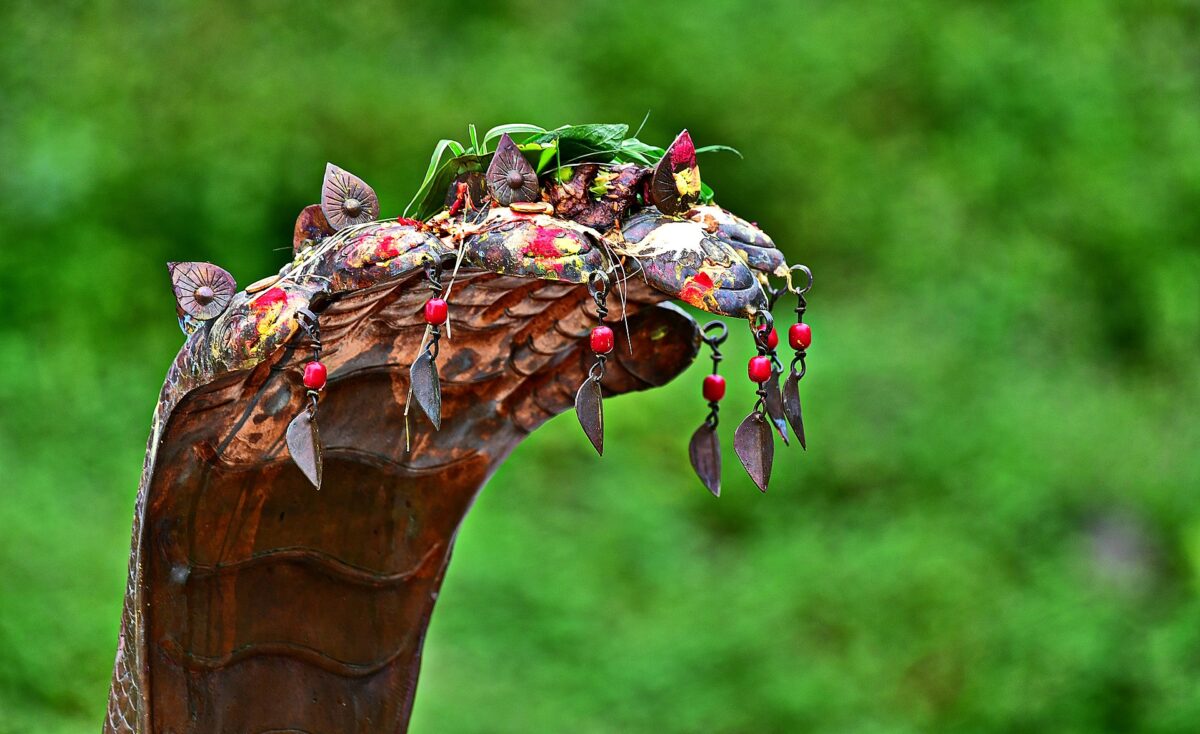
Nag Panchami, celebrated on the fifth day of Shukla Paksha in Shravan month (July-August), is a unique festival dedicated to worshipping snakes. Nag Panchami, a significant Hindu festival, often coincides with the monsoon season in India. This day is dedicated to the worship of snakes, particularly the Nagas, mythical serpent beings. The festival holds deep religious and cultural significance, symbolizing the reverence for nature and its creatures.
Devotees offer milk and flowers to snake idols and visit temples dedicated to Nag Devta (the serpent god). Folk dances and performances by snake charmers are common during this time. On Nag Panchami, devotees offer prayers and worship snakes, either real or symbolic. They believe that by appeasing the Nagas, they can protect themselves from harm and ensure prosperity. Special pujas are performed in temples and homes, where images or idols of snakes are adorned with flowers and milk.
The festival is rooted in mythology, symbolizing protection from snake bites and honouring the sacredness of snakes in Hindu culture. One of the key rituals associated with Nag Panchami is the offering of milk to snakes. Devotees pour milk on anthills, believing that it will reach the Nagas residing beneath the ground. This act is considered a gesture of respect and gratitude.
The monsoon season, with its lush greenery and abundant rainfall, provides an ideal setting for the celebration of Nag Panchami. The festival’s association with nature and its emphasis on ecological balance make it a unique and meaningful event.
5. Onam
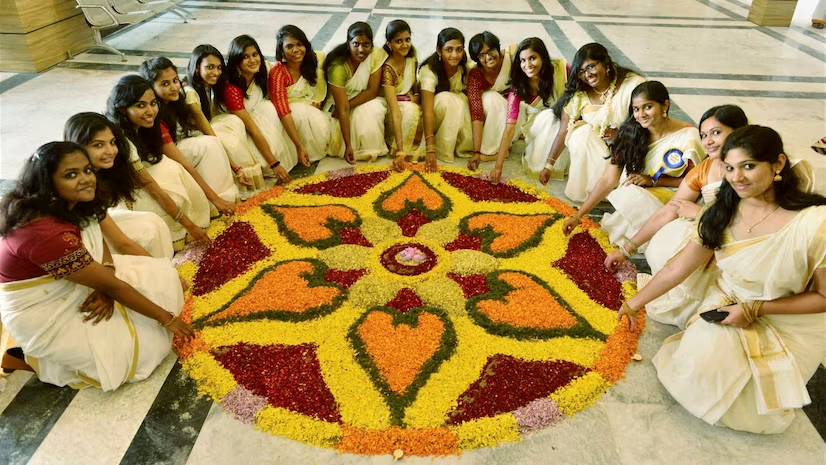
While primarily associated with Kerala’s harvest season, Onam also coincides with the monsoon period. Celebrated over ten days in August or September, it marks the homecoming of King Mahabali. The festival features elaborate feasts known as Onam Sadhya served on banana leaves, traditional dances like Thiruvathira Kali, and floral decorations called Pookalam. Onam represents unity and prosperity, bringing families together to celebrate abundance.
Onam, the vibrant harvest festival of Kerala, is intricately tied to the state’s monsoon season. The festival, celebrated with great pomp and joy, coincides with the receding monsoon, a time when the lush greenery of Kerala reaches its peak.
The monsoon rains, vital for Kerala’s agriculture, nourish the paddy fields, transforming them into emerald carpets. This bountiful harvest forms the core of Onam celebrations. The festival’s centerpiece, the floral carpet or ‘Pookalam,’ is a visual representation of this agricultural prosperity.
The monsoon season also brings relief from the summer heat, creating a pleasant climate ideal for outdoor festivities. The cool, misty air adds to the charm of Onam, making it a truly refreshing experience.
However, the monsoon season in Kerala can also be unpredictable, with heavy rainfall and occasional floods. While these climatic conditions can sometimes disrupt the celebrations, they also contribute to the unique character of Onam. The festival’s resilience in the face of nature’s challenges is a testament to the spirit of Kerala and its people.
6. Saputara Monsoon Festival
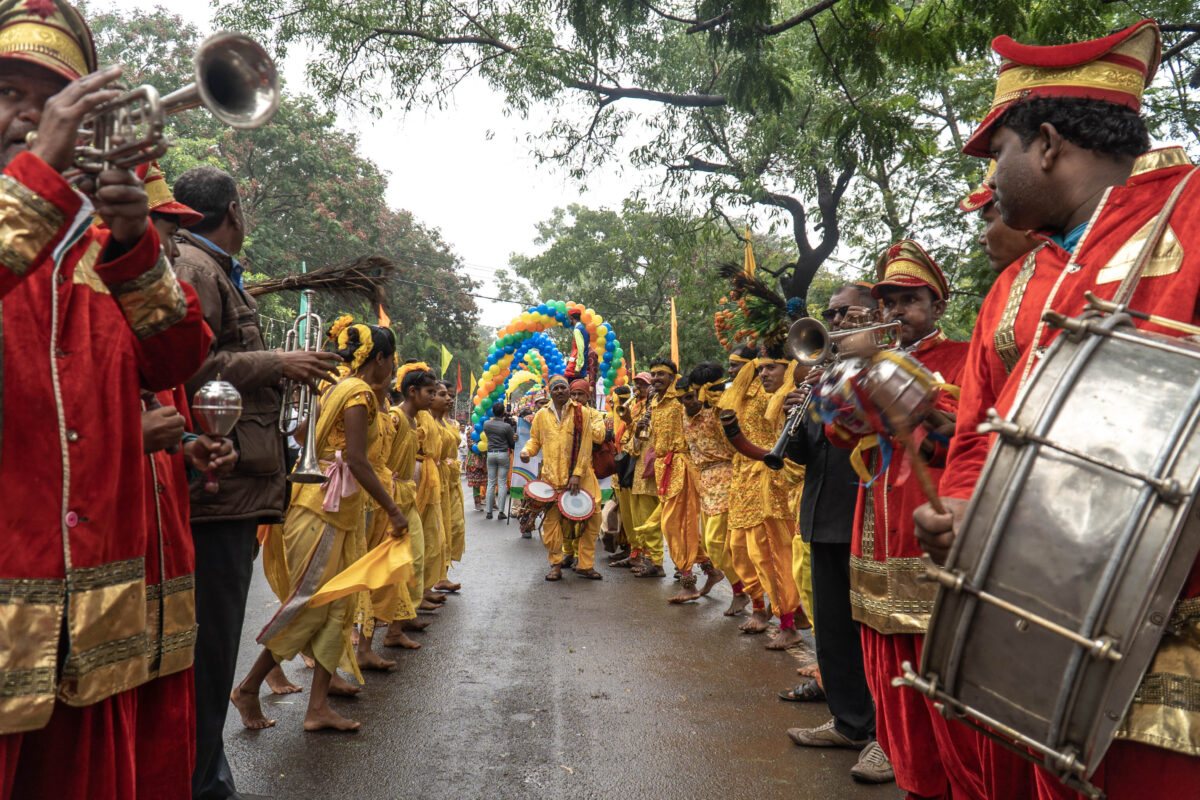
Held annually in Gujarat during August, the Saputara Monsoon Festival promotes tourism while showcasing local culture.
The Saputara Monsoon Festival, also known as Megh Malhar Parva, is a vibrant celebration held annually in the picturesque hill station of Saputara, Gujarat. This festival is a delightful blend of nature, culture, and adventure, attracting visitors from far and wide.
A vibrant cultural performance at the Saputara Monsoon Festival
Beyond adventure, the festival showcases the rich cultural heritage of Gujarat. Colorful cultural performances, including traditional tribal dances and folk songs, captivate the audience. Local artisans display their exquisite handicrafts, offering a glimpse into the region’s artistic traditions. Food enthusiasts can savor delicious Gujarati delicacies, from savory snacks to sweet treats.
The festival also features various competitions, such as boat races and photography contests, adding to the excitement. In the evenings, visitors can gather around bonfires, sharing stories and enjoying the cool, misty air.
The Saputara Monsoon Festival is more than just an event; it’s an immersive experience that allows visitors to connect with nature, culture, and adventure. Whether you’re an adrenaline junkie or a nature lover, this festival offers something for everyone.
7. Karam Festival
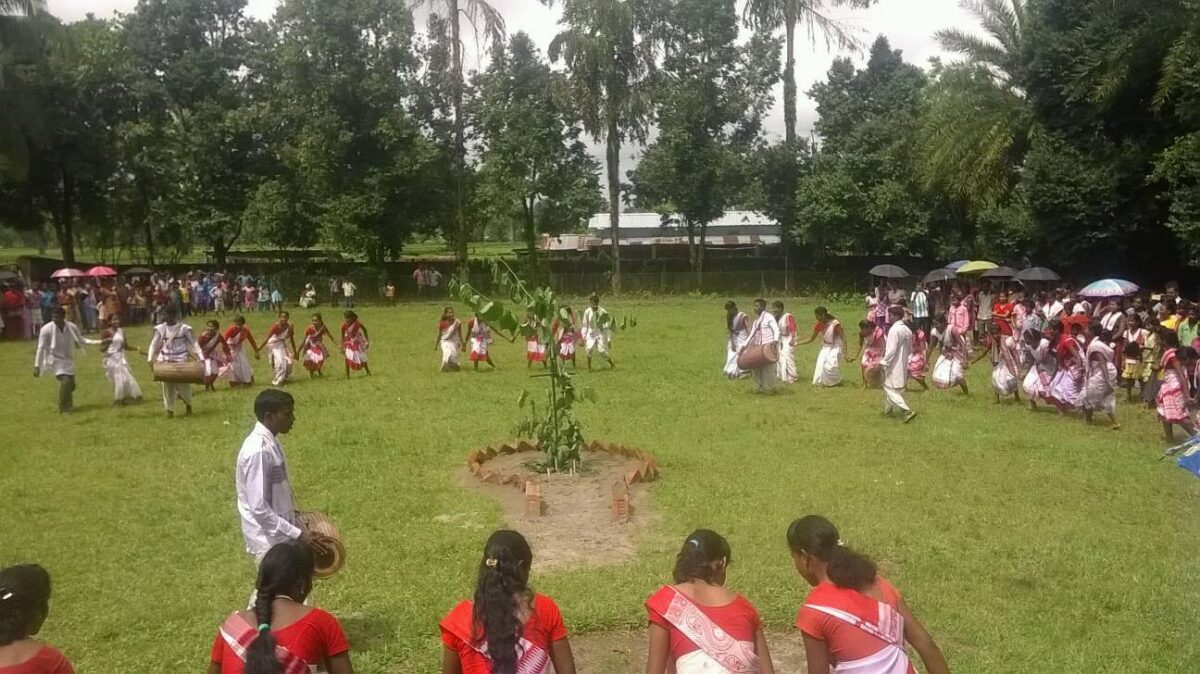
The Karam Festival, celebrated mainly in Jharkhand, Bihar, Madhya Pradesh, and Chhattisgarh during August or September, honors Karam Devta (the god of power). Devotees gather around Karam(Sal) trees decorated with flowers and fruits while singing folk songs and dancing.
The monsoon season, a time of rejuvenation and growth, holds immense significance for these tribal communities. The lush green forests, filled with blooming Sal trees, provide the perfect backdrop for the Karam celebrations. The festival is often held during the rainy season, when the Sal trees are in full bloom, symbolizing prosperity and fertility.
Young women dancing around a decorated Sal tree during the Karam Festival
The Karam festival is a multi-day event filled with various rituals and traditions. Devotees, especially young women, observe fasts and offer prayers to the Karam deity. They decorate themselves with flowers, especially the Sal flower, and dance around the decorated Sal tree. The dance, known as “Karma Naach,” is a vibrant and energetic performance, reflecting the joy and exuberance of the festival.
The Karam festival is not just a religious observance but also a social occasion. It brings people together, fostering a sense of community and shared cultural heritage. The festival also plays a crucial role in preserving the rich traditions and customs of the tribal communities.
The festival expresses gratitude for a good harvest while promoting community bonding.
8. Behdienkhlam
The Behdienkhlam festival, a vibrant celebration of the Pnar tribe in Meghalaya, is deeply connected to the monsoon season. This colorful and energetic festival is held to appease the gods and ensure a bountiful harvest.
The monsoon season, with its lush greenery and abundant rainfall, is a significant time for the Pnar people. The festival is believed to cleanse the land and drive away evil spirits, paving the way for a prosperous year. The word “Behdienkhlam” itself translates to “to drive away the plague.”
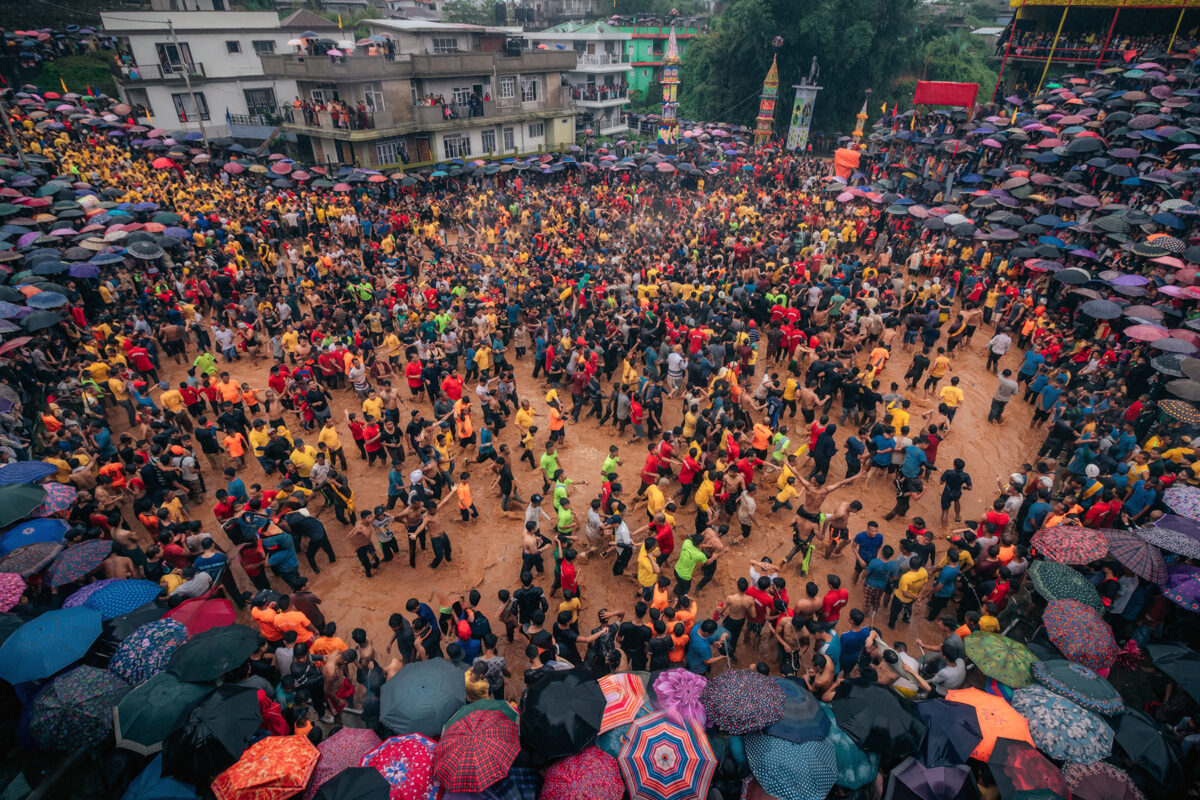
A colorful procession of people celebrating the Behdienkhlam festival
The festival is marked by a series of colorful rituals and performances. One of the most striking aspects of the festival is the procession of decorated poles, carried by young men, which are eventually immersed in a sacred pool. This symbolizes the purification of the land.
Traditional dances, including the “Shad Suk Mynsiem,” are performed with great enthusiasm. The dancers, adorned in colorful attire, move rhythmically to the beats of drums and cymbals. The festival also includes various sports and games, such as tug-of-war and football, adding to the festive atmosphere.
Behdienkhlam is a testament to the rich cultural heritage of the Pnar tribe. It is a time for community bonding, religious devotion, and cultural expression. The festival’s vibrant colors, energetic performances, and deep spiritual significance make it a truly unforgettable experience.
It reflects the deep connection between nature and tribal culture while emphasizing communal harmony.
Conclusion
The monsoon season in India is not merely a climatic phenomenon; it is a vibrant backdrop for numerous festivals that celebrate life’s joys and cultural heritage. Each festival brings communities together to honor deities, express gratitude for nature’s bounty, and reinforce social bonds. Whether it’s through music, dance, delicious food or elaborate rituals, these celebrations reflect the spirit of resilience and joy that characterizes Indian culture during this enchanting season. Embrace the magic of these festivals as they illuminate the rainy days with color and festivity!
* * All the Notes in this blog, are referred from Tamil Nadu State Board Books and Samacheer Kalvi Books. Kindly check with the original Tamil Nadu state board books and Ncert Books.