Local government in India Upsc

Local government in India

Local government in India is a crucial aspect of the country’s governance structure. It refers to the elected bodies at the village, district, and intermediate levels that are responsible for delivering basic services and amenities to the local population.

Structure:

  • Rural: Panchayati Raj Institutions (PRIs) – Village Panchayats, Block Samitis, and Zilla Parishads
  • Urban: Municipalities – Municipal Corporations, Municipalities, Notified Area Committees, etc.

Functions:

  • Rural: Agriculture, education, healthcare, sanitation, water supply, etc.
  • Urban: Similar to rural areas, plus additional responsibilities like urban planning, traffic management, etc.

Constitutional basis:

  • 73rd and 74th Constitutional amendments.

Challenges:

  • Limited financial autonomy: Local bodies often rely on state governments for funds.
  • Lack of capacity: Elected representatives may not have the expertise or resources to handle complex issues.
  • Political interference: State governments can sometimes exert undue influence on local bodies.

Importance:

  • Grassroots democracy: Provides a platform for citizen participation and decision-making.
  • Development: Local bodies are best placed to understand and address local needs.
  • Accountability: Brings government closer to the people and makes it more accountable.

Examples of successful local government initiatives:

  • Kerala’s Kudumbasree program: Empowering women through microfinance and social development.
  • Indore’s Swachh Bharat Abhiyan: Transforming sanitation and waste management.
  • Bhubaneswar’s Mo Cycle: Promoting sustainable mobility through cycling infrastructure.

Strength and Sustenance of Local Institutions in India

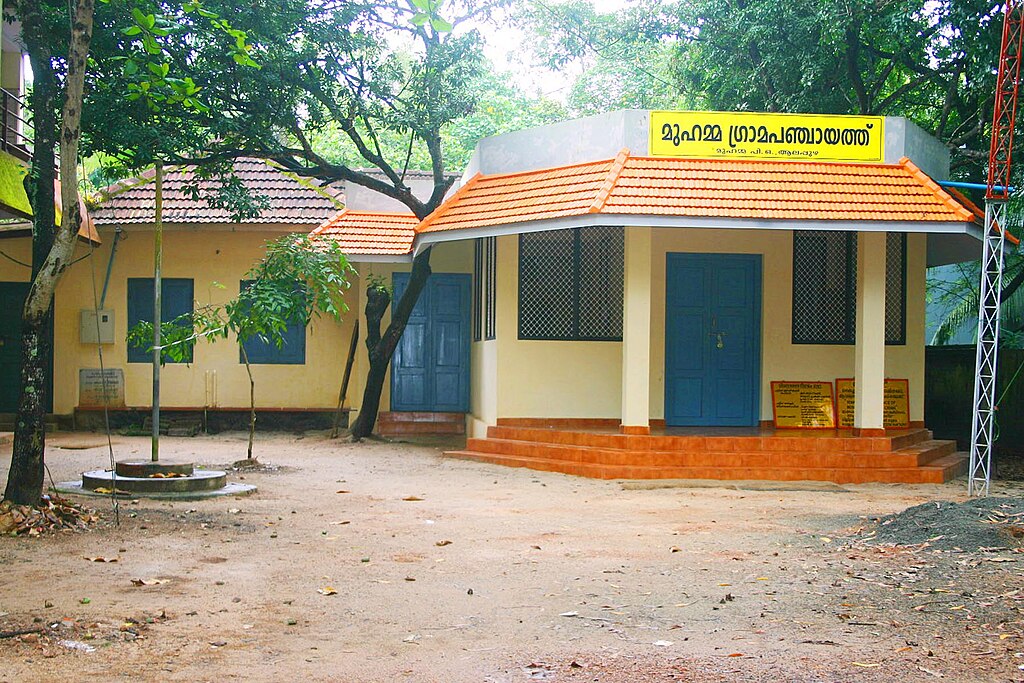
Local institutions, particularly Panchayati Raj Institutions (PRIs) and Urban Local Bodies (ULBs), are the backbone of rural and urban India. Their strength and sustenance are crucial for effective governance, inclusive development, and grassroots democracy.
Strength and Sustenance of Local Institutions in India

Strengths:

  • Decentralization: Local bodies bring decision-making closer to the people, addressing specific needs and aspirations.
  • Citizen participation: They provide platforms for citizen engagement, fostering a sense of ownership and responsibility.
  • Social diversity: Reflecting local communities, they ensure the representation of various groups and address their concerns.
  • Flexibility: Local bodies can adapt their approaches and programs to suit local contexts and challenges.
  • Innovation potential: They can experiment with new solutions and best practices, contributing to wider development discourses.

Challenges:

  • Limited financial autonomy: Dependence on state governments for funds hinders their ability to implement programs effectively.
  • Capacity building: Elected representatives and officials may lack the necessary skills and knowledge to manage complex issues.
  • Political interference: State governments can exert undue influence, undermining local autonomy and decision-making.
  • Corruption: Practices like nepotism and resource misallocation can erode public trust and hamper development.
  • Social inequalities: Existing power structures can marginalize certain groups within communities, limiting their participation and benefits.

Sustenance strategies:

  • Financial empowerment: Devolving more financial resources and exploring alternative funding mechanisms like local taxation.
  • Capacity building: Investing in training and development programs for elected representatives and officials.
  • Decentralization reforms: Strengthening local autonomy and reducing state control over decision-making and resources.
  • Transparency and accountability: Implementing mechanisms like public audits, citizen feedback, and Right to Information Act.
  • Social inclusion: Promoting representation of marginalized groups and ensuring their voices are heard and addressed.
  • Leveraging technology: Utilizing digital platforms for service delivery, citizen communication, and data-driven decision-making.

Father of local self-government in India

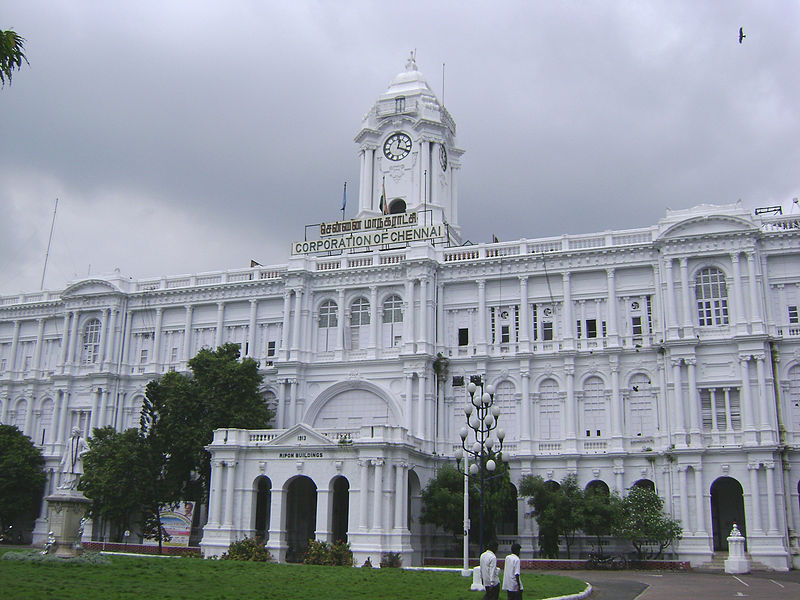
Lord Ripon, the Viceroy of India from 1880 to 1884, is widely regarded as the “father of local self-government” in India. His landmark Resolution on Local Self-Government in 1882 laid the foundation for the development of Panchayati Raj institutions (PRIs) and urban local bodies (ULBs) in India.

Key contributions:

  • Introduced the concept of local self-government: Ripon believed that Indians were capable of managing their affairs and that decentralization was essential for good governance.
  • Established elected local bodies: His resolution mandated the creation of elected village panchayats, district boards, and municipal councils.
  • Defined their powers and responsibilities: He outlined specific functions for these bodies, including education, healthcare, sanitation, and infrastructure.
  • Promoted citizen participation: He encouraged citizens to actively engage in local decision-making and hold their elected representatives accountable.

Impact:

  • Empowered local communities: PRIs and ULBs provided a platform for citizens to voice their concerns and participate in shaping their communities.
  • Improved service delivery: Local bodies became more responsive to local needs, leading to better provision of basic services.
  • Reduced bureaucratic control: Decentralization streamlined administration and made it more efficient.
  • Laid the foundation for democracy: Local self-government served as a training ground for democratic participation, paving the way for India’s independence.

Challenges:

  • Limited autonomy: PRIs and ULBs often remained financially dependent on state governments, hindering their full potential.
  • Inadequate capacity building: Elected officials and staff lacked the necessary skills and knowledge to effectively manage their responsibilities.
  • Social inequalities: Traditional power structures within communities sometimes marginalize certain groups, limiting their participation and benefits.

Evolution of local self-government in India

The evolution of local self-government in India is a fascinating journey, marked by both progress and setbacks. Here’s a timeline highlighting key milestones:

Early Efforts (Pre-Colonial):

  • Ancient India: Village councils (Sabhas) existed, emphasizing community participation and collective decision-making.
  • Medieval Period: Various forms of self-governing units like guilds and Panchayats existed, reflecting local socio-political structures.

Colonial Era (18th-20th Centuries):

  • 18th Century: British East India Company established rudimentary local bodies for revenue collection and administration.
  • 19th Century: Growing demand for self-rule led to initiatives like:
    • Lord Ripon’s Resolution of 1882: Considered the “Magna Carta of Local Self-Government,” it mandated elected local bodies with defined powers.
    • Acts like the Local Self-Government Act of 1885: Established village panchayats and municipal committees in various provinces.
  • 20th Century: Further expansion and experimentation with local bodies, including:
    • The Government of India Act of 1919: Granted provinces the power to legislate on local self-government.
    • Committees like the Balwantray Mehta Committee (1957) and the Ashok Mehta Committee (1977): Advocated for stronger PRIs and ULBs.

Post-Independence (1947-Present):

  • Constitution of India:
    • 73rd Amendment (1992): Granted constitutional status to PRIs (Panchayats) and defined their structure, powers, and responsibilities.
    • 74th Amendment (1992): Similar provisions for Urban Local Bodies (ULBs).
  • Decentralization efforts: Devolution of funds and powers to PRIs and ULBs, though progress varies across states.
  • Challenges: Limited financial autonomy, capacity-building needs, and social inequalities remain hurdles to full empowerment.
  • Recent initiatives: Programs like Swachh Bharat Abhiyan and Smart Cities Mission leverage local bodies for development.

Looking Ahead:

  • Continuous strengthening of PRIs and ULBs: Addressing financial autonomy, capacity building, and social inclusion.
  • Leveraging technology: Utilizing digital platforms for improved service delivery, citizen engagement, and data-driven decision-making.
  • Evolving role in urban planning and development: Managing growing urban populations and infrastructure needs.

Local self-government in India is a dynamic story, shaped by historical context, evolving needs, and ongoing efforts to empower communities and ensure inclusive development. Understanding its evolution is crucial for comprehending India’s complex democracy and its future trajectory.

Growth of local government in India

The growth of local government in India, particularly Panchayati Raj Institutions (PRIs) and Urban Local Bodies (ULBs), is a story of both progress and challenges. Here’s a closer look:

Progress:

  • Constitutional recognition: The 73rd and 74th Constitutional Amendments (1992) granted PRIs and ULBs constitutional status, legitimizing their role and responsibilities.
  • Increased representation: Reserved seats for women, Scheduled Tribes (STs), and Scheduled Castes (SCs) ensured broader participation and addressed historical marginalization.
  • Decentralization: Devolution of powers and resources from central and state governments to local bodies has empowered them in areas like education, healthcare, and infrastructure.
  • Empowerment of communities: Local decision-making allows communities to address their specific needs and priorities more effectively.
  • Success stories: Initiatives like Swachh Bharat Abhiyan and Smart Cities Mission showcase how empowered local bodies can drive positive change.
  • Capacity building: Training programs and initiatives are enhancing the skills and knowledge of elected representatives and officials.
  • Digital adoption: Technology is increasingly used for service delivery, citizen engagement, and data-driven decision-making in local bodies.

Challenges:

  • Limited financial autonomy: Dependence on state governments for funds hinders full autonomy and resource allocation flexibility.
  • Corruption: Unethical practices can undermine public trust and divert resources from development.
  • Capacity gaps: Some elected representatives and officials may lack the necessary skills and knowledge for effective governance.
  • Social inequalities: Power dynamics within communities can still marginalize certain groups, limiting their participation and benefits.
  • Political interference: State governments can sometimes exert undue influence, compromising local decision-making.
  • Varying progress across states: Implementation of decentralization reforms and local body empowerment differs significantly among states.

Overall:

Despite the challenges, the growth of local government in India is undeniable. PRIs and ULBs have become crucial players in development and governance, providing platforms for citizen participation and addressing local needs. However, continued efforts are needed to strengthen their financial autonomy, build capacity, address social inequalities, and minimize political interference.

Looking ahead:

  • Empowering local bodies through financial independence: Exploring alternative funding mechanisms and strengthening devolution processes.
  • Investing in capacity building: Continuous training and development programs for elected representatives and officials.
  • Promoting transparency and accountability: Mechanisms like public audits, citizen feedback, and Right to Information Act usage.
  • Addressing social inequalities: Ensuring marginalized groups have equal voice and opportunity to participate and benefit from local governance.
  • Leveraging technology for good governance: Utilizing digital platforms for efficient service delivery, citizen engagement, and data-driven decision-making.

The growth of local government in India is not just about administrative efficiency, but about empowering communities, ensuring inclusive development, and strengthening the roots of Indian democracy. By addressing the existing challenges and continuously fostering a culture of empowered local governance, India can unlock its full potential for sustainable and equitable progress.

Conclusion

In conclusion, the role of local government in India is pivotal in shaping the grassroots development of the nation. From municipal corporations to panchayats, these local bodies are the bedrock of governance, intimately connected to the daily lives of citizens. The decentralized approach empowers communities, fostering a sense of ownership and participation in the decision-making process. As the bridge between citizens and larger administrative structures, local governments play a crucial role in addressing local issues, ensuring effective service delivery, and promoting sustainable development. The evolving landscape of local governance in India reflects a commitment to democracy, inclusivity, and responsiveness to the diverse needs of its people. As we move forward, recognizing and strengthening the capacities of local governments will be instrumental in building a more resilient, accountable, and empowered India from the ground up.

Methods of acquiring citizenship in India Upsc

Methods of acquiring citizenship in India

The methods of securing Indian Citizenship are prescribed in the Indian Citizenship act,1955.

As per the Indian Citizenship Act 1955

  1. Citizenship by Birth- Every person born in India on or after January 26,1950 shall be a citizen of India by birth, provided the person father is not an enemy alien or a representative of diplomatic mission.
  2. Citizenship by Descent- A person born outside the Indian territory on or after January 26 ,1950 shall be citizen India by descent if his father or mother ( as amended in 1992) is a citizen of India at the time of birth, provided such birth is registered in any of Indian consolates.
  3. Citizenship by Registration-Many categories of persons, who have not acquired Indian citizenship so far, can acquire citizenship by registering themselves to that effect before the prescribed authority.Such categories of persons are
    1. Persons of Indian origin residing outside the territory of undivided India.
    2. Those persons of India origin who are ordinarily residents in India and have been so resident for 6 months immediately before making application for registration.
    3. Women who are married to citizen of india.
    4. Children of Indian Citizen and
    5. Adult citizen of UK, Canada, Australia,New Zealand, South Africa, Pakistan, Cylone, Zimbabwe, Nyasiland and Republic of Ireland.

A person of Indian origin means any person who himself or either of his parents or his grandparents is born in undivided India.

4. Naturalisation– A foreign citizen not covered by any of the above methods, can get Indian Citizenship on the application of Naturalisation to the government of India; with the following conditions:

  • He shall not be citizen of a country, with respect to which Government of India has prohibited Naturalisation;
  • He has surrendered the Citizenship of his country;
  • He has been ordinarily resident in India for atleast one year before making application or has been in the service under the Indian Government.
  • He has been a resident of India for 7 years or has been in the service for four years under the government of India just before the one year period mentioned above.
  • He bears a good moral character
  • He has knowledge of any of the Indian languages mentioned in the Eighth schedule of the constitution of India; and
  • after getting Naturalisation, he intends to reside in India or to serve under the government of India.

The government of India has the discretion to relax any or all the above conditions with respect to those applicants for Naturalisation who have made significant contributions in the field of art, literature, science, philosophy, world peace or human progress.

As amended in 1985, this provision of relaxing the above condition is also applicable with respect to persons applying for Indian citizenship under Assam Agreement.

5. Citizenship by Incorporation of Territory- If any new territory becomes part of India, the Government of India shall specify as to which person of that territory shall be a citizen of India.

Only such specified person shall be a citizen shall be given citizenship of India.

Amendment in the Citizenship Act- Parliament amended the Citizenship Act 1955 in 1992 to make Provisions that the child born outside India shall also be a citizen of India if the mother of such a child is a citizen of India.

Before this amendment, only that child was entitled to get Indian Citizenship whose father was a citizen of India.

Here’s a table outlining the methods of acquiring citizenship in India, based on the provisions of the Indian Citizenship Act, 1955:

Method of Acquiring CitizenshipDescriptionConditionsDocuments Required
By BirthA person born in India automatically acquires Indian citizenship.– Born in India after January 26, 1950.
– Person’s parents are not foreign diplomats or enemy aliens.
Birth certificate, proof of parents’ nationality, and residence status.
By DescentA person born outside India to Indian parents can acquire citizenship.– At least one parent must be an Indian citizen at the time of birth.
– The birth must be registered with an Indian consulate.
Birth certificate, parents’ Indian citizenship proof, and consulate registration.
By RegistrationForeign nationals can acquire Indian citizenship by registering with the government.– Must have resided in India for 7 years immediately before applying.
– Must be of full age and capacity.
Proof of continuous residence, application form, personal details, and character certificate.
By NaturalizationForeign nationals can acquire citizenship by naturalization.– Must have resided in India for 12 years in the 14 years preceding the application.
– Must be able to speak one of the Indian languages.
Proof of residence, language proficiency, and legal documents establishing stay.
By AnnexationA person in a territory annexed by India may acquire citizenship.– Must be a person residing in a territory annexed to India.Evidence of residence in the annexed territory, annexation documents, and citizenship registration.
By MarriageA foreign woman married to an Indian citizen can acquire citizenship.– Must have been married to an Indian citizen for at least 7 years.
– The woman must declare her intent to stay in India permanently.
Marriage certificate, husband’s proof of Indian citizenship, and residence proof.

Sources

  1. https://ncert.servloci.in/2011/09/q-what-are-provisions-for-securing_5416.html


Consumer protection forums in India and forms of consumer exploitation Tnpsc

To Learn about Consumer Protection Forums, ways in which consumer gets exploited, COPRA, Public Distribution system, RTI and consumer protections systems across the world.

This article deal with Consumer Protection, Consumer Rights and way in which consumer is exploited. The consumer is one who gives the final user of commodity, consumer pay for product or service. Sometimes the consumer gets cheated by the seller or company by providing a poor quality product or poor service or changes price higher than the actual.

consumer protection
Consumer Exploitation and Consumer Rights

Forms of Consumer Exploitation

tamil nadu nugarvor kavasam
Tamil Consumer Protection / Tamil Nadu nugarvor kavasam

The consumer got many services in the economy such as insurance, transport, electricity, finance, and banking.The demand for services and good are influenced mainly by advertisement. The companies spend a lot of capital towards advertisement to attract consumers and feed the information to the customer about the products but not information consumer needs to know.

When the consumer does not proper information about the product or service, the consumer gets exploited and harassed at times by the business people.

Consumers are exploited by traders and manufacture in different ways, which are as follows:

  • Goods not measured or weighted Properly, Goods are off sub-standard quantity, Selling the medicine beyond expiry date.
  • Defective home appliances are sold, Pricing the goods and services higher than the retail price, Selling duplicate products in the name of the original.
  • These are some common ways by which the customer gets exploited. The right of the consumer is protected by enacting certain rules and regulations established by Indian law.

Consumer Protection and Rights

Right to be protected against the marketing of goods and services that are dangerous to life and property. Proper information regarding the quantity, quality, potency, purity, adherence to national and international standards, and price of goods.

Assurance of access to goods and services at a competitive price. In the case of a single supplier, the right to quality and service at a fair price. The consumer’s interests should receive due consideration at appropriate forums relating to the consumer’s welfare.

To seek redresses against unfair trade practices and exploitation, when the consumer gets affected and the customer has the right to a fair settlement.

RTI Act

The Right to information act was passed on 12th October 2005, as a fundamental right of the citizen to access information from all public bodies.

The main objective of the RTI Act

To promote accountability and transparency to citizens to the information of public bodies. RTI covers all levels of Governments such as State, Central, District, Local Self Governments, etc. It also all NGOs, VO, and other private bodies that are partially or fully financed with public funds. Every information or record held by these bodies is accessible to every citizen via the RTI act.

RTI is not mentioned in the fundamental right of the constitution. But the parliament passed the Act to enable as a fundamental right to all the citizens.

Consumer Protection Measures

The government adopted three strategies to protect the consumers, Legislative measure-Enactment of consumer Protection Act, Administrative measure Distributing essential commodities through Public Distribution systems(PDS) and Technical measure Standardization of the product.

a. Legislation Concerning Consumer Rights

Consumer Protection act in 1986

The Consumer Protection act in 1986 was enacted by the government. According to this act, setting up separate Departments of Consumer affairs in Central and state governments.

That act exclusively focuses on consumer protection as enacted by the government. A most important feature of the act is the three-tier system known as the Consumer court at national, state, and district levels.

Consumer protection act 2019

The Consumer Protection Act, 2019 was enacted in India to enhance consumer rights and establish a robust framework for resolving consumer disputes. This Act replaces the previous Consumer Protection Act of 1986, addressing modern challenges posed by e-commerce and digital transactions.

Key features of the Act include:

  • Expanded Definition of Consumer: The definition now encompasses individuals purchasing goods or services online, thus broadening the scope to include various transaction methods, including direct selling and multi-level marketing.
  • Central Consumer Protection Authority (CCPA): This regulatory body is empowered to investigate violations, enforce consumer rights, and impose penalties on misleading advertisements and unsafe products.
  • Consumer Rights: The Act emphasizes six fundamental rights, including the right to safety, information, choice, representation, redressal, and education. These rights aim to protect consumers from hazardous goods and unfair trade practices.
  • E-Filing and Mediation: Consumers can file complaints electronically, and mediation is encouraged as an alternative dispute resolution method, facilitating quicker resolutions.
  • Product Liability: The Act introduces provisions for holding manufacturers accountable for defective products or services, enhancing consumer protection against substandard goods.

National Level

National consumer commission in Delhi, Apex court under the Consumer Protection Act 1986

State Level

At the state level, it is State consumer commission

District Level

At the district level, it is the District forum.

Legal formalities for filing a complaint

There are no legal formalities for filing a complaint. Anyone can file a complaint themselves if they are found cheated or exploited by a trader or manufacturer in the consumer court.

The consumer needs to write a complaint on white paper and attach the supporting documents such as guarantee or warranty card, cash invoice, etc along with the complaint and submit this to the district consumer court.

There is no necessity to go to a Lawyer or professional for legal assistance, the consumer themselves can plead the case.

b. Public Distribution System

The primary purpose of the Public Distribution System is to ensure food security for the poor. As a part of the administrative measure, the Public distribution system needs to be strengthened. Ill practices of traders such as hoarding, black marketing, and overcharging need to be prevented and enforced by law.

c. Standardization of Products

As a part of consumer protection from lack of quality and varying standards, government-created institutions, or bodies to make standards for goods and services and also enforcing them.

  • This Government of India created the institution name BIS(Bureau of Indian Standards) and Agmark. BIS frames standards for industrial and consumer goods. Agmark provides standards for agricultural products.
  • For International level standardization, an institution called ISO (International Organization for Standardization) which is located in Geneva serves to provide common reference standards.
  • ISO is a non-governmental organization established in 1947, published International standards based on international agreements.
  • For the International standard in Foods and Beverages, there is a standard called Codex Alimentation Commission.
  • Codex Alimentation Commission was created by the Food and Agriculture Organization (FAO) and the World Health Organization (WHO) located in Rome Italy.
  • It develops guidelines and standards for production and practices in international trade in food items.

India is observation 24th December as National Consumers Day to remember the day Consumer Protection Act passed in the parliament in 1986.

On the other hand World, Consumer Day is being observed on March 15, to remember the day in 1962 when the “Bill for Consumer Rights” moved in the US Congress.

The Father of the Consumer Movement is Ralph Nader, a consumer activist.

ralph nader consumer rights
Father of the Consumer Movement is Ralph Nader

Birth of COPRA

It is Magna Carta of consumer, which is the Consumer Protection Act (COPRA) in 1986.

Government of Tamil Nadu measure for Consumer Protection

Establishment of consumer clubs in educational institutions. Providing education through Women Self Help groups, Panchayat level federation for Rural masses.

Urban people through Resident Welfare Associations. General awareness through sectoral workshops and seminars.

By “Tamil Nadu Nugarvor Kavasam” magazine. Government advertisement through Radio, Television, and short video films.

Consumer Protection and Rights in Various Countries

United States

The USA passed various laws both at the federal and state levels.

Among them are the Federal Fair Debt Collection Practices Act, the Fair Credit Reporting Act, and Truth in Lending Act, etc.

United Kingdom

As a member of the European Union (EU), in 2016. UK is bound by consumer protection directives of the EU.

It also acts as UK’s official consumer and competition watchdog.

Germany

A minister of the federal cabinet is responsible for consumer rights and protection.

Uses of Consumer Act

To create Awareness, Social Concern- to make sure the products and services do not harm anyone and Environmental Concern

Causes due to Lack of Awareness

Consumers are exploited by attractive advertisements. Seller takes advantage of a lack of awareness of customers such as providing a scheme of exchange, gift, lotteries, etc. If the loss occurs the consumer cannot approach the court.

The people have no awareness of their rights and products.

Downloads

1.Consumer protection forums upsc ncert pdf notes

2.Consumer protection right upsc ncert pdf

* * All the Notes in this blog, are referred from Tamil Nadu State Board Books and Samacheer Kalvi Books. Kindly check with the original Tamil Nadu state board books and Ncert Books.