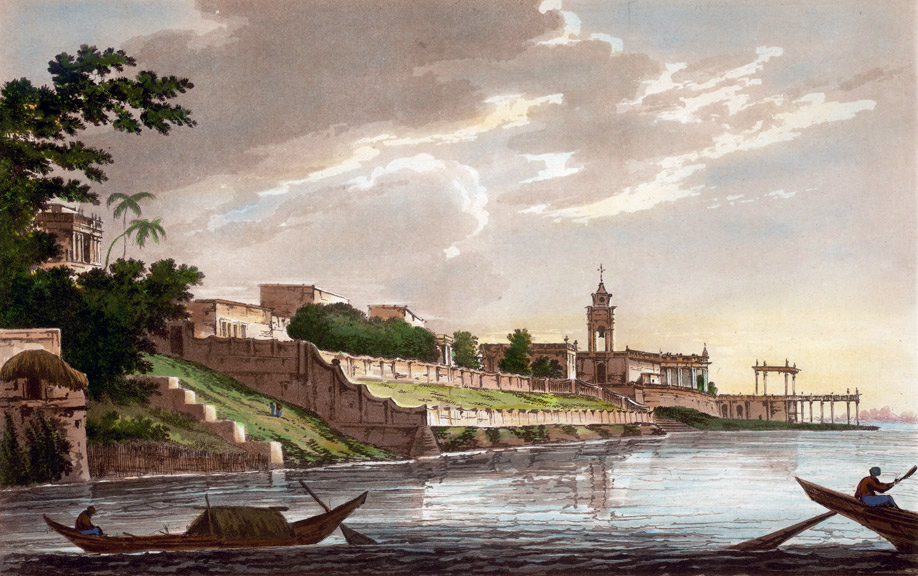
Arrival and Colonial Expansion:
- The Netherlands established colonies across Africa, Asia, the Americas, Australia, and many Pacific islands after conquering large parts of those regions.
- The Dutch arrived in India in the early 17th century.
- By the early 17th century, they were exploring trade possibilities in the Indian Ocean alongside other European powers.
- Growing numbers of Dutch travellers came to India after 1600.
Commercial Focus and Company Administration:
- Unlike the Portuguese, the Dutch focused primarily on commercial dominance, particularly in the spice trade.
- They operated through the Dutch East India Company.
- Like the French, and unlike the Portuguese, the Dutch did not much intervene in the social and religious life of Indians.
- They competed against other powers, including the French, Portuguese, and English, to secure woven cloth from weavers and supply merchants.
Trading Posts and Regional Presence:
- West Coast: Established trading posts at Surat, Bharuch, and Cochin (Kochi).
- East Coast: Established trading posts at Nagapattinam and Masulipatnam (present-day Machilipatnam).
- Malabar Region: Their most significant presence was in the Malabar region of Kerala, where they displaced the Portuguese from several trading centres.
Decline and Defeat at the Battle of Colachel:
- The Dutch presence in India was ultimately limited.
- It declined significantly following their decisive defeat at the Battle of Colachel in 1741.
- The Travancore forces under King Marthanda Varma decisively defeated the Dutch both on land and at sea (in the southern part of present-day Kerala).
- This battle represented a rare instance of an Asian power successfully repelling a European colonial force, culminating in the surrender of Dutch forces.
Dutch Individuals in India
- Francisco Pelsaert: A Dutch traveller who visited the subcontinent during the early decades of the 17th century; he observed widespread poverty among peasants, holding the state responsible.
- Francois Solvyn: A Dutch painter who arrived in India in the late 18th century and depicted everyday life, including a village pathshala.
Reference Ncert Documents
https://ncert.nic.in/textbook/pdf/hees104.pdf
https://ncert.nic.in/textbook/pdf/hess202.pdf
https://ncert.nic.in/textbook/pdf/hess206.pdf
https://ncert.nic.in/textbook/pdf/lehs301.pdf
