Biosphere is part of the earth where we exist. It consists of a highly integrated and interacting zone comprised of atmosphere, hydrosphere and lithosphere.
Biosphsre is absent in extremes of the north and south poles, highest mountains and deepest oceans. As it is hostile conditions that do not support life.
The biosphere is the region of Earth where life exists. It includes the land, water, and air, and extends from the highest mountaintops to the deepest ocean trenches. The biosphere is a thin layer compared to the Earth’s total size, but it is home to an incredibly diverse range of organisms.
The biosphere is made up of many different ecosystems, each with its own unique set of plants and animals. Ecosystems can be as small as a pond or as large as a rainforest. They can be found in all parts of the world, from the frigid Arctic to the scorching deserts.
The biosphere is a complex and interconnected system. All of the different ecosystems are linked together by the movement of energy and matter. The sun provides the energy that drives the biosphere, and this energy is passed from one organism to another through the food chain. Matter is also recycled through the biosphere, as organisms take in nutrients and release waste products.
The biosphere is essential for life on Earth. It provides the air we breathe, the water we drink, and the food we eat. It also helps to regulate the Earth’s climate. The biosphere is a fragile system, and it is important that we protect it.
Here are some of the threats to the biosphere:
Climate change: Climate change is causing the Earth’s temperature to rise, which is having a negative impact on many ecosystems. For example, rising temperatures are causing glaciers to melt, which is threatening the habitats of many plant and animal species.
Pollution: Pollution is another major threat to the biosphere. Air pollution, water pollution, and land pollution are all harming ecosystems around the world.
Overpopulation: Overpopulation is putting a strain on the biosphere. As the human population grows, we are demanding more resources from the Earth, which is putting a strain on ecosystems.
The UN General Assembly proclaimed 2021-30, as the UN Decade on Ecosystem Restoration. It calls for the protection and revival of ecosystems around the world for the benefit of nature, animals, and humans.
UN Decade on Ecosystem Restoration Upsc By Nick carson at English Wikipedia – Transferred from en.wikipedia to Commons., Public Domain, https://commons.wikimedia.org/w/index.php?curid=9959121
Definition
Ecosystem restoration is the process of assisting the recovery of a degraded, damaged ecosystem.
The Basic principle behind this is protecting biodiversity, improving animal-human health, increasing food security, water security, supporting climate change mitigation, adaptations, etc.
This is a massive scale project and it means to repair a billion hectares of land and wetland which are greater than the size of China, Canada, or the USA.
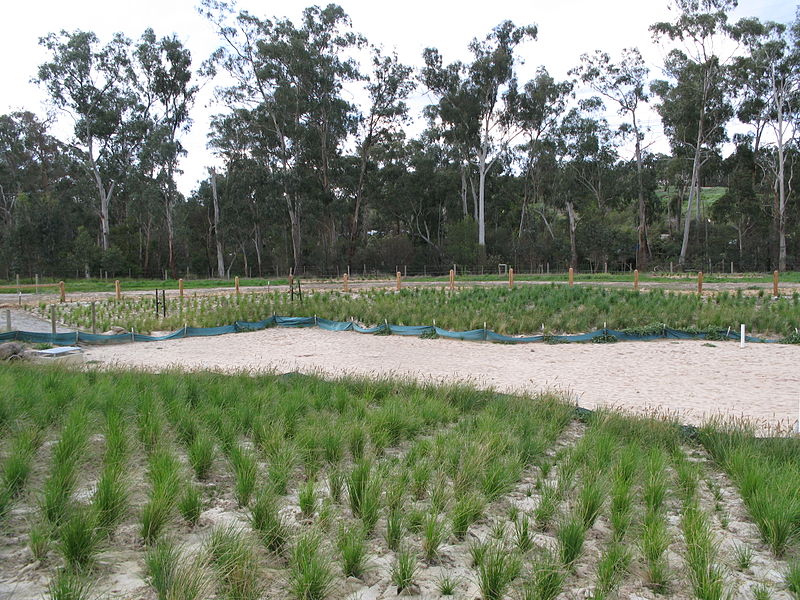
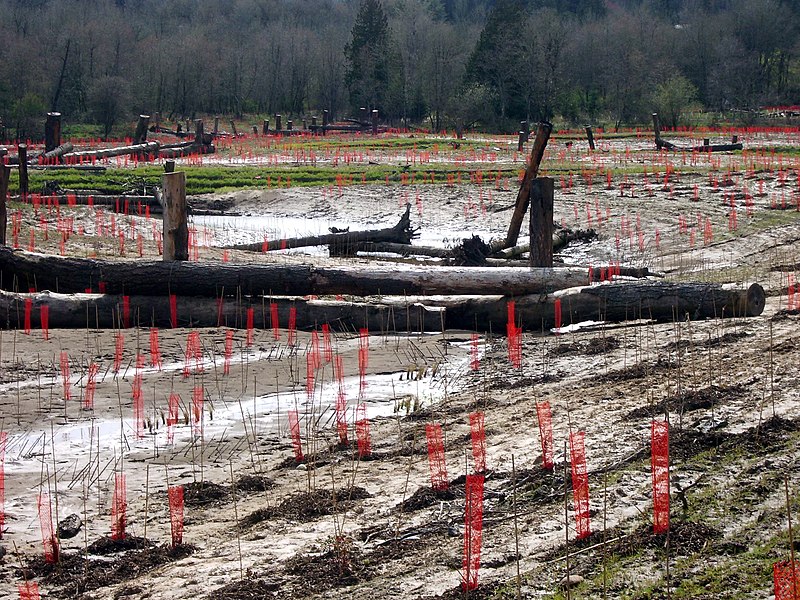
Ecological Restoration By EncMstr – Own work, CC BY-SA 4.0, https://commons.wikimedia.org/w/index.php?curid=3786372
Ways of Ecosystem Restoration
Reforestation
Removal of Non-Native Species and Weeds
Revegetation of disturbed area
Daylighting streams
Reintroduction of Native species
Erosion Control
Benefits of ecosystem restoration
Improvement the quantity and quality of forest and forest resources.
Enhancement in food and water security
Air quality improvement
Resilience of climate change
Increase in Job creation
Steps to Ecosystem restoration
Before the restoration process, it is important to remove the forces of disturbances that include cessation of mining or farming or erosion causes, removing of toxins from the soil, removal of exotic species.
Also repairing and replanting wetland, forestland, and other habitats.
Importance of Ecosystem Restoration
Restoration at a global scale is significant, as we as a whole tries to mitigate the extent of the ecosystem crisis that we face today. Also to protect the diversity, nature for future generations.
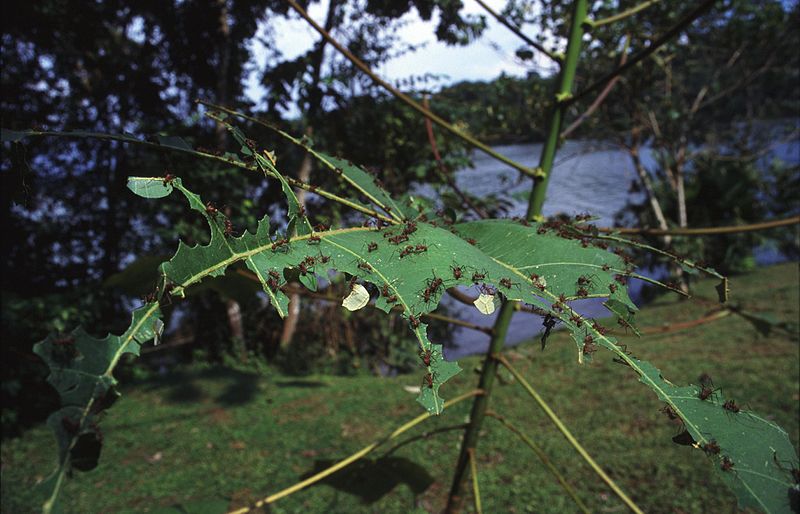
Decomposers in African Rainforest include termites, slugs, scorpions, worms, and fungi. These creatures thrive on the forest floor. The organic matter that falls from the trees onto the floor is broken down into nutrients by these creatures.
Decomposers in African Rainforest By Photographer: Christian R. Linder – Source: own photo, CC BY-SA 3.0, https://commons.wikimedia.org/w/index.php?curid=58335
Important of those are termites and leaf cutter ants. Between these termites are the more dominant decomposers.
Decomposers are a critical component of the African ecosystem, playing a vital role in nutrient cycling and the overall health of the environment. These unsung heroes of the food web break down dead organic matter, recycling essential nutrients back into the soil and fueling the growth of plants. They are found in a wide range of habitats across the continent, from the lush rainforests to the arid deserts.
The humid and warm conditions of African rainforests provide an ideal environment for a diverse range of decomposers. Fungi, bacteria, and invertebrates, such as termites, slugs, and millipedes, work tirelessly to break down fallen leaves, branches, and other organic matter. Leaf-cutter ants, for instance, transport large quantities of leaves back to their underground colonies, where they are decomposed by specialized fungi.
The African savanna, characterized by its grasslands and scattered trees, also harbors a variety of decomposers. Termites, in particular, play a vital role in breaking down grasses and other plant material. Their intricate underground tunnels help aerate the soil and improve its fertility. Dung beetles, with their remarkable ability to roll and bury animal dung, are also essential decomposers in the savanna ecosystem.
Decomposers in Africa are bacteria, fungi, earthworms, and inserts. The termites are effective in devouring and decomposing dead grasses in the African savanna and also aerate the soils.
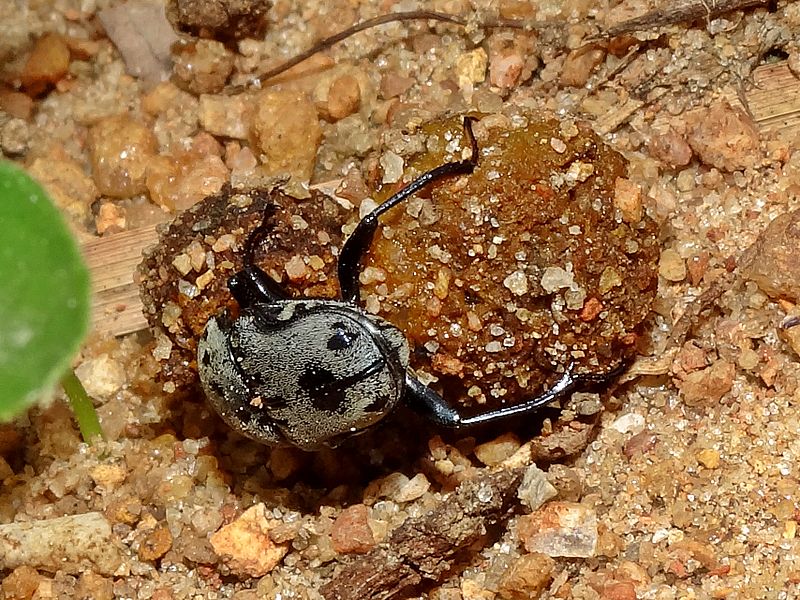
Decomposers in Africa By Sripathiharsha – Own work, CC BY-SA 3.0, https://commons.wikimedia.org/w/index.php?curid=41006101
Also, the most famous decomposer is the African Dung Beetle(Neateuchus proboscideus) that feeds on animal dung. The primary decomposers are fungi and bacteria. Also, others are snails, slugs, mushrooms, different types of worms, etc.
Decomposers in African Deserts
Even in the harsh and arid environments of African deserts, decomposers play a crucial role in nutrient cycling. Bacteria and fungi are particularly well-adapted to survive in these extreme conditions, breaking down dead organisms and releasing nutrients that are scarce in the desert soil. Certain invertebrates, such as beetles and scorpions, also contribute to decomposition processes in the desert ecosystem.
In African deserts, where arid and dry conditions prevail, the decomposer community faces significant challenges due to the scarcity of water and limited organic matter. Nevertheless, decomposers play a crucial role in breaking down dead plant and animal material, contributing to nutrient cycling in desert ecosystems. Here are some decomposers that are adapted to the conditions of African deserts:
Bacteria and Archaea
Certain extremophilic bacteria and archaea are adapted to survive in the extreme conditions of deserts, including high temperatures and low water availability. These microorganisms are involved in the decomposition of organic matter.
Examples of Extremophilic bacteria found in deserts are
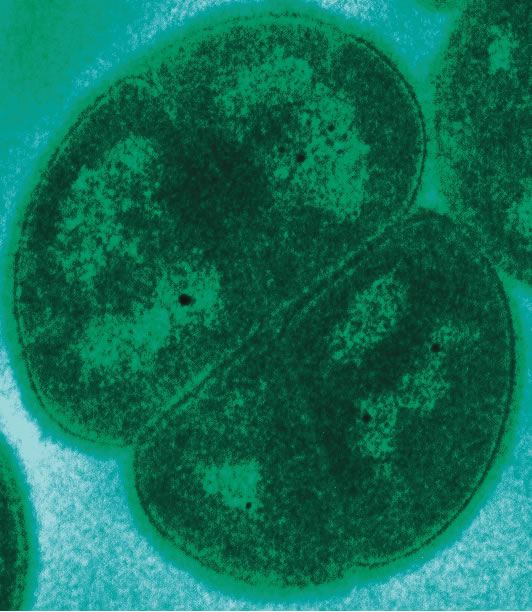
Deinococcus radiodurans:
While not exclusive to deserts, Deinococcus radiodurans is an extremophilic bacterium known for its resistance to radiation. It has been found in arid environments and can endure extreme dehydration, making it a potential inhabitant of desert soils.
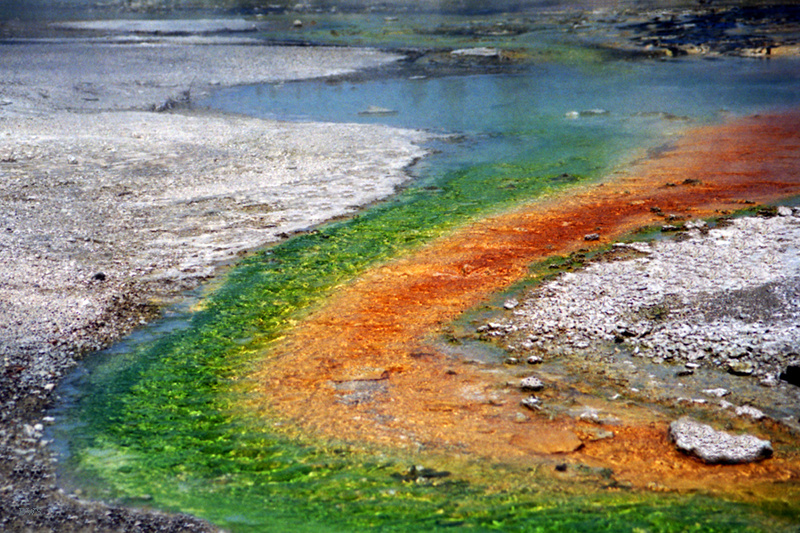
Thermus aquaticus
Thermus aquaticus is a thermophilic bacterium that can thrive in high-temperature environments. While it was originally discovered in hot springs, similar extremophiles may be found in desert soils where temperatures can be elevated during the day.
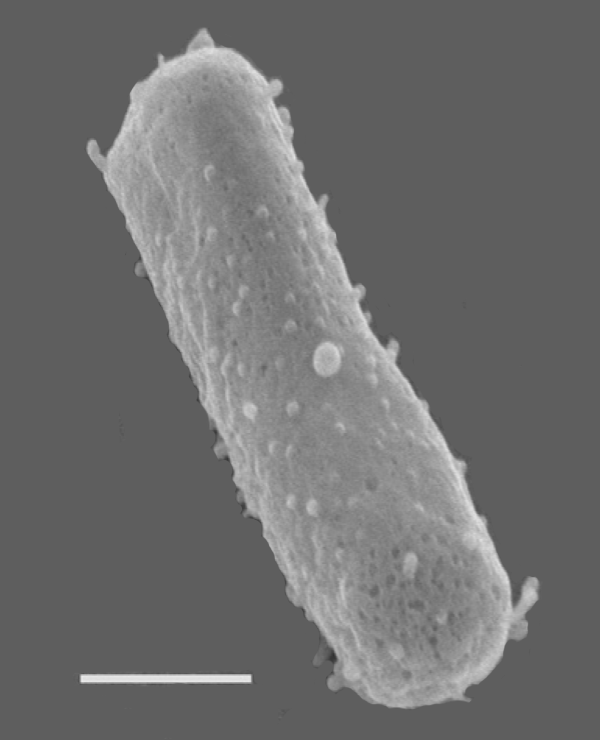
Halobacterium salinarum
While more commonly associated with saline environments, Halobacterium salinarum is an example of a halophilic bacterium that can tolerate high salt concentrations. In some desert regions, salt flats or saline soils may harbour such extremophiles.
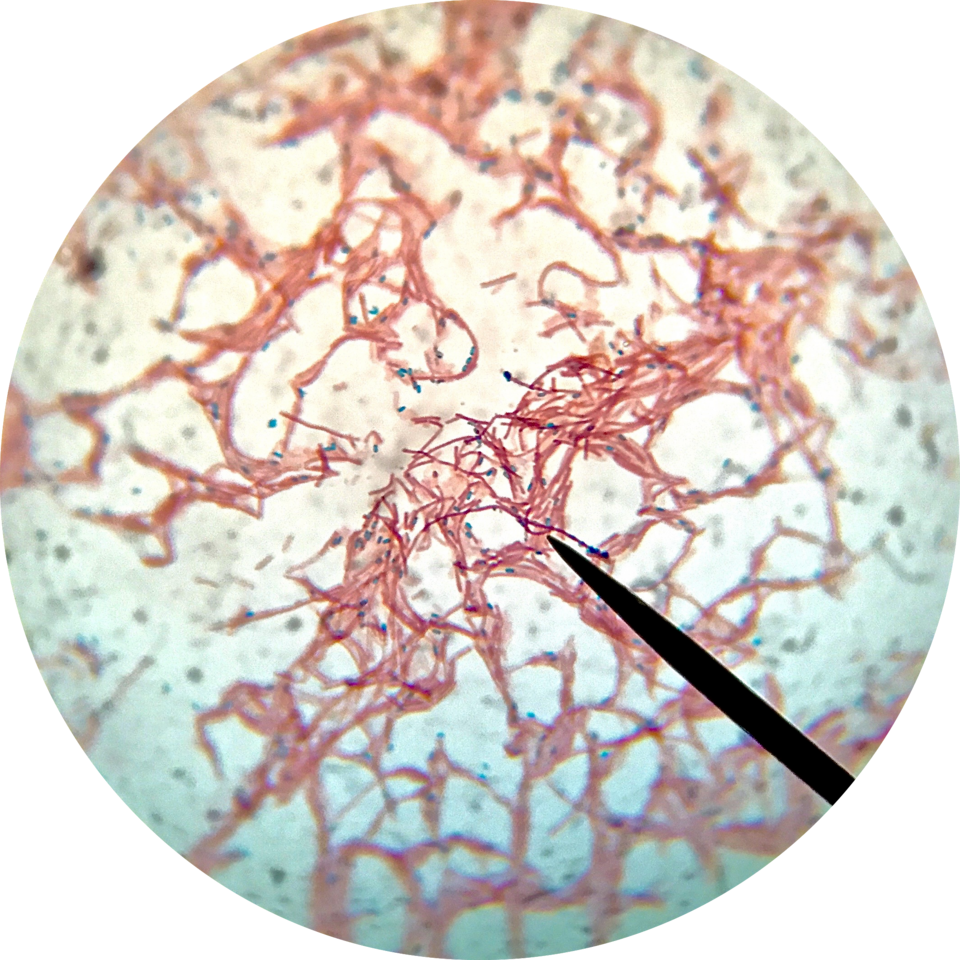
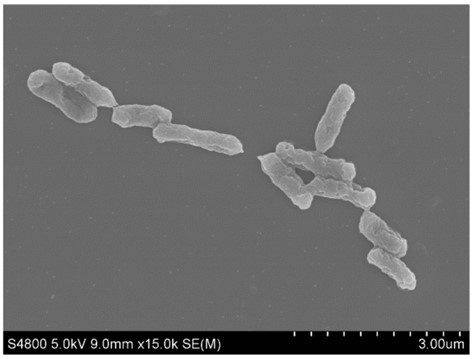
Bacillus subtilis
Bacillus subtilis is a common bacterium that is not exclusive to deserts, but some strains have been found to exhibit thermotolerance and resistance to desiccation, making them potentially present in arid environments.
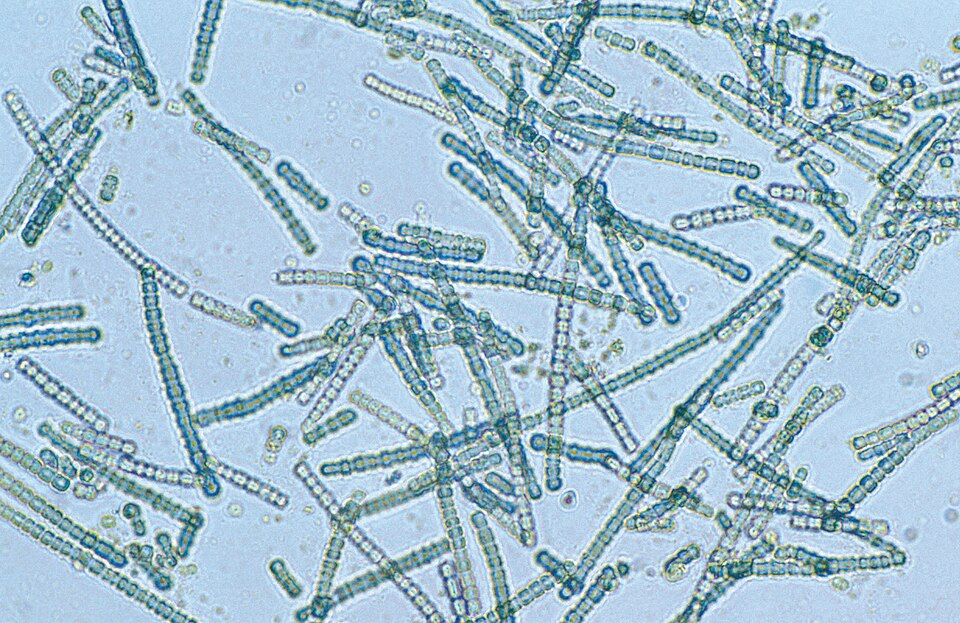
Cyanobacteria
Various cyanobacteria, such as those belonging to the genus Microcoleus, are known to inhabit desert soils. Cyanobacteria are photosynthetic bacteria that can endure extreme conditions, including high temperatures and desiccation.
Acidithiobacillus ferrooxidans
Acidithiobacillus ferrooxidans is an acidophilic bacterium that thrives in acidic environments. While not exclusive to deserts, it showcases adaptation to extreme conditions and may be found in soils with low pH.
Fungi in African Deserts
Desert-adapted fungi play a role in decomposing organic material. They are often able to withstand arid conditions and may form symbiotic relationships with plants to enhance nutrient uptake.
Fungi in African deserts face challenges due to the extreme aridity and limited organic matter characteristic of these environments. However, certain fungi have adapted to these harsh conditions and play important roles in desert ecosystems. Here are some examples of fungi found in African deserts:
Aspergillus niger:
Aspergillus niger is a common fungus found in various environments, including deserts. It is known for its versatility and adaptability to different conditions. In deserts, it may contribute to the decomposition of organic matter when moisture is available.
Trichoderma spp.:
Some species of Trichoderma are known to tolerate arid conditions. These fungi are often involved in mutualistic relationships with plants, aiding in nutrient uptake. They can also play a role in the decomposition of organic material in desert soils.
Alternaria spp.:
Alternaria species are known for their resilience in various environments. While they are not exclusive to deserts, some strains may be adapted to arid conditions. Alternaria fungi can contribute to the decomposition of plant material.
Cladosporium spp.:
Cladosporium is a widespread genus of fungi, and some species are capable of surviving in dry conditions. These fungi are often associated with plant debris and may play a role in breaking down organic matter in desert soils.
Endomycorrhizal Fungi:
Certain endomycorrhizal fungi form symbiotic relationships with desert plants, aiding in nutrient absorption from the soil. These fungi help plants withstand drought conditions by enhancing their ability to acquire water and nutrients.
Arbuscular Mycorrhizal Fungi (AMF):
AMF are a group of fungi that form mutualistic associations with the roots of plants. Some species of AMF are adapted to arid environments and can assist desert plants in nutrient uptake, particularly phosphorus.
Arthropods in African Deserts
Some arthropods, such as certain beetles and mites, are adapted to desert environments and contribute to decomposition. These organisms are often specialized to utilize sparse organic resources efficiently.
Arthropods, including insects and other invertebrates, have adapted to the challenging conditions of African deserts. These arid environments pose unique challenges, such as high temperatures, low humidity, and scarcity of water and vegetation. Despite these challenges, diverse arthropod species have evolved to thrive in desert ecosystems. Here are some examples of arthropods found in African deserts:
Desert Ants (Cataglyphis spp.):
Desert ants, such as species within the Cataglyphis genus, are well-adapted to the extreme conditions of deserts. They are known for their heat tolerance and efficient foraging strategies. Some species are also scavengers, contributing to the decomposition of organic matter.
Dung Beetles (Scarabaeidae):
Various species of dung beetles are found in African deserts. These beetles play a crucial role in nutrient cycling by feeding on and burying animal dung. They contribute to the breakdown of organic matter and the recycling of nutrients in desert soils.
Solifugae (Sun Spiders or Wind Scorpions):
Solifugae are arachnids commonly found in arid regions, including African deserts. Despite their intimidating appearance, they are not true scorpions. They are fast-moving predators that feed on insects and other small invertebrates.
Darkling Beetles (Tenebrionidae):
Darkling beetles are a diverse family of beetles adapted to arid environments, including deserts. Some species are detritivores, feeding on plant debris and contributing to the decomposition process.
Desert Locusts (Schistocerca gregaria):
Desert locusts are known for their ability to form swarms and migrate over large distances. While they are not exclusive to deserts, they can inhabit arid regions and play a role in herbivory, feeding on vegetation in these environments.
Camel Spiders (Solpugida):
Camel spiders, also known as wind scorpions, are arachnids found in deserts, including those in Africa. They are nocturnal predators that feed on insects and other small arthropods.
Springtails (Collembola):
Springtails are small arthropods found in various environments, including deserts. They play a role in decomposing organic matter and are adapted to survive in arid conditions.
Harvestmen (Opiliones):
Harvestmen are arachnids related to spiders and scorpions. They are found in desert ecosystems and are scavengers, feeding on dead insects and plant material.
Detritivores in African Deserts
Desert-adapted detritivores, including certain beetles and ants, feed on dead plant and animal material, breaking it down into smaller particles. These organisms play a role in nutrient cycling.
1.Springtails (Collembola):
Springtails are small hexapods found in soil and leaf litter in various environments, including deserts. They are detritivores that feed on decomposing plant material and fungi, contributing to the breakdown of organic matter.
2.Isopods (Woodlice):
Some isopod species, commonly known as woodlice or pill bugs, are detritivores found in desert ecosystems. They feed on decaying plant material and contribute to the decomposition process.
3.Mites:
Various mite species are detritivores in desert soils. They play a role in breaking down organic matter, including dead plant material and insects, and contribute to nutrient cycling.
Microorganisms:
Protozoa and nematodes, though in smaller quantities compared to more humid environments, can be found in desert soils and contribute to the decomposition process.
It’s important to note that the decomposition process in deserts is generally slower compared to more mesic environments due to the limited availability of water, which is essential for microbial activity. Decomposition in deserts often occurs in “hotspots” where water and organic matter concentrate, such as around plant roots, in shaded areas, or after rare rainfall events.
In desert ecosystems, decomposers are essential for nutrient recycling, helping to release vital nutrients back into the soil for use by plants. This process contributes to the overall functioning and sustainability of desert ecosystems, supporting the unique flora and fauna adapted to these harsh conditions.
Decomposers in the Savanna
In savanna ecosystems, decomposers play a crucial role in breaking down organic matter, recycling nutrients, and contributing to the overall health and balance of the ecosystem. Various decomposers can be found in savannas, each playing a specific role in the decomposition process. Here are some examples:
Termites:
Termites are abundant in savanna ecosystems and are particularly important decomposers. They feed on dead wood and plant material, breaking it down into simpler compounds. Termites play a key role in nutrient cycling and soil fertility.
Insects:
Various insects contribute to decomposition in savannas. Beetles, ants, and other insect species feed on dead plant and animal material, aiding in the breakdown process.
Fungi:
Fungi, including molds and mushrooms, are present in savannas and play a role in breaking down organic matter. They secrete enzymes that help break down complex organic compounds into simpler forms.
Bacteria:
Soil bacteria are essential decomposers in savanna ecosystems. They break down organic matter through processes such as decomposition and mineralization, releasing nutrients into the soil.
Earthworms:
Although not as abundant as in some other ecosystems, earthworms can be found in savannas and contribute to decomposition by consuming dead plant material and creating channels in the soil.
Detritivores:
Detritivores, such as millipedes and certain types of crustaceans, are present in savannas. They feed on decaying plant material, breaking it down into smaller particles.
FAQ
Is a dung beetle a decomposer?
The dung beetle does the most important thing is decomposing. It takes up waste, cleans it, and feeds on feces. It is detritivores that eat decomposing organic matter, animal feces, and also plant remains.
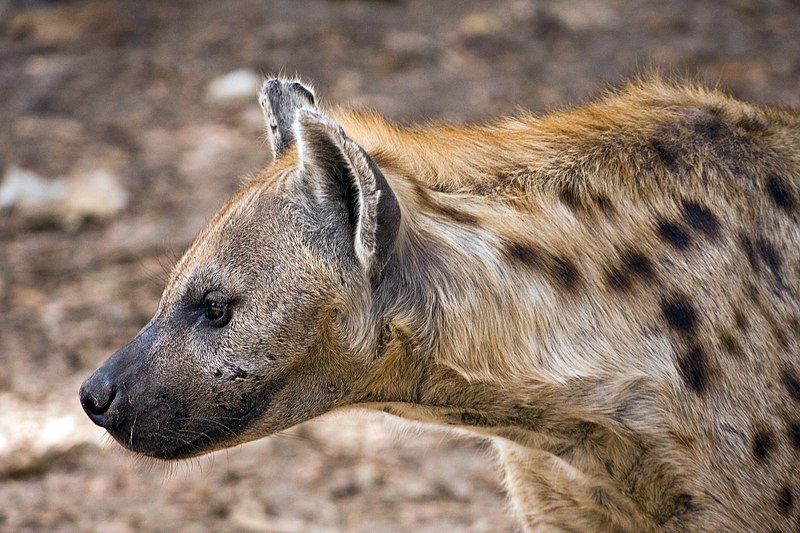
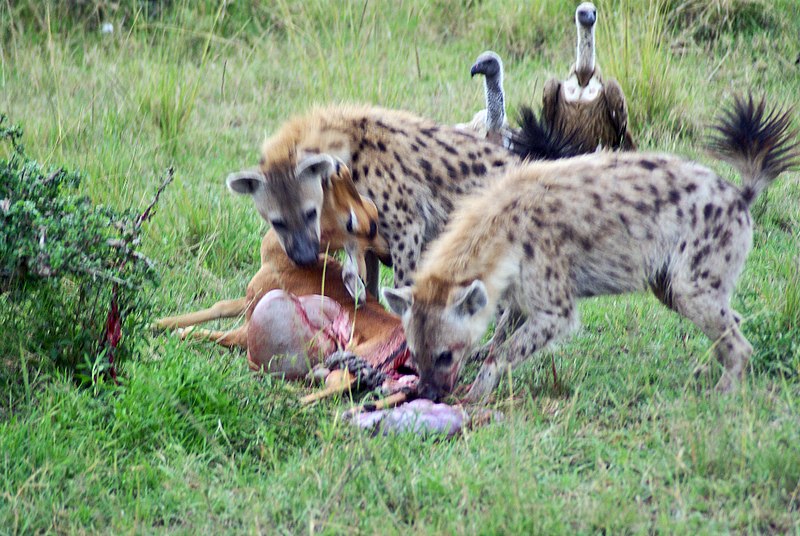
No, Hyenas are Scavengers. Hyenas are a special type of carnivore and it is a scavengers. Also, most hyenas are also hunters.
Decomposers are the one that breaks down organic matter and make it available to the producers and complete the food cycle. Examples of decomposers are bacteria, fungi, and termites.
Whereas Hyenas are Scavengers, just like Vultures. Hyenas are a specialized type of carnivore, that feeds on dead animals.
Are hyenas decomposers? By Ikiwaner – Own work, CC BY-SA 3.0, https://commons.wikimedia.org/w/index.php?curid=3692033
It is a well-equipped scavenger and has a sharp sense of smell to find the carcasses of animals.
Facts about Hyenas
Hyena is a feliform carnivoran mammal of the Hyaenidae family. Hyenas are low in diversity and it is a unique and important part of the African biome.
These mammals are behaviorally and morphologically similar to canids.
Why is hyena poop white?
Also, it has sharp teeth that crunch the bones and its stomach has special acids to digest the hard bone.
That is the reason, hyena poop is bright white due to the calcium ingested through the bones.
Is a hyena a dog or a cat?
Hyenas are not members of dog or cat families. But they are unique and have families of their own. Its family is called Hyaenidae.
In total, there are four family members in Hyaenidae. They are the striped hyena, giggly spotted hyena, brown hyena, and aardwolf hyena.
Are hyenas friendly to humans?
Hyenas, readily feed upon human corpses, they are generally very wary of humans and less dangerous than big cats such as lions, Leopards, etc.
But they look calm but they are brutal killers. Even the lion runs away from Hyena.
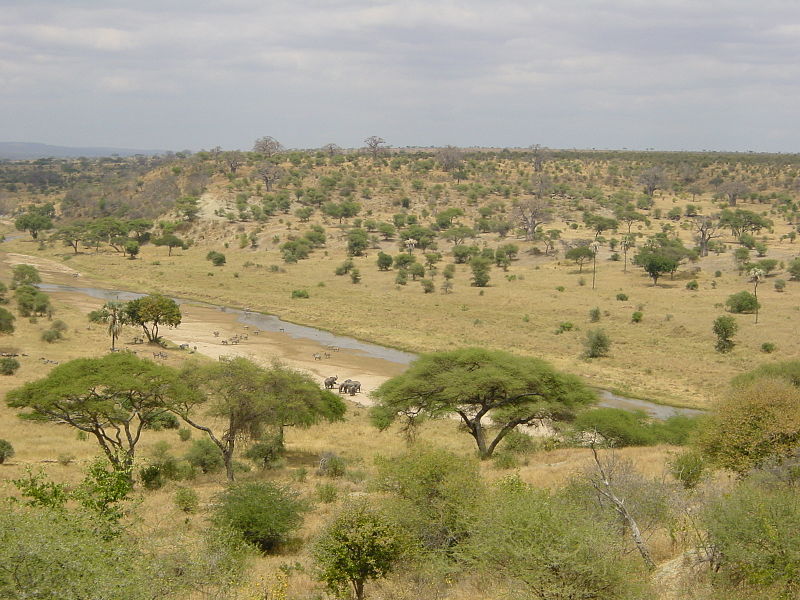
The savanna is one of the most fascinating biomes on Earth, with endless grasslands, scattered trees, and a vibrant mix of wildlife. Stretching across regions like the African Serengeti, South America’s Llanos, and Australia’s tropical grasslands, it supports a diverse savanna food web that is both beautiful and complex.
From the tallest giraffes nibbling on producers in the savanna to the fiercest carnivores in the savanna hunting for prey, and even the tiniest fungi recycling nutrients, every living organism plays a vital role in maintaining the savanna ecosystem food web.
In this post, we’ll explore:
The structure of the food web in the savanna
The roles of producers in the savanna, primary consumers in the savanna, secondary consumers in the savanna, and savanna decomposers
Examples from the African savanna food web
The connection between the savanna food chain and the tropical savanna food web
Why are decomposers essential to life in this biome
Savanna Region
Life in Savanna Region and its food chain By ProfessorX. – Own work. Uploaded by ProfessorX, Public Domain, https://commons.wikimedia.org/w/index.php?curid=282227
1. What is the Savanna?
A savanna is a tropical or subtropical grassland with scattered trees, seasonal rainfall, and a warm climate year-round. It’s an environment that supports herbivores, predators, scavengers, and decomposers in the savanna working together in a delicate balance.
Key Features of the Savanna:
Climate: Warm all year, with a wet and dry season.
Vegetation: Dominated by grasses with some trees like Acacia and Jackalberry.
Wildlife: Includes both consumers in the savanna (herbivores and carnivores) and a variety of decomposer savanna species.
The African savanna food chain is the most famous example, but similar savanna food webs exist worldwide.
2. Understanding the Food Web of the Savanna
A food web of the savanna describes how energy flows between different organisms. While a food chain in a savanna shows one direct path (e.g., grass → zebra → lion), a savanna biome food web is more complex, with multiple connections.
Categories in the Savanna Food Web:
Producers in the Savanna – Plants that make their own food.
Primary Consumers in the Savanna – Herbivores that eat plants.
Secondary Consumers in the Savanna – Carnivores that eat herbivores.
Omnivore in the Savanna – Organisms that eat both plants and animals.
Savanna Decomposers – Break down dead matter and recycle nutrients.
Scavengers – Feed on animal remains.
3. Producers in the Savanna – The Foundation of Life
Savanna producers are plants that capture solar energy and convert it into food through photosynthesis. They are the base of both the savanna food chain and the tropical savanna food web.
Common producers include:
Grasses (Elephant grass, red oat grass, Bermuda grass)
Trees (Acacia, Jackalberry, Baobab)
Shrubs and Wildflowers during the wet season
Without these producers in the savanna, there would be no energy for consumers in the savanna.
4. Primary Consumers in the Savanna – Plant Eaters
Primary consumers in the savanna are herbivores that feed directly on plants. They form the second step in the food chain savanna.
Examples:
Zebras – Grazers that feed mainly on grasses.
Impalas – Both grazers and browsers.
Warthogs – Eat grasses, roots, and berries.
Cows – Domesticated herbivores in human-managed areas.
These savanna consumers convert plant energy into a form usable by carnivores.
5. Secondary Consumers in the Savanna – Predators
Secondary consumers in the savanna are carnivores in the savanna that hunt and eat herbivores.
Examples:
Lions – Apex predators in the African savanna food chain.
Leopards – Stealthy hunters feeding on small to medium prey.
These savanna secondary consumers keep herbivore numbers in balance, preventing overgrazing.
6. Omnivores in the Savanna
Some animals, known as omnivores in the savanna, eat both plants and animals. Examples:
Humans – Farm crops and hunt animals.
Aardvarks – Mostly eat ants and termites, but may consume plant matter.
Omnivores link multiple parts of the food web African savanna.
7. Scavengers – Nature’s Cleanup Crew
Scavengers feed on dead animals, preventing the spread of disease and recycling nutrients. Examples:
Hyenas – Both hunters and scavengers in the savannah food web.
Vultures – Specialise in carrion.
8. Savanna Decomposers – The Unsung Heroes
The savanna decomposers (or descomponedores de la sabana) include bacteria, fungi, and termites. They break down dead material, enriching the soil for savanna producers.
Examples of what decomposers live in the savanna:
Termites – Digest tough plant material.
Bacteria – Decompose organic matter.
Fungi – Break down dead plants and animals.
Without decomposers in the savanna, the savanna food web with decomposers would collapse.
This shows why a food web for the savanna is more accurate than just a food chain of the savanna — multiple species are connected in complex ways.
10. African Savanna Food Chain vs. Desert Ecosystems
The African savanna food chain is far richer than a desert’s food web because:
Seasonal rains support lush grasses.
More plants mean more primary consumers in the savanna, leading to more predators.
By contrast, deserts have:
Low rainfall (<25 cm/year)
Xerophyte plants like thorny shrubs and palms
Reptiles (snakes, lizards, scorpions)
Oases where crops like dates and figs grow
11. Threats to the Savanna Food Web
The savanna food webs face challenges:
Climate change alters rainfall patterns.
Overgrazing reduces plant cover for producers in the savanna.
Poaching removes predators from the food chain in the savanna.
Habitat loss due to farming and cities.
When one part of the food web savanna is disrupted, it affects the whole food web of the savanna.
12. Conservation Efforts
Protecting the savanna biome food web requires:
National parks and reserves
Anti-poaching laws
Education on sustainable grazing
Soil health programs to protect decomposers savanna
13. Final Thoughts – Why the Savanna Food Web Matters
The savanna food web (or food web of the savannah) is more than just lions chasing zebras. It’s a living network where producers in the savanna capture sunlight, primary consumers in the savanna feed on plants, secondary consumers in the savanna hunt herbivores, scavengers clean up remains, and savanna decomposers return nutrients to the soil.
Whether you call it the food web in a savanna, savannah food web, food web savannah, savanna food webs, or food web African savanna, the truth is the same — every species, from termites to elephants, plays a role in keeping this biome alive.
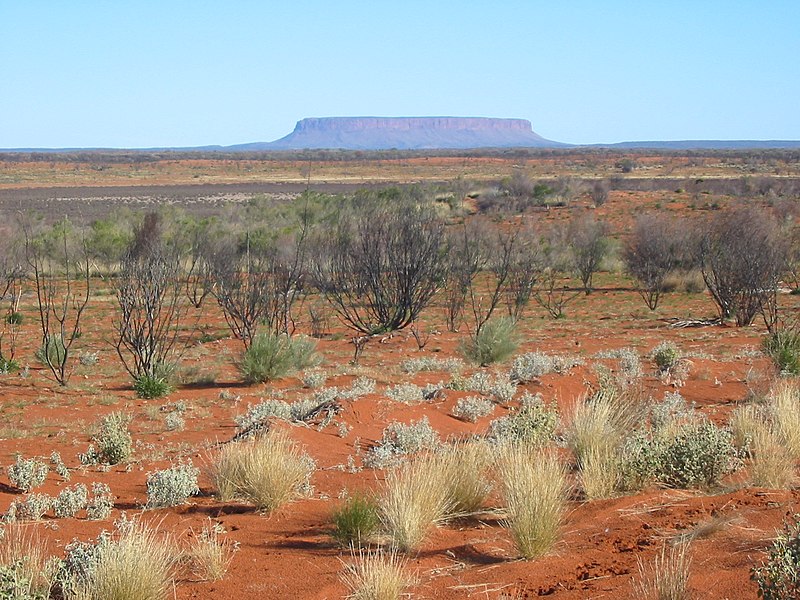
Australian savanna is a tropical region in the North of Australia which is defined by the tropical climate. This is a landscape is made of small trees, shrubs, and grasses covering the ground. This Australian Savanna is called Australian Rangelands.
This vast savanna sweeps across more than 1.5 million square kilometers and is one of the greatest natural regions in the world. Also, it is the world’s largest expanse of savanna left in good condition as 70% of world savanna has been lost.
Producers of Australian Savanna
The Producers include Grasses, Gum trees, Wattle trees, etc.
Herbivore in Australian Savanna
The major grazing mammals are feral ungulates that include buffalo, donkeys, horses, Wombats, Kangaroos, etc. Also, insects are major native grazers in Australian savannas.
Secondary Consumers
The secondary consumers include lizards, Saltwater crocodiles, Magpie, Echidna, etc.
Tertiary
Tertiary consumers include Kookaburra, eagle, Dingo, etc.
The elephant grass adapted and incorporated shallow roots that help in the advanced absorption of water quickly and in huge amounts.
The elephant grass is tall grasses that came to Africa in 1913 and it grows in dense clumps which a height up to 10 feet tall. It grows in the savanna in Africa along the lake beds and rivers where the soil is rich.
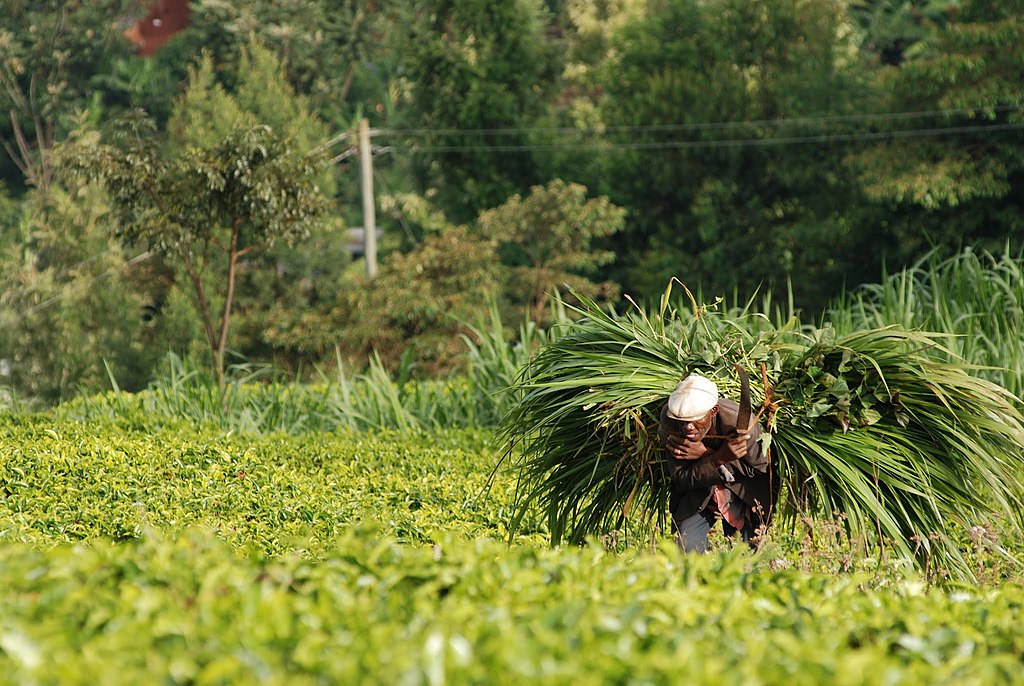
Elephant grass adaptations By Kamweti wa Mutu – Own work, CC BY-SA 4.0, https://commons.wikimedia.org/w/index.php?curid=63064396
Physical Features of Elephant Grass
Its scientific name is Pennisetum purpureum and commonly called cane grass, napier grass and Elephant grass.
Its culms are coarse and grow up to the height of 10 feet tall, branched above.
It forms thick and dense clumps up to 1m cross and its leaves are hairy at the base, around 100 cm long and around 6cm wide.
Its leaves are flat and linear and it color is bluish-green.
What does elephant grass need to survive?
Elephant grass thrives in the regions with a tropical climate, on the moist and fertile soil. This grass is classified as invasive species in a few nations due to its ability to adapt quickly to the new habitats and its nature of preventing the growth of the native plants.
Elephant Grass as food
It is generally used as forage. Also for controlling the erosion of soil and ornamental plants, also as aesthetic features.
In some parts of Igbo land, people also enjoy this grass as food. As per the name, Elephant grass is also a source of elephant food.
Native of Elephant Grass
It is native to Sub-Saharan Africa and the tropics. This grass is a crop and ornamental grass which was introduced in subtropics and tropical regions around the world.
Uses
Due to its rapid growth, high biomass, and low mineral content, it is a good choice as a biofuel. Also, it is predominantly used for feedstock production.
Its nature of regeneration and high productivity, which make it good for the use of cattle feed and it is also a basic source of forage for the elephants in the African continent. Due to this use, it is called Elephant Grass.
This grass can be easily harvested as it does not require much water and nutrients for its growth and can be harvested 4 to 6 times a year. It can survive long dry periods without any damage. Also, it is perennial and can last up to 20 years in the forest.
FAQ
What is the scientific name for elephant grass?
The scientific name of elephant grass is Pennisetum purpureum.
2. What is the kingdom and species of elephant grass?
Elephant grass, the kingdom is Plantae and it belongs to the species C.purpureum.
3. Is elephant grass sharp?
Yes, its leaves are razor sharp. It leaves are 2 to 3 feet long and pointed at the ends. The stands of this grass are almost impenetrable and many species of birds make their home in its stand.
4. Which grass is called elephant grass?
Pennisetum purpureum, is a forage grass that belongs to Penicillaria of Gramineae and pearl millet(P.americanum). It is a rhizomatous perennial called Napier Grass or Elephant grass due to its large size.
Soil pollution is the degradation of land due to the disposal of waste on land.
Protection of the Environment Operations Act 1997
Any substance (solid, liquid or gaseous) that is discharged, emitted or deposited in the environment in such a way that it alters the environment causes land pollution
Types of Soil Pollution
Solid waste
It includes all kinds of rubbish like paper, plastic containers, bottles, cans, food, used cars, broken electronic goods, municipal waste, and hospital waste.
Pesticides and Fertilizers
Many farming activities engage in the application of fertilizers, pesticides, and insecticides for higher crop yield which pollutes the land.
Deforestation
Humans depend on trees for many things including life. Trees absorb carbon dioxide from the air and release Oxygen, which is needed for life. Forest helps replenish soils and helps retain nutrients being washed away. Deforestation is led to land pollution.
Causes of Soil Pollution
Deforestation and soil erosion
Deforestation carried out to create drylands is one of the major concerns. Land that is once converted into dry or barren land, can never be made fertile again, whatever the magnitude of measures to convert it.
Agricultural activities
With the growing human and pet animal population, demand for food has increased considerably. Farmers often use highly toxic fertilizers and pesticides to get rid of insects, fungi, and bacteria from their crops. However, the overuse of these chemicals results in contamination and poisoning of land.
Mining activities
During extraction and mining activities, several land spaces are created beneath the surface.
Landfills
Each household produces tons of garbage each year due to changing economic lifestyle of the people. Garbage like plastic, paper, cloth, wood, and hospital waste gets accumulated. Items that cannot be recycled become a part of the landfills that cause land pollution.
Industrialization
Due to increasing consumerism more industries were developed which led to deforestation. Research and development paved the way for modern fertilizers and chemicals that were highly toxic and led to soil contamination.
Construction activities
Due to urbanization, a large number of construction activities are taking place. This has resulted in large waste articles like wood, metal, bricks, plastic. These are dumped at the outskirts of urban areas that lead to land pollution.
Nuclear waste
The leftover radioactive materials, harmful and toxic chemicals affect human health. They are dumped beneath the earth to avoid any casualty.
Plastics
Plastic pollution is a great threat to plants, animals, and humans. Only a fraction of plastic is recycled and the rest ends up in the landfills. It takes 1000’s years to decompose and even after it’s the toxic substances spoil the soil and water.
Over time, this plastic breaks down into microplastics mixes with soils, freshwater, and creates a long-term, fatal effect on the ecosystem. Also, several pieces of research tell that the soil pollution caused by microplastics is much more than marine microplastic pollution.
Microbeads
Microbeads are solid plastic particles that size, less than one millimeter. They are mostly made of polyethylene and other petrochemical plastics. It is used in personal care products, toothpastes, health science reasearches.
Many countries such as Canada, Ireland, Netherlands and United Kingdom etc banned manufacturing of such products that contains microbeads.
Effects of Soil Pollution
Soil pollution
Soil pollution is another form of land pollution, where the upper layer of the soil is damaged. This is caused by the overuse of chemical fertilizers and pesticides. This leads to the loss of fertile land. Pesticides kill not only pests and also human beings.
Microplastics affect fauna and flora. The soil pollution due to microplastic has an adverse effect on species. It reduces the species below the surface such as larvae, mites, worms, and other small creatures.
Health Impact
The land when contaminated with toxic chemicals and pesticides leads to the problem of skin cancer and the human respiratory system. The toxic chemicals can reach our bodies through foods and vegetables.
Landfills and waste dumping lead to air pollution. The abnormal toxic substances spread in the atmosphere cause transmit respiratory diseases among the masses.
Effect on wildlife
The animal kingdom has suffered the most in the past decades. They face a serious threat with regards to loss of habitat and natural environment. The constant human activity on land is leaving it polluted, forcing these species to move farther away. Sometimes several species are pushed to the verge of extinction or disappear due to no conducive environment.
Prevention of Soil pollution
Making people aware of the concept of a Reduce, Recycle and Reuse
Buying biodegradable products
Minimizing the usage of pesticides
Shifting cultivation
Disposing of unwanted garbage properly either by burning or by burying it under the soil.
Minimizing the usage of plastics.
Soil pollution in India
a. In 2009, there were issues in Punjab state that attracted media coverage. It is the problem of Uranium Poisoning. This Uranium poisoning is believed to be caused by the fly ash pond of the thermal power station. This poisoning has caused birth defects in Children in Faridkot and Bhatinda districts.
Uranium poisoning has also affected the groundwater in the Malwa belt.
b. Farmer of Yadadri Bhuvanagiri has filed complaints with the ministry of the forest environment, against pharma, chemical companies that pollute the agricultural fields in Anthemmagudem of Pochampalli, Telangana.
Due to this, there is Massive soil, surface, and groundwater pollution in Anthemmaguden and its surrounding villages have taken place.
In order to safeguard the land from pollution, several laws were passed in the country.
Environment (Protection) Act, 1986
It is an act of parliament, that is enacted after the Bhopal gas Tragedy under the Article 253. The aim of this act is to implement decisions of the United Nationals Conference on the Human Environment. It is for the protection and improvement of human environment and prevention of hazard to animals, plants and humans.
National Green Tribunal Act, 2010
The National Green Tribunal Act, 2010 is an Act of Parliament that enables the creation of a special tribunal to handle the cases related to environmental issues. This act is inspired from Article 21, that mentions the Protection of life and personal liberty, that assures its citizen, the right to a healthy environment.
National Green Tribunal also deals with the enforcement of legal right related to the environment and giving compensation for damages to persons and property.
Hazardous Waste Handling and Management Rules, 1989
It deals with various environmental aspects related with Hazadous wastes. Some of its features are:
The occupier generating hazardous wastes shall take all practical steps to ensure proper handling and disposal of hazardous wastes in environment friendly manner.
The State Pollution Control Board, shall grant authorisation having satisfied that the operator of a facility or an occupier, as the case may be, possesses appropriate facility, technical capabilities and equipment to handle hazardous wastes.
Accident occurred at the facility or on a hazardous wastes site shall be reported to the SPCB, etc.
These Rules have been amended several times in 2000, 2003 and with final notification of the Hazardous Waste ( Management, Handling and Transboundary Movement) Rules, 2008 in supersession of former notification.
Noise pollution is an invisible danger, that cannot be seen but it is considered to be a disturbing sound that affects the health of humans and other organisms.
Definition “Noise pollution is unwanted or excessive sound that can have deleterious effects on human health and environmental quality. Noise pollution is commonly generated by many factories. It also comes from the highway, railway and aeroplane traffic and from outdoor construction activities“. -Jerry A. Nathanson and Richard E. Berg, 2018
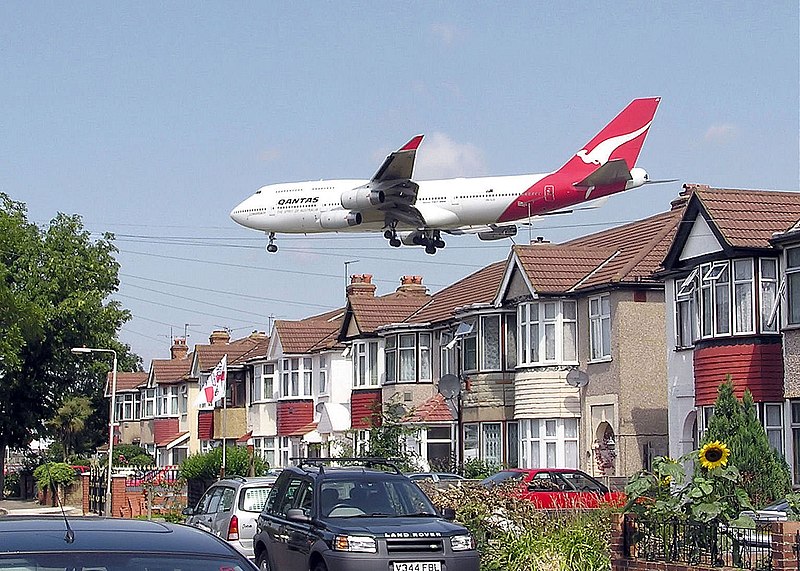
Noise pollution from Airplanes flying close to residential area By Adrian Pingstone – Own work, Public Domain, https://commons.wikimedia.org/w/index.php?curid=3165371
Types of Noise Pollution
i. Atmospheric Noise
Atmospheric noise or static is caused by lightning discharges in thunderstorms and other natural electrical disturbances occurring in the atmosphere.
ii. Industrial Noise
Industrial noise refers to noise that is created in factories. Sound becomes noise it becomes unwanted. Heavy industries like shipbuilding, iron, and steel have long been associated with Noise-Induced Hearing Loss (NIHL).
iii. Man-made Noise
The main sources of man-made noise pollution are ships, aircraft, seismic exploration, marine construction, drilling, and motorboats.
Causes of Noise Pollution
i. Poor urban planning: Improper urban planning will cause more nuisances among city travelers.
ii. Sounds from motor vehicles
Sounds from motor vehicles can cause temporary hearing loss.
iii. Crackers
Enormous Crackers are used on some occasions. Such activities create a very louder noise to the level of harming the public. Sometimes, they may even cause deafness to children and ages.
iv. Factory machinery
The industrial noise caused by the continuous operation of mills, machines, and pneumatic drills is an unbearable nuisance to the workers.
Effects of Noise Pollution
a. Hearing Loss
Chronic exposure to noise may cause noise-induced hearing loss. Older people are exposed to significant occupational noise and thereby reducing hearing sensitivity.
b. Damage Physiological and Psychological health
Unwanted noise can damage physiological and psychological health. For example, annoyance and aggression, hypertension, and high-stress levels.
c. Cardiovascular effects
High noise levels can contribute to cardiovascular problems and exposure to blood pressure.
d. Detrimental effect on animals and aquatic life
Noise can have a detrimental effect on animals, increasing the risk of death.
e. Effects on wildlife and aquatic animals
It creates hormone imbalance, chronic stress, panic, and escape behavior and injury.
Remedial measures to control Noise Pollution
Use of noise barriers
Newer roadway for surface transport
Traffic control
Regulating times for heavy vehicles
Installations of noise barriers in the workplace
Regulation of Loudspeakers
* * All the Notes in this blog, are referred from Tamil Nadu State Board Books and Samacheer Kalvi Books. Kindly check with the original Tamil Nadu state board books and Ncert Books.