Stem cell therapy for knee cartilage regeneration in India Upsc

Stem Cell Therapy

 stem cell therapy for the knee
Stem Cell Therapy for the Knee in India

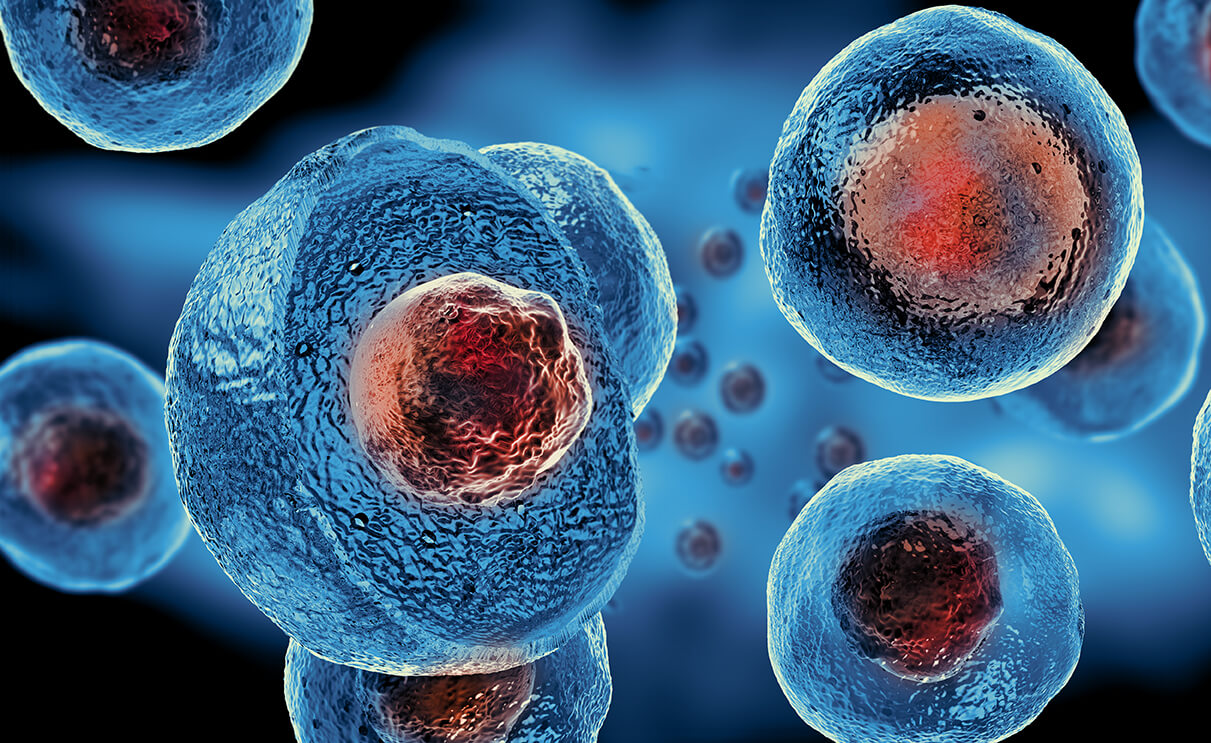
Before seeing Stem Cell Therapy for the Knee, we need to what is stem cell therapy?

This therapy uses stem cells to treat a medical condition (disease). Earlier there was only Hematopoietic stem cell transplantation available, it is usually taken from bone marrow transplantation.

Now several types of research are being carried out to find new sources of these cells to treat neurodegenerative diseases. Also for diabetes and heart disease.

Stem Cell Therapy for the Knee

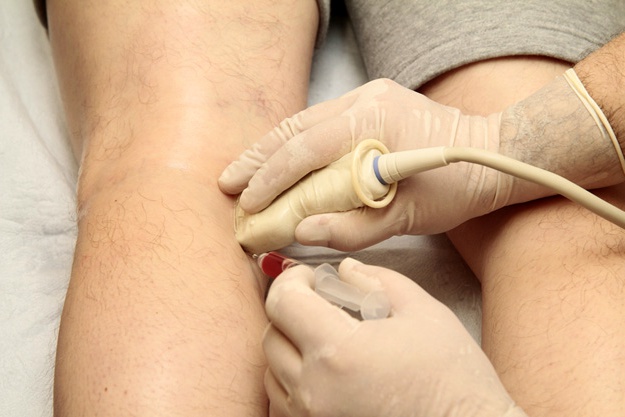
osteoarthritis stem cell treatment involves injecting the stems cells into the knee with Osteoarthritis. Injecting stem cells directly into the joint manipulates endogenous cells to increase the regenerative capacity.

Injections for knees

 Osteoarthritis will cause damage to the cartilages and it will result in pain, inflammation, etc as the damage to cartilage lead to friction increase. As you know, the cartilages cover the bone ends to make them glide smoothly against each other with minimal friction.

The idea here is to use the body’s own healing mechanism to repair the cartilage using Stem Cell Therapy. By this, the prime aim is to repair the damaged cartilage, which results in decreased pain and inflammation.

By doing so we could possibly prevent knee cap replacement surgery or postpone it. Stem Cell Therapy for Knee treatment involves, taking little blood, concentrating them together, and injecting them into the knee.

Based on research, the results were in favor of this treatment, where it improves the arthritis symptoms of the knees. This has shown positive results for six months to several years.

This treatment does not result in cartilage regrowth. Also, it has an advantage over knee replacement as the recovery time can last for several months. The best therapy for knees used by Doctors are the Mesenchymal stem cells (MSCs) 

Side Effects Stem Cell Therapy for the Knee

It has no or minimal side effects. However, some people have experienced pain and inflammation. And also it is too early to determine the effects as it is the latest addition to the medical field.

Conclusion

Research into this therapy for the Knee is ongoing. Most of the results also are positive and it is too early to determine its success rate and side effects. The success rate is almost 75%.

FAQ

  1. Can stem cells treatment regrow the knee cartilage?

Statistically, a simple stem cell injection into the joints that do not want surgery provided good results.

2. Can stem cell therapy replace cartilage?

RECLAIM cartilage repair technique mixes chondrons from debrided tissue with donor autologous stem cells to create a biologic filler for the repair of damaged knee cartilage. This procedure can be completed in a single surgery.

3. What is the success rate of stem cell therapy for knees?

These ortho-biologic injections reduce knee pain by as much as 75% based on the study.

4. How long do stem cell knee injections last?

Stem cells as a treatment for arthritis have shown lasting results anywhere from six months to several years based on several studies.

5. Can Stem Cells Regrow Bone?

Bone regeneration is a hot topic in regenerative medicine. The bone regeneration process may improve effectively and quickly when stem cells are used.

For this stem cells are used with biomaterials or scaffolds and growth factors to speed up the bone healing at the fracture site.

References
Types of stem cell therapy are in Use Today Upsc

Stem Cell Therapy

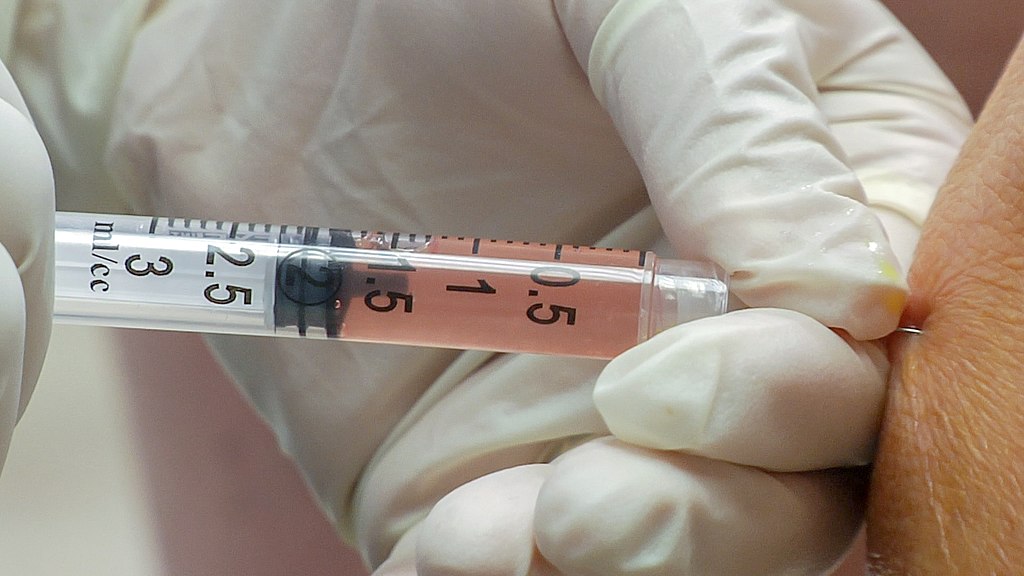
Stem Cell Therapy is also called Regenerative medicine. Stem Cell Therapy encourages the repair response of injured tissues, diseased tissue or dysfunctional tissue using stem cells.

The success rate of Stem Cell Therapy

The stem cell treatment has gained popularity significantly due to its effectiveness and high success rate up to 70 to 80%. This is due to the most advanced and latest regenerative medical treatment that uses a biological component that is stem cells.

This therapy also comes with negative effects such as treatment some patients have come up with problems such as Mucositis, Nausea, vomiting etc.

Types of Stem Cell

  • Primarily there are five types of Stem Cell
    1. Totipotency
    2. Pluripotency
    3. Multipotency
    4. Oligopotency
    5. Unipotency
Types of stem cell therapy
Stem Cell Therapy

Totipotency

  • Totipotency or Toti-Total – It is the ability of a single cell to divided and produce all of the differentiated cells in an organism.

Pluripotency

  • Pluripotency or Pluri-several refers to a stem cell that has the potential to differentiate into any of the three germ layers-ectoderm, endoderm, and mesoderm.

Multipotency

  • Multipotency or multi-many refers to the stem cell that can differentiate into various types of cells that are related.
  • Example – Blood stem cells can differentiate into lymphocytes, monocytes, Neutrophils etc.

Oligopotency

  • Oligopotency or Oligo-Few refers to stem cells that can differentiate into few cell types.
  • For Example Lymphoid or Myeloid stem cells can differentiate into B and T cells but not RBC.

Unipotency

  • Unipotency or Uni-Single refers to the ability of the stem cells to differentiate into only one cell type.

Stem Cells Technology

The stem cell might come from the donor or the patient themselves.

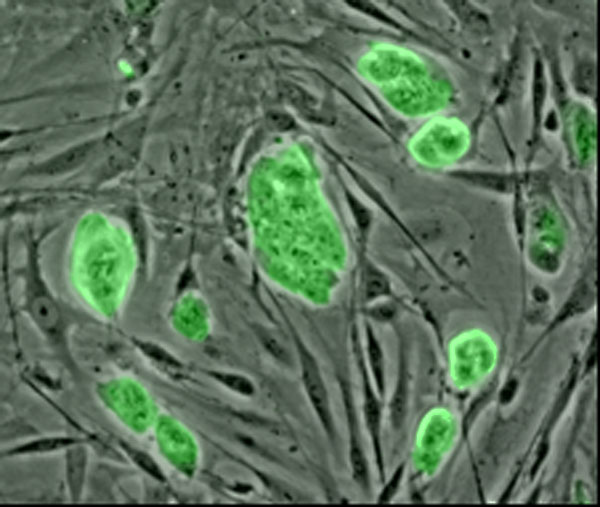
The stem cell is undifferentiated cells found in most multicellular animals. These cells maintain their undifferentiated state even after undergoing numerous mitotic divisions.

It also has the potential to revolutionize the future of medicine with the ability to regenerate damaged and diseased organs.

Also, it is capable of self-renewal and exhibits ‘Cellular Potency’.

Differentiation of Stem Cells

The stem cell is differentiated into all types of cells, which are derived from any three germ layers such as ectoderm, endoderm, and mesoderm.

Mammals have two main types of stem cells. They are embryonic stem cells (ES Cells) and Adult Stem Cells.

Embryonic Stem Cells

  • ES cells are pluripotent and can produce all three germ layers.
  • ES cells are isolated from the Epiblast tissue of the inner cell mass of a blastocyst.
  • When stimulated ES can develop into more than 200 cell types of the adult body.
  • ES cells are immortal that is they can proliferate in a sterile culture medium and maintain their undifferentiated state.

Adult Stem Cells

  • Adult stem cells are found in various tissues of children as well as adults.
  • An adult stem cell or somatic stem cell can divide and create another cell similar to it.
  • Most adult stem cells or somatic stem cells can divide and create another cell similar to it.
  • Most of the adult stem cells are multipotent and can act as a repair system of the body, replenishing adult tissues.
  • The red bone marrow is a rich source of adult stem cells.

The most important and potential application of human stem cells is the generation of cells and tissues that could be used for cell-based therapies. Human stem cells could be used to test new drugs.

Conditions commonly treated are Knee, blood cancers, burns, damaged corneas, Autism, etc. However, there is no clear scientific evidence that supports the best type of stem cell therapy for autism and it is not recommended as therapy for Autism.

The type of cancer currently used in stem cell therapy are leukaemia and lymphoma. This may also be used for neuroblastoma and multiple myeloma. Other types of cancer, that involve cell transplants are under study in clinical trials.

Stem cell Therapy Cure List

  • Spinal Cord Injuries
  • Type 1 Diabetes
  • Parkinson’s Disease
  • Amyotrophic Lateral Sclerosis
  • Alzheimer’s Disease
  • Heart Disease
  • Stroke
  • Burns
  • Cancer
  • Osteoarthritis

Stem cell Banks

  • Stem cell Banks are the extraction, processing, and storage of stem cells.
  • These will be used for treatment in the future.
  • An amniotic cell bank is a facility that stores stem cells derived from amniotic fluid for future use.
  • Stem cells are stored in banks specifically for use by the individual from whom such cells have been collected and the banking cost are paid.
  • Cord Blood Banking collects stem cells from the umbilical cord during children.
  • While the umbilical cord and cord blood are the most popular sources of stem cells, the placenta, amniotic sac, and amniotic fluid are also rich in stem cells.

Cord Blood Banking

It is the process of collecting life-saving stem cells from the placenta and umbilical cord and them storing them for use in the future.

These banks store and maintain these cord blood for future use and they charge the price for it. Depending upon the plans for storage, they charge annually or Long term fee. For example, long-term fees for 21 years are about 40000 to 60000, or yearly fees about 4000-6000, etc.

Stem cell Therapy

Stem cell banks in India

  • LifeCell International Pvt. Ltd.
  • Reliance Life Sciences Pvt. Ltd.
  • Ree Laboratories Pvt. Ltd.
  • Regenerative Medical Services Pvt. Ltd.
  • CryoViva Biotech India Pvt. Ltd.
  • Cryobanks International India Pvt. Ltd.
  • Unistem BioSciences Pvt. Ltd.
  • Totipotentrx Cell Therapy Pvt. Ltd.

References

* * All the Notes in this blog, are referred from Tamil Nadu State Board Books and Samacheer Kalvi Books. Kindly check with the original Tamil Nadu state board books and Ncert Books.