The planning commission was scrapped by a cabinet resolution on 1 January 2015. A new commission was introduced called Niti Aayog. Its full is ‘National Institution for Transforming India‘.
It is neither a constitutional body nor a statutory body. This institution decentralized the idea of making the entire planning process.
Reason for the Formation Niti Aayog
Functions and Composition of Niti aayog
The government of India recognized the plurality and diversity of Indian states. The people’s needs were different, as the regions, geographic conditions, and economics were different.
Some states are more developed than others. Example: Kerala, Tamil Nadu, was the most developed, and Uttar Pradesh, Bihar, etc. are the least developed.
As a result, a thought that uniform planning for the entire nation is not the right way to plan and also a uniform plan will not give desired results. Thus it was formed to design a plan for every region.
Centre-State Relationship in Planning
The regional state could be involved in the planning and implementation of development plans in a better manner. It aims at cooperative federalism.
It makes specific plans to make inclusive of all sections of the population that could be made part of the developmental process. It is a Think Tank of the Government of India.
It provides strategic technical advice relating to the policymaking to the Union and the state government. It analyses the best practices from India as well as from other countries.
It advises on all the issues of national and international importance.
Niti Aayog Logo
Ceo is Amitabh Kant
Vice chairman is Rajiv Kumar
Composition of Niti-aayog
Prime Minister of India is the chairman of Niti Aayog.
Currently(2021) – Narendra Modi
Prime appoints the Vice-Chairman – Rajiv Kumar(2021)
There are five full time and 2 part-time members.
It has a governing Council that comprises of the Chief Minister of all the states and Lt. Governors of the Union Territories.
Four members of the Union Council of ministers are nominated as ex-officio members.
It also comprises of a Chief Executive officer (CEO) – Amitabh Kant(2021)
This is an article written for the topic in Tnpsc: “Population in the Indian Economics“
Population Concerning to Indian Economics
Demographic trends in India
Demography is the scientific study of the characteristics of the population. The factors of the demography trends are:
Size of the population – Rate of growth, Birth and death rates, Density of population.
Sex-ratio– Life expectancy at birth, Literacy ratio.
Size of Population
Indian population has grown about four times in the last 100 years and has 2.4% of the world’s population and yet it contributes only 1.2% of the world’s income.
And also has 17.5% of the world’s population, and every 6th person in the world is Indian. The population of Uttar Pradesh and Maharashtra combined is more than the population of the United States of America, which happens to be the world’s third most populous country.
Some of the Indian states have a larger population than many countries. The population of India had negative growth during 1911-21 due to epidemics like cholera, plague, influenza, and famines.
The year 1921 is known as the ‘Year of Great Divide’ for the Indian population as it starts increasing.
Then the population growth rate has come from 1.33% to 1.25% during 1951. Therefore this period is known as the ‘Year of Small Divide’. The year 1961 is known as the ‘Year of Population Explosion‘ since the population is increased at a rate of 1.96% i.e 2%.
The population of India crossed the one billion or 100 crore mark in 2011. The 2011 census shows that of growth of young population described as ‘Demographic Transition’.
Birth rate and death rate
Crude Birth Rate
The number of birth per thousand.
Crude Death Rate
The number of death per thousand.
The crude birth and death rates during various years are:
The Crude Birth rate in 1951 is 39.9 and decline to 21.8 in 2011. The decline of the Birth rate is not remarkable. The crude death rate in 1951 is 27.4 and 7.1 in 2011.
However, from the information above, the birth rate is less than the death rate. Kerala has the lowest birth rate in India which is about 14.7 and Uttar Pradesh has the highest birth rate of about 29.5.
West Bengal has the lowest death rate of about 6.3 and Orissa has the highest death rate of about 9.2. Among the Indian States, Bihar has the highest decadal growth rate of population in 2001-2011.
On the other hand, Kerala has the lowest growth rate. The BIMARU states such as Bihar, Madhya Pradesh, Rajasthan, and Uttar Pradesh have a very high population.
Density of population
It refers to the average number of persons living per square kilometer. The density of population refers to the man-land ratio. The size of the land does not change, but an increase or decrease in population causes the density of the population to rise.
The density of Population = Total Population / Land Area of the region
Before Independence, the density of population was less than 100. But after independence, it has increased rapidly from 117 in 1951 to 325 in 2001. According to the 2011 census, the present density of population is 382.
Kerala, West Bengal, Bihar, and Uttar Pradesh have a higher density than India’s average density.
Bihar is the most densely populated state in the country with 1102 people living per sq. km followed by West Bengal with 880. Arunachal Pradesh has a low density of population of only 17 persons.
Sex ratio
The sex ratio refers to the number of females per 1000 males. In India, the sex ratio is favorable to men.
In Kerala, the adult sex ratio is 1084 as in 2011. That there are more females in Kerala than Men. Haryana has the lowest sex ratio of 877 (2011) among other states.
Life expectancy at birth
Life expectancy has improved over the years. Life expectancy is low when the death rate is high or early death is high. Life expectancy is high when the death rate is low and early death is low.
A decline in the death rate is responsible for the improvement in life expectancy at birth. But the life expectancy in India is low compared to the developed countries.
Literacy ratio
Literacy ratio refers to the number of literates as a percentage of the total population. In 1951, only one-fourth of the males and one-twelfth of the females were literates.
Thus, on average, only one-sixth of the people of the country were literates. In 2011, 82% of males and 65.5% of females were literates giving an overall literacy rate of 74.04% (2011).
When compared to other developed countries and even Sri Lanka has a low literacy rate. Kerala has the highest literacy ratio of 92% followed by Goa with 82%, Himachal Pradesh with 76%, Maharashtra, and Tamil Nadu with 76% and 74% respectively.
Bihar has the lowest literacy ratio at 53% in 2011.
Employment generation is the process of social development that gives people employment opportunities to meet their basic needs.
The Problem of poverty can be removed by providing employment and increasing the productivity of a low level of employment.
The government is taking several steps to remove poverty from the country. Employment Generation in the Indian Economy is done by Land Reforms, Employment generation, rural development, and several other schemes.
Land Reforms
The land reforms were passed by the state governments, in order to improve the economic conditions of agricultural landless laborers. Example: Zamindari System is abolished.
Tenancy laws are passed by the state for protecting the Tenants. Tenancy laws help tenants to acquire possession over the land they cultivate.
Also, the state governments have passed legislation on the land ceilings on agriculture. That is the maximum amount of land a person can hold is fixed by law. The surplus lands are distributed to the landless laborers and small peasants.
Jawahar Gram Samridhi Yojana (JGSY)
It was introduced in April 1999 and it is a successor to Jawahar Rozgar Yojana. Its aim was to develop rural areas.
The cost-sharing is 75:25 between the Union and States. Infrastructure such as roads, hospitals, and schools was developed.
Another objective is to give sustained wage employment. This was given only to the people below the poverty line. The funds need to be spent for beneficiary schemes for SCs and STs.
3% Infrastructure allowed to disabled people.
National Social Assistance Programme (NSAP)
NSAP is a Centrally Sponsored Scheme. It was launched on August 15, 1995, by Article 41.
As per Article 41, the state should provide assistance to its people in case of unemployment, old age, sickness, and disablement. By that, the government provides financial assistance to the elderly, widows, and persons with disabilities.
In 1995, NSAP included three components, they are NOAPS (National Old Age Pension, NFBS (National Family Benefit Scheme), and NMBS (National Maternity Benefit Scheme).
In 2000, Annapurna Yojana was added to its by providing 10 kg of free rice to the beneficiaries who are covered in NOAPS.
In 2001, National Maternity Benefit Scheme is transferred to the Department of Family Welfare. In 2007, NSAP is renamed Indira Gandhi National Old Age Pension Scheme (IGNOAPS).
In 2009, NSAP was extended to widows of age 40-64 by Indira Gandhi National Widow Pension Scheme (IGNWPS) and also to disabilities affecting people who are aged 18-64 and living below the poverty line by Indira Gandhi National Disability Pension Scheme.
Employment Assurance Scheme (EAS)
It was started on October 2, 1993, in 1778 backward blocks in drought-prone, desert, tribal, and hill areas. It was expanded to cover all the 5,488 rural blocks of the country.
It gave wage employment to the rural poor. In September 2001, it was merged into the new Sampoorna Gramin Rozgar Yojana along with Jawahar Gram Samridhi Yojana.
Pradhan Mantri Gramodaya Yojana (PMGY)
It was introduced in the Budget for 2000-2001 with an allocation of Rs. 5,000 crore. Its focus is on health, primary education, drinking water, housing, and rural roads.
Common Property Rights in grazing lands, wastelands, forests, and water resources were made available to the rural people in the past.
They have been canceled in the recent past due to the commercialization and privatization of these rural community resources in the country.
Swarna Jayanti Shahari Rozgar Yojana (SJSRY)
Urban self-employment and urban wage-employment are the two special schemes under it. It substituted in December 1997 various programmes operated earlier for urban poverty alleviation.
It is funded on a 75: 25 basis between the Union and the States. The expenditure under this scheme was only Rs. 45.5 crore at the revised stage.
It was Rs. 39.21 crores in 2001-02 and an allocation of Rs. 105 crore was provided for 2002-03 (Economic Survey, 2002-03, p.217).
Integrated Rural Development Programme (IRDP)
The concept of an Integrated Rural Development Programme was first proposed in the central budget for 1976-77, and a beginning was made in this regard.
This programme was intended to assist the rural population to derive economic benefits from the development of assets of each area.
The programme with some modifications was introduced on an expanded scale in 1978-79, beginning with 2,300 blocks, of which 2000 were under common coverage with SFDA, DPAP, and CADP, with another 300 blocks added up during 1979-80.
Its coverage was extended to all the blocks of the country since October 2, 1980.
Besides the smaller and marginal farmers, this programme was more specific in regard to agricultural workers and landless laborers and additionally brought within its purview rural artisans also.
The programme emphasized the family rather than the individual approach in the identification of the beneficiaries.
The Centre sources include Corporation tax, Currency, coinage and legal tender, foreign exchange, Duties of customs including export duties, Duties of excise on tobacco and certain goods manufactured or produced in India, Estate duty in respect of property other than agricultural land, Fees in respect of any of the matters in the Union List, but not including any fees taken in any Court.
Also Foreign Loans, Lotteries organized by the Government of India or the Government of a State, Post Office Savings Banks, Posts and Telegraphs, telephones, wireless, broadcasting, and other forms of communication.
Property of the Union, Public Debt of the Union, Railways, Rates of the stamp duty in respect of Bills of Exchange, Cheques, Promissory Notes, etc.
Reserve Bank of India, Taxes on income other than agricultural income, Taxes on the capital value of the assets, exclusive of agricultural land of individuals and companies.
Taxes other than stamp duties on transactions in stock exchanges and futures markets, Taxes on the sale or purchase of newspapers and on advertisements published therein, and Terminal taxes on goods or passengers, carried by railways, sea, or air.
(II) State Sources
Capitation tax, Duties in respect of succession to agricultural land, Duties of excise on certain goods produced or manufactured in the State, such as alcoholic liquids, opium, etc.
Estate duty in respect of agricultural land, Fees in respect of any of the matters in the State List, but not including fees taken in any Court.
Land Revenue, Rates of the stamp duty in respect of documents other than those specified in the Union List, Taxes on agricultural income, and Taxes on land and buildings.
Taxes on mineral rights, subject to limitations imposed by Parliament relating to mineral development, Taxes on the consumption or sale of electricity.
Taxes on the entry of goods into a local area for consumption, use, or sale therein, Taxes on the sale and purchase of goods other than newspapers, and Taxes on advertisements other than those published in newspapers.
Taxes on goods and passengers carried by road or on inland waterways, Taxes on vehicles, Taxes on animals and boats.
Taxes on professions, trades, callings and employments, Taxes on luxuries, including taxes on entertainments, amusements, betting and gambling, and Tolls.
Taxes Levied and Collected by the union but Assigned to the States (Art.269)
Duties in respect of succession to property other than agricultural land, Estate duty in respect of property other than agricultural land.
Taxes on railway fares and freights, Taxes other than stamp duties on transactions in stock exchanges and futures markets.
Taxes on the sale or purchase of newspapers and on advertisements published therein, Terminal taxes on goods or passengers carried by railways, sea, or air.
Taxes on the sale or purchase of goods other than newspapers where such sale or purchase takes place in the course of inter-State trade or commerce.
(IV) Duties levied by the Union but collected and Appropriated by the states (Art.268)
Stamp duties and duties of excise on medicinal and toilet preparation ( those mentioned in the Union List ) shall be levied by the Government of India but shall be collected.
In the case where such duties are leviable within any Union territory, by the Government of India. In other cases, by the States within which such duties are respectively leviable.
Taxes are Levied and Collected by the Union but may be distributed between the Union and the States (Arts.270 and 272).
Taxes on income other than agricultural income. Union duties of excise other than such duties of excise on medicinal and toilet preparations as are mentioned in the Union List and collected by the Government of India.
“Taxes on income” does not include corporation tax. The distribution of income-tax proceeds between the Union and the States is made on the recommendations of the Finance Commission.
How the distribution of financial resources is done between the Union government and the state government?
The constitution provides details of the distribution of financial resources between the Union and the States. The Central government gets its main income from the sources which are given in the Union List.
State government levy tax on things mentioned in the state list.
How are the sources of revenue distributed between the central and state government in India?
The constitution provides the distribution of revenue and gives exclusive power to the state to collect taxes and some exclusive power rest with the Central. The distribution of revenue is mentioned in Article 278 to Article 281.
What is the major share in the revenue of state governments?
The main source of state revenue includes VAT(Value Added Tax) on Fuel, state excise on Liquor, property tax, and tax on vehicles.
There are two main sources of government revenue: Tax Revenue and Non-Tax Revenue. The major source of tax revenue in India is generated from direct taxes, such as Income tax, securities transaction tax, and corporate income tax. Other important sources of tax revenue include corporation tax, Customs, Union excise duties, and service tax, among others. In 2016-17, Direct taxes such as personal tax and corporate taxes accounted for 51.3% of the total taxes collected by the government and in 2020-21, direct taxes increased to 56.4% of total taxes collected by the government.
Introduction to Public revenue | Why is it important?
Public Revenue occupies an important place in Public Finance. The Government needs to perform many functions for the people’s welfare. To do this, the Government involves a substantial amount of Public expenditure, which can only be provided through public revenue. The amount of public revenue to be raised depends on the necessity of public expenditure and people’s ability to pay.
The income of the government by all sources is called Public income or public revenue. The government creates and finds different Sources of revenue and updates them regularly. As per Dalton, the Public Income has two senses, one is Wide and the other is narrow.
Wider in the sense that it is “All the income or receipt which a public authority may secure during any period of time“.
In a narrow sense, it is “It includes only those sources which are ordinarily known as revenue resources“.
To avoid confusion, the Wider sense is termed as Public Receipts and the narrower sense is termed as Public Revenue. In a narrow sense, it includes only those sources of income that are described as Revenue Resources by the Government. In the Broad Sense, it includes loans raised by the Government also.
Classification of Public Revenue
There are different sources of revenue for the government, but the Tax Revenue is most important. Tax is compulsory for citizens to the government to meet public expenditure. Tax is legally imposed on the taxpayer by the government, and the taxpayer cannot refuse to pay taxes.
Anatol Murad
“A Tax is a compulsory payment made by a person or a firm to a government without reference to any benefit the payer may derive from the government.”
Dalton
“A Tax is a compulsory contribution imposed by public authority, irrespective of the exact amount of service rendered to the the taxpayer in return and not imposed as a penalty for any legal offence.”
Characteristics of Tax
Tax is compulsory; it is legally imposed by the government. Refusal to pay tax is a punishable offence.
There is noquid pro quo (favour or advantage granted in return for something) between a taxpayer and public authorities. A tax is not levied as a fine or penalty for breaking the law.
Sources of Revenue
Tax Revenue
Tax
Income Tax, Corporate Tax, Sales Tax, Surcharge, Cess
Non-Tax Revenue
Non Tax
It is obtained by the government from sources other than tax is called Non-Tax Revenue.
Fees
A fee is charged by public authorities for rendering a service to the citizens. It is a compulsory levy like a tax.
The government provides certain services and charges certain fees for them. Examples of fees are the Issuing of passports, Driving Licenses, etc.
Fine
It is a penalty imposed on an individual for violating the law. An example of a fine is the Violation of Traffic rule, non-payment of income tax on time, etc.
Earnings from Public Enterprises
The government gets revenue from Public enterprises. Some public sector/enterprises make profits. The profits or dividends that the government gets can be used for public expenditure.
Special assessment of betterment levy
It is a kind of special charge levied on certain members of the community who are beneficiaries of certain government activities or public projects.
For example: Because of Construction of Public park or Construction of Road or Railways, People in that area may experience an Appreciation in the value of their property or land.
Gifts, Grants, and Aids
A Grant from one government to another is an important source of revenue in modern days.
The Central Government provides Grants to the State Government, and the State Government provides grants to the local government to carry out their function.
Foreign Aid
Grants from Foreign countries are known as Foreign Aid. Developing countries receive military, food, technological aid, etc from other countries.
Escheats
Escheats refer to the claim of the state to the property of persons who die without legal heirs or a documented will.
India is Asia’s third-largest economy, the other is China and Japan. Independence has brought a great change in the socio-economic landscape of India.
Important Industrial Policies Prior to 1991
Industrial Policy of India 1948, 1956, 1977, 1980, 1990 & 1991
The economic development of any country heavily depends on the process of Industrialization. During the time of independence, India had a weak and shallow Industrial base.
After Independence India took several measures to improve the Industrial base. The government measures on developing both the small scale industries and large scale industries are clearly stated in the resolutions of 1948 and 1956.
Industrial Policy Resolutions 1948
As said earlier, the Government of India, recognized the importance of industries, therefore the Government declared the Industrial Policy 1948 on 6th April 1948.
The importance of the 1948 industrial policy was it ushered the policy of a system ofmixed economy in India.
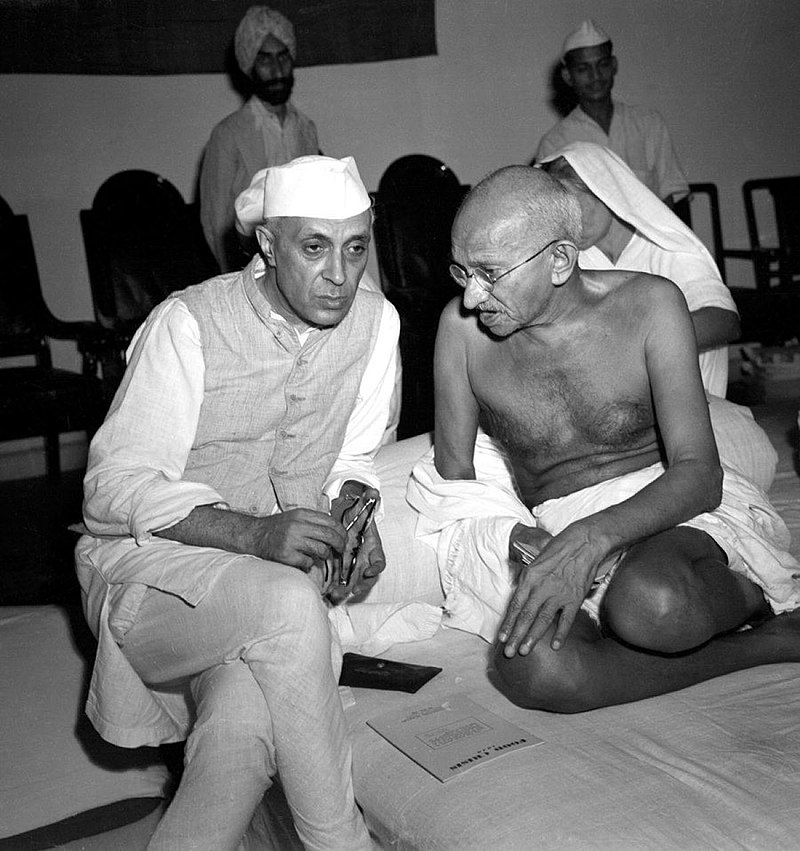
Prime Minister Jawaharlal Nehru promoted an economic policy based on import substitution industrialisation and advocated a mixed economy
Industrial Policy 1948
The Industries were classified into four groups: Public Sectors (Strategic Industries), Public-Cum-Private Sector (Key Industries), Controlled Private Sector, Private and Co-Operative Sectors.
The Industrial Policy 1948, endeavored to protect cottage and small-scale industries. The Central and State Governments had a virtual monopoly in railroads and exclusive rights to develop minerals, irons ore, etc.
The Union Government encouraged the significance of foreign capital for Industrialization, but the control should remain with Indian hands.
Industrial Policy Resolution 1956
The policy of 1956, is to give a dominant role to the public sector. Also fair treatment to the private sector.
To encourage cottage and small-scale enterprises by restricting the volume of production by large-scale industries and differential taxation or by direct subsidies. It emphasized the necessity of reducing the regional disparities in levels of development.
Also, the government recognized the need for foreign capital for progressive Indianisation of foreign concerns.
Large scale industries refer to those industries that require huge infrastructure, manpower, and a lot of capital assets. All the heavy industries of India like the Iron and Steel Industry, textile industry, automobile manufacturing industry, etc fall under the large scale industry.
Currently, the IT industry also falls under large-scale industries. The Indian economy depends on large-scale industries for growth, foreign exchange, and job opportunities.
Example of large scale industry
1.Iron and Steel Industry
The first steel industry is set up at Kulti, Near West Bengal name Bengal Iron Works Company in 1870. The first large-scale steel plant name TISCO at Jamshedpur was established in 1907.
It is followed by IISCO established at Burnpur in 1919. Both TISCO and IISCO belonged to the private sector. The first public sector Steel company is Vishveshvaraya Iron and Steel Works at Bhadrawati.
All these steel plants are managed by SAIL except TISCO. SAIL is expanded as Steel Authority of India Ltd. It was established in 1974 and was responsible for the development of the Steel Industry.
Public sector steel plants
Burnpur – West Bengal
Acquired from a private sector in 1976
Vishakhapatnam – Andra Pradesh
Russia
Salem – Tamil Nadu
Government of India (No external Assistance)
Bhadrawati – Karnataka
Nationalization of Vishveshvaraya Iron and Steel Ltd (Owned by Centre and State Government)
Vijai Nagar – Karnataka
Government of India
Public sector steel plants
Jute industry
Jute is an important industry in India, not only it earn foreign exchange but also provides great employment opportunities in the agriculture and industrial sectors. The modernized Jute industrial unit was established at Reshra in West Bengal in 1855 and it is tradition export-oriented in India.
India stands number one in the Raw jute and jute goods production and stands number two in exports of jute goods in the world.
Cotton and textile industry
It is one of the oldest industries in India and this industry employs a large number of people. It is the largest industry that accounts for 4% of GDP. Also, it provides 20% of manufacturing and provides one-third of total export earnings.
The first modernized cotton cloth mill in India was established at Fort Gloaster near Calcutta in 1818, and it was not successful.
The second mill was established in 1854 at Bombay by KGN Daber and it was named “Mumbai’s Spinning and Weaving Co“.
Sugar Industry
Among the Agriculture based industries in India, Sugar Industry is the second largest. Now, India is the largest producer and consumer of sugar in the world.
In India, Maharashtra produces the highest sugar and it is closely followed by Uttar Pradesh. Maharashtra produced one-third of the total sugar production in the country.
Fertilizer Industry
India is currently the third-largest producer of Nitrogenous fertilizer in the world.
Paper Industry
The first mechanized paper mill in India was set up in 1812 at Serampur in West Bengal and today India is one of the top 15 producers of Paper in the world.
Silk Industry
India is the second-largest producer of natural silk and currently, India produces 16% of silk in the World. India is the only country that produces all the five known commercial varieties of Silk such as Mulberry, Tropical Tussar, Oak Tussar, Eri, and Muga.
Petroleum and Natural Gas
India’s first successful Oilwell was dug in the year 1889 at Digboi, Assam. At present these numbers of oil reserves are identified. For the purpose of exploration, Oil and Natural Gas Commission (ONGC) was established in 1956 at Dehradun, Uttarakhand.
Small Scale Industries
SSI plays a vital role in the development of the economy and about 60 to 70% of total innovations in the country come for the Small scale industries. Many SSIs have gone to become big firms.
Role of SSIs in Economic Development
It provides Employment, Brings balanced regional development, It Mobilizes of local resources, Optimisation of Capital, Promotion of Exports, Entrepreneurship development, etc
Provides Employment
Small scale industries are using labor-intensive methods, thus they give large employment opportunities and reduce unemployment to great extent.
It also gives jobs to artisans, technicians, and professionals. Also provides jobs in unorganized sectors and people in villages. The employment-capital ratio is high for the Small Scale Industries.
Balanced Regional Development
SSI decentralizes the development of industries and most of the Small scale industries has their base in the rural areas. This reduces the regional disparities by Industrializing the rural areas.
Solutions to Urbanization
As Small scale industries provides job opportunities in Village, and small town, the pressure on the Cities are reduced. It helps to reduce the problems of congestion, sanitation, and pollution in the cities.
Also, it helps in improving the standard of living of people in rural and suburban areas in India.
Talent Village recruitment
SSI recruits a lot of talents from the villages and small towns. The entrepreneurial talent is tapped in various regions and the income is also distributed instead of tapped into a few hands or few business families.
It helps mobilization of local resources utilize the local resources like small savings, local talents, etc, which others could have remained underutilized.
SSI also promotes traditional family skills and handicrafts and there is great demand for Indian handmade handicraft goods in foreign countries.
Optimization of Capital
It paves for optimization of Capital as SSI requires less capital per unit output. It provides a quick return on investment due to a shorter gestation period and the payback period is less.
Its functions as a stabilizing force by providing a high output-capital ratio as well as a high employment capital ratio. It also channelizes rural people into industrial activities.
Promote Exports
The small scale does not need advanced machinery and thereby import of Machines are not necessary. Thus they reduce the pressure on the Nation’s Balance of Payment.
SSI earns valuable foreign exchange. But a current lot of SSI are vanishing as Large Scale Industries draws loans from Bank at low-interest rates and produces goods at a cheaper price with mass quantities, which were earlier made by the Small scale industries.
Support to Large Scale Industries
It complements Large industries and supports them by providing parts, accessories and also to meet the requirements of large scale industries. Often SSI is set up near the large industries to support them.
Shortly, SSI’s serve as ancillaries to the large-scale unit.
Meet Customer Demands
SSI’s make a wide range of products that are used by consumers daily such Soaps, Shampoo, Bakery Items, Pencil, Eraser, etc. Hence, SSI serves as an anti-inflationary force.
Develop Entrepreneurship
It helps to develop a class of entrepreneurs in the rural, small towns, and Cities, this makes job seekers become job givers. This promotes self-employment and self-reliance in society.
SSI’s help to increase the per capita income of the country and facilitate the development of weaker sections of society and also develop the areas where the development is low.
Micro, Small and Medium Enterprises (MSMEs)
The monetary limits are used for defining different types of industrial units. But these limits are changed from time to time.
Manufacturing Enterprises
Micro Manufacturing Enterprises – An Enterprise is said to be Micro Manufacturing Enterprise if the investment in the plant and machinery does not exceed Rs 25 Lakhs.
Small Manufacturing Enterprises – An Enterprise is said to be a Small Manufacturing Enterprise if the investment in plant and machinery is more than 25 Lakhs rupees but does not exceed 5 crores.
Medium Manufacturing Enterprise – An Enterprise is said to be a Medium Manufacturing Enterprise if the investment in plant and machinery is more than 5 crores but not exceeding Rs 10 crores.
Service Enterprises
Micro Service Enterprises – A service enterprise where the investment in equipment does not exceed Rs 10 lakhs is said to Micro Service Enterprise.
Small Service Industries – A service enterprise where the investment is more than Rs 10 lakhs but does not exceed Rs 2 crores is said to be a Medium service enterprise.
Medium Service Enterprise – A service enterprise where the investment is more than Rs 2 crore and doe not exceed Rs 5 crores is said to be a Medium service Enterprise.
Public Sector and Private sector banks
Public Sector Banks
Public sector Banks are ones where the government holds the majority of the shares. Example: SBI where the government holds 58.87% of the shares, PNB where the government holds 58.87% of the shares.
Normally, in Public sector banks, the government holds more than 50% of the shares. The Public sector banks are classified into two, they are Nationalised banks, State banks, and their associates.
Nationalized Banks – The government controls and regulates the functions of the bank entity. Examples are SBI, PNB, BOB, OBC, Allahabad Bank, etc.
In recent years, to Adhere to its privatization policy, the government keeps reducing the stake in PSU banks and sells its shares to an extent so that the government can become the minority shareholders in these banks.
Private Sector Banks
In Private Sector Banks, most of the equity is owned by Private bodies, corporations, institutions, or individuals rather than the government.
The private sector banks are controlled and managed by the Private entity by following the guidelines of the government. In India Public Sector Banks constitutes 72.9% of shares.
There are 27 Public Sector banks and 22 private sector banks. RBI is the apex banking body that controls all the banks in India.
RBI also give license to Payments Banks and Small Finance Banks (SFBs), as an attempt to boost the government’s Financial Inclusion drive
Here the application of Science and Technology in agriculture generally refers to improving the crop yield, protecting the crop against diseases and pests, the method to store the crops for long life, healthy and high yielding livestock and also predicting the whether.
Application of Science and Technology in agriculture
As you know today’s agriculture is evolved so much. It uses advanced technologies such as robots, sensors to measure temperature and moisture, aerial images from satellites, remote sensing, and also GPS technologies.
The use of these technologies not only increases profits and yields but also helps to make more environmental-friendly practices.
Basic Use of Science in Agriculture
Crop Rotation and Use of Chemicals
Science helps us understand, what is the necessity of rotating a crop and fertilizing the soil to improve soil health, increase yield, and also keep it environment friendly.
Crop Rotation is a method of planting different crops one after the other on the same farm to improve soil health and also to fight against pests.
Water Sampling
Today water Sampling is done in the most areas to check whether the water complies with water quality standards such as is it suitable for drinking for both Humans and Animals, and is good for cultivation.
In Water Sampling, water is collected from a particular region and tested for quality and other standards.
Drone
Use of drones in agriculture in India By Agridrones Solutions Israel – Agridrones Solutions Israel, CC BY-SA 4.0, https://commons.wikimedia.org/w/index.php?curid=72035069
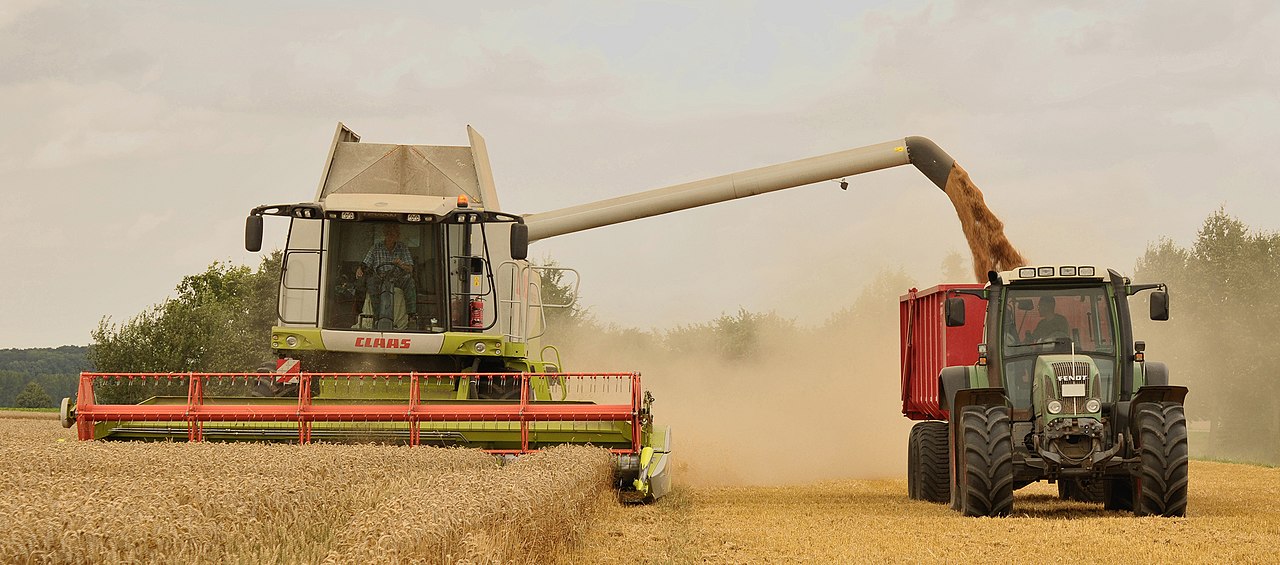
Earlier, in developed countries Aircraft were used for putting fertilizers, pesticides, etc.
Today these were replaced by Drones. As Drones a cheaper, even in developing like India, Brazil, etc Drones are used in Agriculture.
Drones have multiple applications, as drone uses cameras which are used for crop health monitoring and also to gather, and analyse other agriculture-related pieces of information.
How science and technology are helping Indian agriculture?
During British India and immediately after the freedom, India was heavily dependent upon other countries even for food grains such as wheat, Barley, rice, etc.
India had to import food grains in exchange for precious minerals.
Immediately after the Independence, the Nehru Government took several aggressive steps to improve agriculture at a rapid rate and to become self-sufficient as soon as possible.
The Nehru-led Indian government was very much aware that the application of Science and Technology in agriculture is the most important thing to be done immediately.
Green Revolution
Green Revolution refers to technological breakthroughs in agriculture. During the 1960s the traditional agricultural practices were replaced by modern technologies gradually.
Initially, the new technology was tried in 1960-61 in 7 districts as a pilot project. This was called as High Yielding Varieties Programme (HYVP).
Effects of Green Revolution
Achievement of Green Revolution
Boost in the production of major cereals such as wheat and rice. India’s dependency on the US for Food Grains The Green revolution was confined only to High Yielding Varieties (HYV) such as rice, wheat, maize, and jowar.
This strategy was directed to increase the production of commercial crops or cash crops such as sugarcane, cotton, jute, oilseeds, and potatoes.
The productivity of all crops per hectare had increased due to better seeds. The green revolution had a good effect on the development of industries, that manufactured agricultural tools like tractors, engines, threshers, and pumping sets.
It increased rural employment and their standard of living. The demand for labor has increased due to multiple cropping and more use of chemical fertilizers.
The financial resources were provided by banks and cooperative societies on easy terms.
Once India was dependent on the US for food grains. The US used Public Law 480(PL480) to export wheat to Indians.
On the other hand, India lost lots of minerals. The US strategically exploited the Indian minerals at the cheapest prices for manufacturing missiles and weapons that largely contributed to US GDP.
Problems of Green Revolution
Indian Agriculture is highly dependent on the monsoons. Green Revolution needs heavy investment in seeds, fertilizers, pesticides, and water.
The income gap between large, marginal, and small farmers has increased. The Gap between the irrigated and rain-fed areas had widened.
Farm mechanization has created widespread unemployment among agricultural labourers in rural areas except in Punjab. Larger chemical and inorganic materials such as pesticides and fertilizers reduced soil and human health.
Problems of Green Revolution
Second green revolution upsc
The Government of India implemented, the second green revolution to achieve higher agricultural growth. Its target is 400 million tons of food grains production against 214 million tons in 2006-07.
This is to be achieved by 2020. In the agricultural sector, the growth rate of 5% to 6% has to be maintained over the next 15 years.
Requirements for Second Green revolution
Introduction of Genetically Modified (GM) seeds which double the per acreage production. Contribution of the private sector to market the usage of GM foods.
Government plays a key role in expediting irrigation schemes and managing water resources. Linking of the river to transfer surplus water to deficient areas.
Genetically Modified Seeds By Ciencias EspañolasKoS – https://commons.wikimedia.org/wiki/File:ADN_2.pnghttps://commons.wikimedia.org/wiki/File:Pince_a_%C3%A9piler.png, CC BY-SA 3.0, https://commons.wikimedia.org/w/index.php?curid=75624775
Green Initiatives
Today people strive for sustainability and more eco-friendly lifestyles. They are passionate about protecting nature. Therefore we should bring about the change through political lobbying, citizen action, and consumer pressure.
Organic Farming
Organic Farming By Elina Mark – Own work, CC BY-SA 3.0, https://commons.wikimedia.org/w/index.php?curid=16751183
Agriculture method that relies on animal manure, organic waste, crop rotation, legumes, and biological pest control. It avoids chemicals.
Alkali Farming
Nearly 50 percent of the irrigated land in the arid and semi-arid regions has some degree of soil salinization problems.
The occurrence of accumulation of excess salt in the acid in the root zone results in a partial or complete loss of soil productivity and such soil is defined as ‘Problem (alkali, saline & acid) Soils’ and exist mainly in arid and semi-arid regions.
The alkali soils are predominantly located in the Indo-Gangetic plains encompassing the States of Punjab, Haryana, Uttar Pradesh, Bihar, and partly in States like Chhattisgarh, Rajasthan, Andhra Pradesh, Gujarat, Maharashtra, Karnataka, Andhra Pradesh, Madhya Pradesh, and Tamil Nadu.
Conclusion
The application of Science and Technology in agriculture helped India achieve self-sufficiency in food grains. Due to this India went on to become one of the largest exporters of several food grains and livestock in the world.
Today the future the Science and Technology in agriculture should work more on eco-friendly techniques such as organic farming.
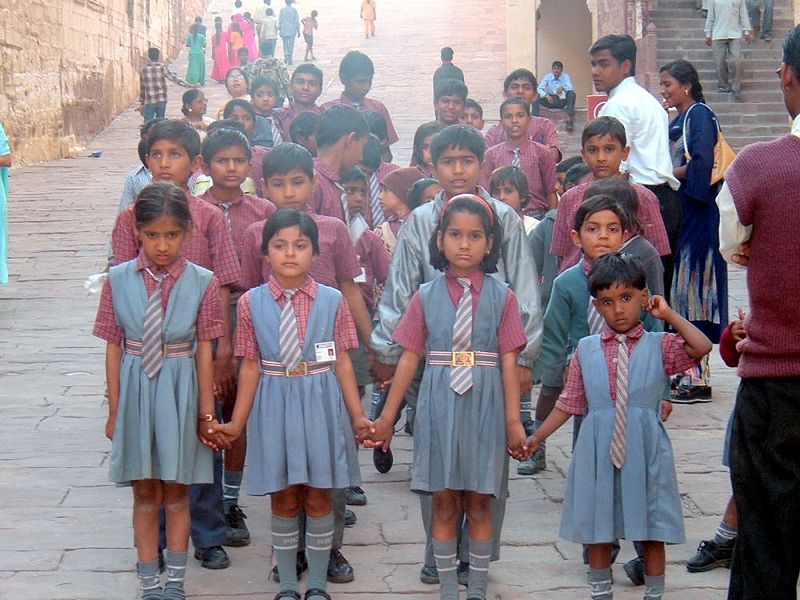
It is to make education available to all the children between the ages of 6 to 14 or in class I – VII. This means the education to all children during Elementary or Primary either by formal education or Informal education.
The Universalisation of elementary education has been the most important goal of Indian since its independence.
By this, the parliament of India has passed the law, by 86th amendment Act 2002 to make elementary education a Fundamental Right for children aged 6-14.
Aim
The programme main objective is to make sure the five years of primary education for all the children and eight years of schooling.
Educational Development in India since 1951
Mass education was never a priority during the British period. The colonial rule transformed an intermediate literate society into a predominantly illiterate society.
Ever since Independence, an educational explosion has taken place in India.
“Today, the number of pupils in India outnumber the total population of England, France, Canada, and Norway taken together.
J.B.G. Tilak
“Every sixth student in the world enrolled at the primary level, every seventh in the secondary level and every eighth in the tertiary level is an Indian”.
Before we launched our Five Year Plans, only about 1.2 percent of GNP was invested in education. But now the public investment increased to about 3.5 percent of GNP.
Though the educational expansion in India is remarkable quantity, quality and equity have become an elusive triangle of the Indian education system.
The greatest failure of the Indian educational system relates to the goal of universalization of elementary education. At the secondary level, vocationalization has not yielded the desired results.
Courses introduced in the vocational stream at the higher secondary level are of nominal nature and they do not really help the students get jobs.
And it is only the upper and the middle classes who get the benefits of the education system. Even after thirty years of independence, in 1978 it was found that “70 percent of the seats in secondary schools and 80 percent of the seats in higher education are taken up by the top 30 percent of income groups”.
There is no reason to believe that the position has changed for the better. There is a mismatch between demand for and supply of manpower and growth in unemployment and a fall in the quality of education.
The Indian education system is marked by inequalities. There are differences in the rates of literacy between rural and urban populations, between men and women, between backward and non-backward castes, between states, and between districts within a state.
One of the basic problems of the educational sector is under-investment. The data relating to the allocation of financial resources during the last fifty years confirms this point.
Only during the First Five Year Plan, priority was given to mass education. Elementary education and adult education programmes received nearly three-fifths of the resources allocated for education. There was a decline in the importance attached to them in subsequent plans.
We should have achieved the goal of universalization of primary education by 1960, that is, within ten years from the commencement of the Constitution. But, we are nowhere near the goal even today.
One of the secrets of the rapid economic development of Japan is the emphasis it laid on primary and vocational education and the allocation of huge financial resources to these sectors.
Child labor is one of the important reasons for not achieving the goal of universalization of primary education. And the majority of the children drop out of school because of this.
The Human Development Index (HDI) is a geometric means of life expectancy, education and per capita income. India ranked 131st in the United Nations HDI in 2020.
The Human Development Index (HDI) is a summary measure of average achievement in key dimensions of human development: a long and healthy life, being knowledgeable and have a decent standard of living. The HDI is the geometric mean of normalized indices for each of the three dimensions.
The economics of Health is similar to the economics of education in many respects. Health expenditures are also invested in people, such as educational expenditures.
Quite often, expenditures on education and health are joint expenditures made in the same person. Improved health lengthens the life expectancy of a person, and this, in turn, raises returns on investment in his education.
Like education, health is consumption as well as investment. Health improves the quality as well as the quantity of labour. Health expenditures contribute to economic growth by reducing mortality and morbidity.
There is a general consensus that health must be provided by the State according to need and not according to the ability to pay. This is called “Communism in health”.
Health Facilities in India By No machine-readable author provided. SwiftRakesh assumed (based on copyright claims). – No machine-readable source provided. Own work assumed (based on copyright claims)., CC BY-SA 3.0, https://commons.wikimedia.org/w/index.php?curid=339860
Health and human development in India
Human Development Index
The Human Development Index (HDI) is a holistic measure of living standards. The human development report (1977) describes human development as follows: “ the process of widening people’s choices and the level of well–being they achieve is at the core of the notion of human development.
But regardless of the level of development, the three essential choices for people are to lead a long and healthy life, to acquire knowledge, and to have access to the resources needed for a decent standard of living”.
People want to have political, economic, and social freedom, opportunities for being creative and productive, and to enjoy self-respect and guaranteed human rights. It is true that income is very important for people. But it is only a means, and human growth is the end. The first Human Development Report was published in 1990 by UNDP under the guidance of Muhabub–Ul–Haq, an eminent economist from Pakistan.
Economic growth will contribute most to poverty reduction when it expands employment, increases productivity and wages of poor people. Public resources must be directed to promoting human growth. Only when economic growth is labour-using and employment-generating, and when skills and health improve rapidly, will economic growth promote economic betterment.
The HDI ranks all countries on a scale of 0 (lowest) to 1 (highest) based on three goals: longevity as measured by life expectancy at birth, knowledge as measured by a weighted average of adult literacy (two–thirds), and mean years of schooling (one – third), and standard of living as measured by purchasing power parity (PPP) of each country’s currency to reflect the cost of living.
Using these three measures, HDI ranks all countries into three groups. Low HDI (00.0 to 0.499), medium HDI (0.50 – 0.799), and high human development (0.80 to 1.0). According to HDR 2004 (based on HDI for 2002), India found a place in the Medium Human Development group. One major advantage of HDI is that it shows that even countries with a low level of income can achieve better development than countries with substantial incomes.
The HDI points out that there are greater disparities in income than in other indicators of development, such as health and education measures. So by development, we mean broad human development, not just higher incomes. Some countries (oil-rich countries), it is said, experienced growth without development.
Gender-Related Development Index
GDI adjusts the HDI to reflect the inequalities between men and women.
The three measures used related to female life expectancy, female adult literacy and gross enrolment ratio, and female per capita income.
Human Poverty Index (HPI)
The 1997 HDI introduced the Human Poverty Index (HPI). It measures deprivation in longevity, knowledge, and a decent living standard. If people are expected to die before the age of 40 if the adult illiteracy rate is high, and if health services are poor, access to safe water is low, and if the percentage of malnourished children under five is high, then HPI will be hig,h and the country can be ranked as poor.
Based on the lines of HDI, HDI for various states of India was constructed. The Planning Commission of India brought out the National Human Development Report(HDR). It provides the statewide as well as All – India Human Development Indices. Some states, like Tamil Nadu have also brought out HDR.
Role: Health and human development
Health plays a vital role in capital formation for the following reasons. Only a physically and mentally sound person can perform to their full potential, which also means giving equal opportunities to persons with physical disabilities. Only a healthy person can do the work effectively, and only a healthy person can contribute to the growth and development of the economy.
A good education for people plays an important role in the overall development of any Economy. The skill, knowledge, confidence, equality, acquired by people through better education, social justice, and health facilities are the way to attain rapid economic growth, which is the ultimate aim of the nation.
Human capital index upsc
How much of a child’s productivity is lost during their working years, and what areas should governments target for improvement? This is answered by the World Bank’s new Human Capital Index Plus.
The Human Capital Index measures how much human capital a child born today can expect to have through their working life, given the risks of poor health, education and employment that prevail in the country they live.
It is measured on a 0-1 Scale, which highlights the income of the children lost in the future because of the poor health and education provided by the country.
The Human Capital Index was launched in 2018, which is used by countries to measure the impact of the factor. There are three mail components used to measure they are:
Survival: Probability of survival to age 5.
2. Education: Expected years of schooling.
3. Health: Healthy growth and survival rate. That is stunting and adult survival rates.
India ranked 116th out of 174 countries having a score of 0.49.
Health and human development help us understand the complexity of how health and education are linked to human development, in turn improving the economic condition of the nation.
HUMAN DEVELOPMENT INDEX (HDI) in the News
The United Nations Development Programme released its annual Human Development Report 2025, which appreciated India for its progress in human development but also warned about rising inequality. The top performers of the report are Iceland (0.972), Norway (0.970), Switzerland (0.970).
Full employment refers to a situation in which all the workers who are capable of working and willing to work get employment at reasonable wages. It does not imply that all adults have jobs.
Meaning of unemployment – Unemployment refers to a situation in which the workers who are capable of working and willing to work do not get employment.
Unemployment Estimates
A person working 8 hours a day for 73 days of the year is regarded as employed on a standard person-year basis. The following are the three estimates of unemployment generated in the 27th round of NSS (National Sample Survey).
Usual Principal Status unemployment: It is measured as the number of persons who remained unemployed for a major part of the year. This measure is more appropriate to those in search of regular employment e.g., educated and skilled persons who may not accept casual work. This is also referred to as ‘open unemployment’.
Weekly Status unemployment: It refers to the number of persons who did not find even an hour of work during the survey week.
Daily Status unemployment: It refers to the number of persons who did not find work on a day or some days during the survey week.
Causes of Unemployment
High Population growth: The galloping increase in the population of our country during the last decade has further aggravated the unemployment problem in the country. Due to the rapidly increasing population of the country, a dangerous situation has arisen in which the magnitude of unemployment goes on increasing during each plan period.
Insufficient Rate of Economic Progress: Although India is a developing country, the rate of growth is inadequate to absorb the entire labor force in the country. The opportunities of employment are not sufficient to absorb the additions in the labor force of the country, which are taking place as a result of the rapidly increasing population in India.
Absence of employment opportunities in activities other than agriculture: As enough other employment opportunities are not available, agriculture is the principal area of employment in our country. Thus, pressure on land is high, as about 2/3 of the labor force is engaged in agriculture. The land is thus overcrowded and a large part of the the workforce is underemployed and suffers from disguised unemployment.
Seasonal Employment: Agriculture in India offers seasonal employment; thus agricultural labor remains idle during the off-season.
Joint Family System: The existence of a joint family system in India promotes disguised unemployment. Usually, the members of a family work on their family farms or do family business. There are more workers on a family farm than what would be needed on them.
Increasing turnout of students from Indian Universities: During the last decade, educated unemployment has increased due to the rapid turnout of graduates by the Indian universities. Moreover, in the Indian educational system, more emphasis is placed on engineering and other technical subjects rather than on Arts subjects. But there is unemployment amongst technical graduates as well. There is a lack of proper vocational education in the country.
Slow Developing of Industries: Industrialization is not rapid in our country and industrial labor finds few job opportunities. The agricultural surplus labor force is not absorbed by the industrial sector. This leads to disguised unemployment in agriculture.
Measures to Solve Unemployment Problem in India A close reading of the Five-Year Plans reveals that in every Five- Years Plan, employment expansion has been emphasized as an objective of development. Despite all the plan pronouncements, the backlog of unemployment has increased. This is because each Plan was not even able to absorb the new entrants in the labor force.
The following measures have been suggested for solving the unemployment problem in our country:
A Change in the pattern of investment The planning process in the initial stages gave importance to an investment allocation pattern with a high capital-labor ratio. Therefore, a shift in the emphasis to mass consumer goods industries would generate more employment to absorb the unemployed labor force.
Moreover, an increase in the supply of such goods may help arrest the rising price level and increase the economic welfare of the people. This is the wage-goods model of development suggested by Vakil and Brahmanand.
Encouragement to small enterprises as against big enterprises The employment objective and the output objective can be achieved if greater investment is directed to small enterprises rather than to large enterprises.
Now that the Government wants to undertake decentralized development with emphasis on small-scale enterprises, it would be desirable to reorient credit, licensing, raw material allocation, and other policies in such a manner that both employment and output are enlarged simultaneously.
The problem of Choice of technique It would be better to switch over to intermediate technologies till the process of industrialization gets such a powerful momentum that the new entrants to the labor force can be absorbed. During the period of rapid growth in the labor force, it would be advisable to adjust the choice of techniques consistent with the employment objective. Intermediate technology would be more suited to Indian conditions.
Encouragement of New Growth Centres in Small Towns and Rural Areas Experience of planning has revealed that the overcrowded metropolitan centers have received a large share of investment. Therefore, the smaller towns should be developed as new growth centers for the future. The establishment of small industrial complexes can increase employment opportunities and provide flexibility to the economy.
Subsidies on the Basis of Employment All schemes of subsidies and incentives to large and small industries have helped output maximization and greater use of capital resources. The pattern of subsidies should be altered. The creation of more employment should be treated as the basis for the grant of subsidies and incentives.
This will shift the entire structure of government support from the large-scale producer to the small-scale producer as this is more consistent with the objective of employment generation and achieving equality and social justice.
Reorientation of Educational Policy One great defect of our educational system is that it leads one to take up the professional degree only. The high degree of unemployment among the educated signifies the urgent need to reorient our education system to greater employment opportunities. The education system should be more diversified. It should have more short-term vocational courses that will cater to the local employment needs.
The development of quality education is a prerequisite for the development of a nation as it is the remedy for all problems including the problem of unemployment in the country. Hence, a high priority needs to be accorded for education in public expenditure.
Underemployment in Rural Areas N.S.S. data have revealed the existence of a high degree of underemployment in India. The total number of underemployed persons available and willing to take up additional work is estimated to be more than two crores. It is necessary to organize the Rural works Programme.
Failure of implementation of Rural Works Programme underlines the relatively low importance given to the rural sector to provide additional employment to millions of landless laborers and small and marginal farmers. Urgent action is needed in this direction so that work opportunities grow in the rural areas. This will raise the level of income and employment in rural areas and reduction in poverty levels.
* * All the Notes in this blog, are referred from Tamil Nadu State Board Books and Samacheer Kalvi Books. Kindly check with the original Tamil Nadu state board books and Ncert Books.