Monsoon rainfall weather and climate in India Tnpsc

Climate of India primarily categorised as Winter during January to february, Pre-Monsoon or Summer during March to May, Southwest monsoon during June to September and Northeast Monsoon during October to December

This post for the Tnpsc exam in geography from the topic ‘Monsoon, rainfall, weather, and climate’. It is referenced from the Samacheer Kalvi book.

It covers Monsoon winds in India such as Southwest monsoon, north-west monsoon, the direction of retreating monsoon in India, and weather and climate.

Weather and Climate in India

The word Monsoon is derived from the word Mausim, an Arabic word. It is used by Arabic navigators to describe the seasons of the shores of the Indian Ocean. The winds blow from southwest to northeast during summer. Similarly, the wind blows from northeast to southwest during winter. Different concepts by Meteorologists surrounding this complex phenomenon.

By Dynamic concept, Monsoon wind originates due to seasonal migration of planetary winds and pressure belts following the position of the sun. During summer solstice ‘June 21’, the sun rays fall vertically over the tropic of cancer.

Thereby all the pressure and wind belts of the globe shift northwards. At this time, Inter-Tropical Convergence Zone (ITCZ) also moves northwards and a major part of the Indian landmass comes under the influence of southeast trade winds.

While crossing the equator this wind gets deflected and takes the direction of south-west and becomes south-west monsoon. During winter, the pressure and wind belts shift southward, thereby establishing the northeast monsoon(trade winds) over this region. This phenomenon of systematic change in the direction of the planetary winds is known as the monsoon.

Types of monsoon in India or Seasons of India

According to the experts, there are four main Monsoon seasons in India namely:

  1. Winter or Cold weather season (January – February)
  2. Pre-Monsoon or summer or hot weather season (March-May)
  3. Southwest Monsoon or rainy season (June – September)
  4. Northeast monsoon season (October – December)

Winter or cold-weather season or Winter Season in India

During this season, Sun’s vertical rays fall over the tropic of Capricorns which is far away from India. As a result, India receives slanting sun rays that result in low temperatures.The cold season is characterized by clear skies, fine weather, low humidity, light northerly winds, and large daytime variations of temperature.

High pressure develops in North India and a north-westerly wind blows down the Indus and Ganges valleys.In South India, the general direction of the wind is from east to west.The mean temperature increases from North to south, the decrease is sharp as moving towards northwards in the north-western part of the country.

The minimum temperature in the south is 22 degrees Celsius and 10 degrees Celsius in the Northern plains, 6 degrees Celsius in Punjab.The rain generally falls in the Western Himalayas, Tamil Nadu, and Kerala in this season.

Western disturbances and associated troughs in the west are the main precipitation systems in the northern part of the country.The jet stream plays a dominant role in bringing these disturbances in India. These disturbances cause rain precipitation in Himachal Pradesh Punjab, Haryana and snowfall in the hills of Jammu and Kashmir. This rainfall is used for the cultivation of Winter Wheat.

Pre Monsoon or hot weather season (March-May) or Summer Season in India

In this season the vertical rays of the sun fall over peninsular India and there is a steady increase in temperature from South to North.It is almost hot and dry in most of the country in the initial part of the season.

The weather over the land areas of the country is influenced by thunderstorms associated with rain and sometimes with hail mostly in the middle and later part. During this season, the temperature increases in all parts of the country, and in April the interior part of the southern part of India, the temperature daily mean will be 30 to 35 degrees Celsius.

In the central part of India, the mean temperature would reach up to 40 degrees in most parts. Some parts of India, such as Gujarat, North Maharashtra, Rajasthan, and North Madhya Pradesh experience high day temperatures and low night temperatures.

Because of the atmospheric pressure, the wind blows from the southwest to the northeast direction in the Arabian Sea and Bay of Bengal. This brings pre-monsoon showers to the west coast during May month called summer monsoon in India.

There are showers also called ‘Mango Showers that helps in the quick ripening of mangoes along the Kerala and Karnataka coast. Northwesters or Kalbaisakhis are local severe storms associated with strong thunderstorms, winds, and short-duration rains.

Kalbaisakhis occurs over the eastern and northeastern parts of Bihar, West Bengal, and Assam during April and May and approaches from the Northwesterly directions.

Southwest Monsoon Or Rainy Season
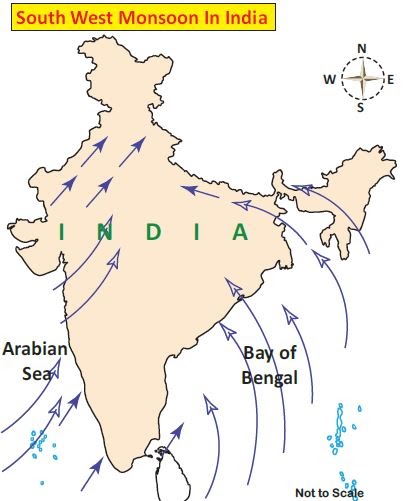
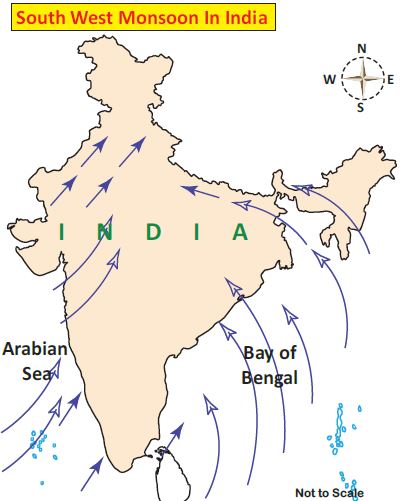
direction of south west monsoon in india
Direction of the southwest monsoon over India

South west monsoon in India

The southwest monsoon is the most important feature of the Indian climate. It takes place in the Southern Tip of India Peninsula normally by the first week of June. South-West monsoon advances along the Konkan coast during starting of June and it covers the whole country by July 15.

The global phenomenon El Nino influences the South West Monsoon. In North India, the temperature reaches almost 46-degree Celsius before the southwest monsoon or rainy season. There occurs a “Burst of Monsoon”, which is termed as Break, which is a sudden approach of monsoon wind over southern India with Thunder Showers. This show reduces the temperature of the country.

South West Monsoon Winds

The monsoon wind that is the southern tip of India’s landmass gets separated into two branches. One branch starts from the Arabian Sea and Another Branch starts from the Bay of Bengal. The one from the Arabian sea provides heavy showers to the west coast of India and is located on the west ghats windward side.

The other part towards the north hits the Himalayan Mountains and brings heavy rainfall in the North. Rajasthan and western parts get rain from these winds as the direction of the wind is parallel to the Aravali mountains and there is nothing to hold or intrude the wind.

Direction of South West monsoon in India

The Bay of Bengal wind moves to northeast India, Myanmar and this wind is trapped by mountain groups such as Khasi, Garo, and Jaintia. This results in the heaviest rainfall in the world, that is Mawsynram located in Meghalaya. Then it moves to the west, which results in a rainfall decrease from east to west.

The southwest monsoon winds in India are responsible for 75% of the Indian rainfall. Tamil Nadu that is located on the leeward side receives less rainfall from this wind.

Post Monsoon or Retreating or Northeast Monsoon in India
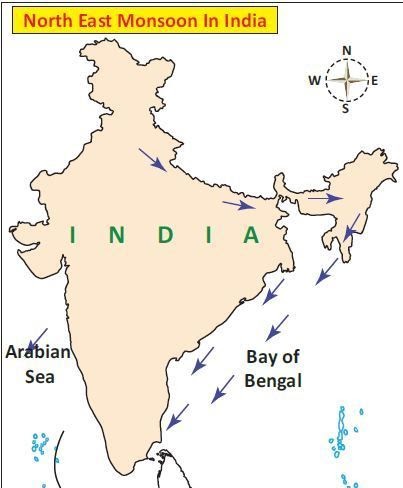
north east monsoon winds
North East Monsoon in India

The southwest monsoon starts in North India by the end of the second half of September because of the southward shifting of pressure belts. This wind gets backs from the Indian peninsula and blows towards the Bay of Bengal.

The Coriolis forces deflect this wind and make this wind blow from the Northeast and it is known as North-East Monsoon or Post Monsoon season. The Northeast Monsoon in India is connected with the formation of the North-Easterly wind system over the Indian subcontinent.

From this season, the states such as Tamil Nadu, Andhra Pradesh, Kerala, and south interior Karnataka get good rainfall that almost 35% of its annual rainfall. The Retreating monsoon creates a large-scale loss of life during the storms that occur frequently in Tamil Nadu, Andra Pradesh, and some parts of Karnataka.

During these seasons, strong winds and storms hit the coastal regions, and the daytime temperature falls rapidly all over the country. The average temperature over North-west India shows a decreasing trend from 38 and falling to 28-degree celsius in November.

Distribution of Rainfall

About 118 cm is the average rainfall of India. The spatial distribution of the rainfall in the country is uneven. About 11% area receives over 200 cm,21% area receives 125 to 200 cm, 37 % area receives 75 to 125, 24 % area gets 35 to 75 cm and 7% area gets less than 35 cm of rainfall annually.

Rajasthan, Punjab, Haryana, west and south-west Uttar Pradesh, Western Madhya Pradesh, and the entire Deccan Trap or Plateau region east of Western Ghats except for a narrow strip along Tamil Nadu coast receive less than 100 cm rainfall annually.

The rest of the country receives 100 to 200 cm of rainfall.

Areas of High Rainfall

The west coast has the highest rainfall. The western Ghats, Himalayan areas in the northeast, and hills of Meghalaya. In these areas, the rainfall exceeds 200 cm. In parts of Khasi and Jaintia Hills, the rainfall exceeds 1000 cm. But in the Brahmaputra valley and its adjoining hills receives less than 200 cm.

Areas of Medium Rainfall

The southern parts of Gujarat, east Tamil Nadu, Northeastern Peninsula covering Odisha, Jharkhand, Bihar, eastern Madhya Pradesh, Northern Ganga Plain along the sub-Himalayas and Cachar valley and Manipur receives rainfall between 100-200 cm.

Area of Low Rainfall

Western Uttar Pradesh, Delhi, Haryana, Punjab, Jammu and Kashmir, eastern Rajasthan, Gujarat, and Deccan Plateau receives rainfall around 50-100 cm.

Areas of Inadequate Rainfall

Some parts of the Peninsula, especially in Andra Pradesh, Karnataka and Maharashtra, Ladakh, and most of western Rajasthan receive less than 50cm of rainfall.

Snowfall occurs only in Himalayan regions.

Conclusion

This article takes about the Monsoon and four primary seasons of the country concerning the precipitation and temperature change as drafted by the India Meteorological Department. Also provided with data of the distribution of rainfall in the Indian subcontinent.

Download

1.Climate of India UPSC PDF (Ncert)

2.Monsoon rainfall weather and climate tnpsc pdf

3.Pre monsoon season and post monsoon season in India pdf (Ncert)
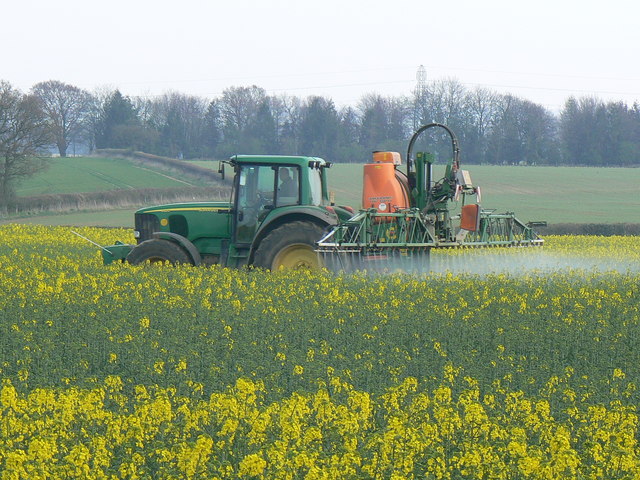
Agricultural pattern and cropping seasons in India Tnpsc

The agricultural pattern in India or cropping seasons in India refers to three different agricultural seasons, namely Kharif, Rabi, and Zaid. The Kharif season is started by the Southwest Monsoon, which helps produce tropical crops such as rice, cotton, bajra, jowar, etc.

Similarly, the Rabi season starts in October. The agriculture and allied sectors include dairy, sheep, goat, poultry, piggery, fisheries, horticulture, sericulture, etc.

India has three cropping Seasons namely:

  • Rabi
  • Kharif
  • Zaid

Cropping seasons in India

Rabi

The Rabi season is one of the main cropping seasons in India, corresponding to the winter months. It follows the Kharif season and precedes the Zaid season. The Rabi season typically spans from October to March, and crops cultivated during this period are known as Rabi crops. Here are some key features of the Rabi season:

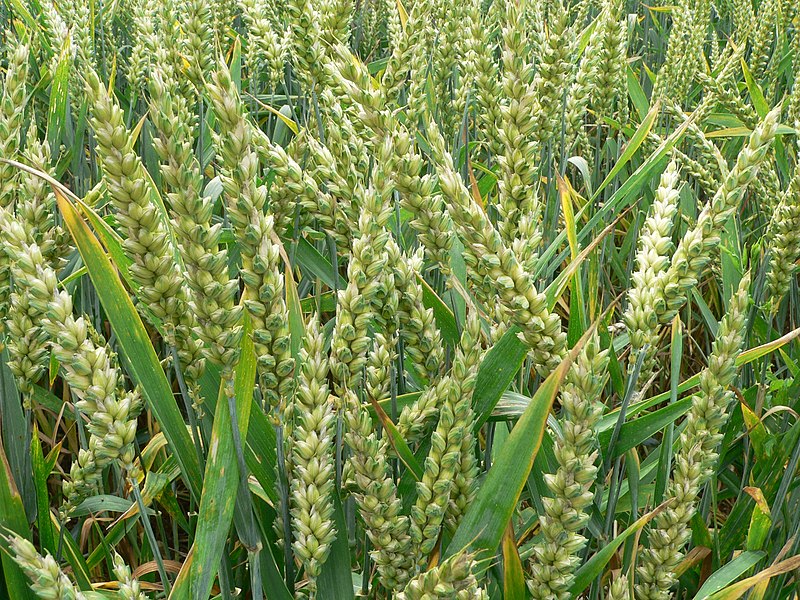
Rabi crop in India includes wheat, barley etc
Rabi crops or rabi harvest, also known as winter crops, are crops that are sown in winter and harvested in the spring in India, Pakistan, and Bangladesh.

Timing: The Rabi season starts with the onset of winter and continues until early spring. It is characterized by relatively cool temperatures, making it suitable for the cultivation of certain crops.

Crops: Rabi crops are predominantly winter crops that include cereals, pulses, and oilseeds. Some of the major Rabi crops include wheat, barley, mustard, gram (chickpea), linseed, and various fruits and vegetables such as carrots, peas, and tomatoes.

Water Availability: Rabi crops are often grown in areas where irrigation facilities are available. In regions with dependable water sources, farmers can cultivate Rabi crops even in the absence of significant rainfall.

Crop Rotation: The Rabi season is an important period for crop rotation and diversification. It allows farmers to vary the types of crops they cultivate, helping in soil fertility management and pest control.

Geographic Distribution: Rabi crops are cultivated in different parts of India, with their distribution influenced by climatic conditions and water availability. Wheat, for example, is a major Rabi crop in states like Punjab, Haryana, and Uttar Pradesh.

Importance: Rabi crops contribute significantly to India’s food grain production. Wheat, in particular, is a staple food for a large portion of the population. The cultivation of pulses and oilseeds during the Rabi season helps meet the demand for protein and cooking oil.

Government Initiatives: Various government policies and initiatives are implemented to support Rabi crop cultivation, including providing subsidies, credit facilities, and promoting better agricultural practices.

Harvesting Time: Harvesting of Rabi crops usually occurs in late winter or early spring, depending on the specific crop. The harvested crops are important for both domestic consumption and as a source of income for farmers.

The Rabi season is a crucial component of India’s agricultural calendar, contributing significantly to the country’s overall food production and economic well-being. It complements the Kharif season by providing a diverse range of crops and maintaining a continuous agricultural cycle throughout the year.

Kharif

The Kharif season is one of the two main cropping seasons in India, the other being Rabi. Kharif crops are sown in the monsoon season and harvested in the autumn. The Kharif season typically starts with the onset of the southwest monsoon, which generally occurs from June to September. Here are some key features of the Kharif season:

Kharif crop in India includes rice, cotton , sugarcane
Kharif crops, also known as monsoon crops or autumn crops, are domesticated plants that are cultivated and harvested in India, Pakistan and Bangladesh during the Indian subcontinent’s monsoon season.

Timing: The Kharif season corresponds to the monsoon period in India, starting with the arrival of the southwest monsoon winds around June and extending until September. The exact timing varies across different regions of the country.

Crops: Kharif crops are predominantly summer crops, and they include a variety of cereals, pulses, oilseeds, and cash crops. Some major Kharif crops include rice, maize, millets (jowar, bajra), pulses (moong, urad), oilseeds (soybeans, groundnuts), cotton, sugarcane, and various fruits and vegetables.

Rainfall Dependence: Kharif crops are heavily dependent on adequate rainfall, as the monsoon provides the primary source of water for cultivation during this season. Regions with good monsoon rains are more suitable for Kharif crop cultivation.

Geographic Distribution: Kharif crops are cultivated across different agro-climatic zones in India. Rice, for example, is a major Kharif crop in states like West Bengal, Odisha, and Andhra Pradesh, where conditions are conducive to its growth.

Importance: Kharif crops play a vital role in India’s food security and agricultural economy. They contribute significantly to the country’s overall food grain production and provide livelihoods to a large number of farmers.

Crop Diversity: The Kharif season allows for the cultivation of a diverse range of crops, reflecting the varied agro-climatic conditions in different parts of the country. The choice of crops depends on factors such as soil type, water availability, and local climate.

Sowing Period: Sowing of Kharif crops typically begins with the onset of the monsoon, and the timing varies based on the specific crop and regional conditions. For example, rice is often sown early in the Kharif season.

Harvesting Time: Harvesting of Kharif crops usually occurs in the autumn months, depending on the specific crop. The timing of harvesting is crucial to ensure optimal yield and quality of the produce.

The success of Kharif crops is closely linked to the monsoon rains, and variations in rainfall patterns can impact agricultural productivity. Government policies and initiatives, such as providing irrigation facilities, crop insurance, and subsidies, aim to support farmers during the Kharif season and enhance overall agricultural resilience.

Zaid Season

Zaid is a term used in Indian agriculture to describe a short-duration cropping season that typically occurs during the summer months, from March to June. This season falls between the Rabi (winter) and Kharif (monsoon) seasons. The Zaid crops are generally grown in regions where there is adequate water availability for summer cultivation, often with the help of irrigation.

Zaid season
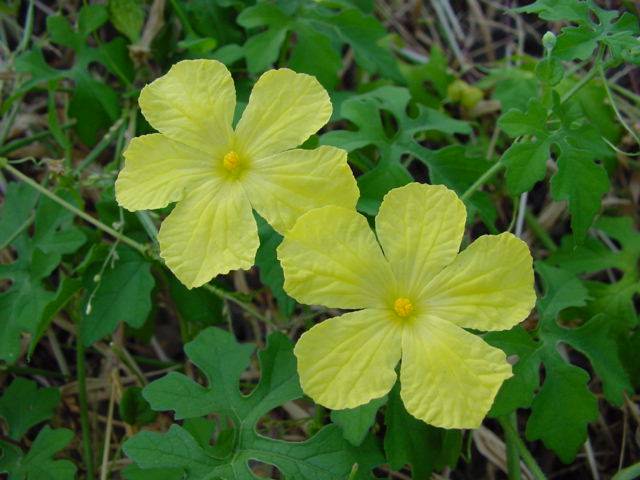
Bitter Gourd flower, the bitter Gourd is cultivated and Harvested in Zaid season

Key features of the Zaid season include:

Timing: Zaid crops are planted during the summer months when temperatures are relatively high. The season begins after the Rabi crops have been harvested.

Crops: Zaid crops primarily consist of quick-growing and short-duration crops, especially vegetables. Common Zaid crops include cucumber, watermelon, muskmelon, pumpkin, bitter gourd, and other vegetables. Some fodder crops may also be cultivated during this season.

Water Management: Irrigation plays a crucial role in Zaid farming because the summer months in India are often characterized by high temperatures and lower rainfall. Farmers rely on irrigation systems, including wells, tube wells, and canals, to provide the necessary water for crop growth.

Geographic Distribution: Zaid crops are grown in regions where the climate and water availability are suitable for summer cultivation. These areas may include parts of North India, Western India, and other regions with access to water sources.

Crop Rotation: Zaid crops are often part of a crop rotation strategy, allowing farmers to make the most of the available growing seasons and diversify their agricultural activities.

Importance: Zaid crops contribute to the overall agricultural productivity and income of farmers. They provide an opportunity for additional income during the summer months when certain crops can be cultivated successfully.

While Zaid crops are not as predominant as Kharif and Rabi crops in terms of overall agricultural production, they play a vital role in the agricultural calendar by allowing farmers to make productive use of the summer season. Additionally, the cultivation of Zaid crops can help meet the demand for specific vegetables and fruits during this period.

Agriculture

Agriculture is a method of production of food, fodder, cash crops such as Fiber, and raising plants and animals (Livestock). Agriculture employs more than 50% of the national population directly or indirectly.

Agriculture provides 25% of the national income.

Factors Influencing Agriculture

Relief, Climate, and Soil, Institutional factors such as the size of farms, land tenure, and land reforms, Technological factors such as HYV (High Yielding a Variety of seeds), artificial or chemical insecticides, pesticides, and fertilizers and Infrastructure factors such as Irrigation, credit, market insurance, storage facilities, Power, and Transport.

References

  • https://ncert.nic.in/ncerts/l/jess104.pdf

Downloads

1. Agricultural pattern in india Pdf

* * All the Notes in this blog, are referred from Tamil Nadu State Board Books and Samacheer Kalvi Books. Kindly check with the original Tamil Nadu state board books and Ncert Books.